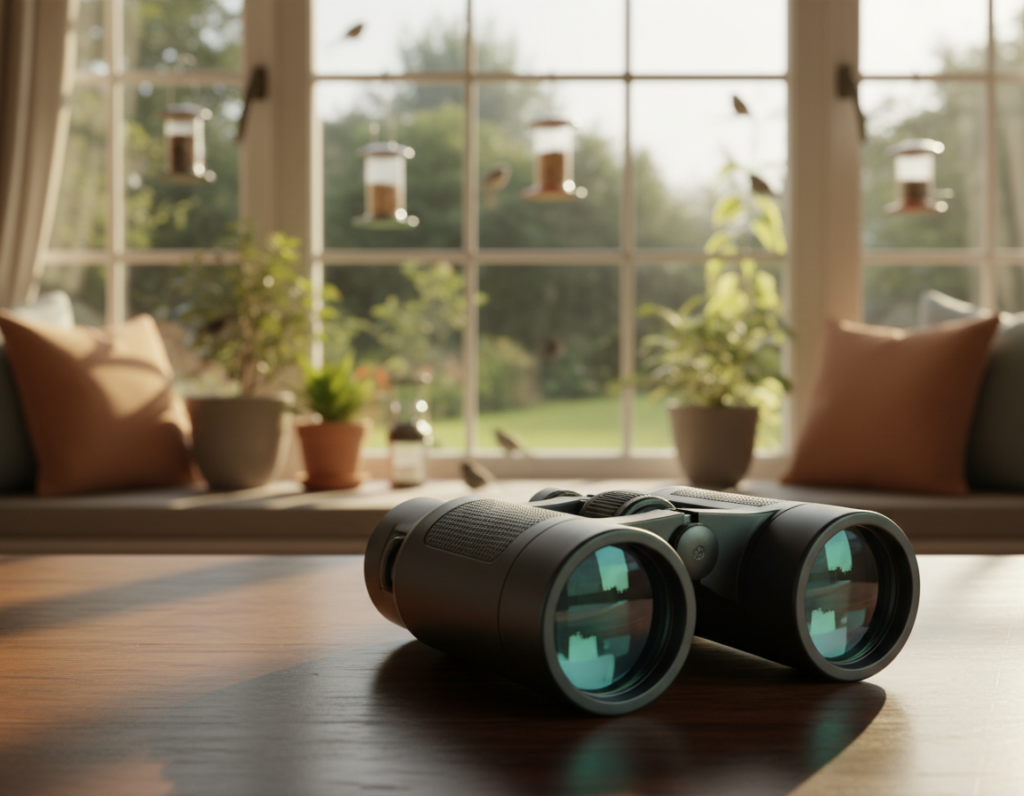
Good optics matter. A solid pair of binoculars will cost a few hundred dollars, and many enthusiasts began with an 8x pair before upgrading to professional models like Nikon Monarch or Swarovski.
Spending everything on top-tier glass left some observers unable to travel. They then limited their sightings to a single day in the garden and missed chance encounters elsewhere.
Carrying heavy gear all day caused fatigue, so it proved important to balance weight with optical performance. Proper preparation helped ensure each bird was identified correctly and reduced the frustration of missed sightings.
The first step was knowing gear limits. Once they understood those limits, observers improved their skills and enjoyed more reliable results across diverse urban environments in the United States.
Common Urban Birdwatching Equipment Mistakes to Avoid
Selecting the wrong optics can turn a promising morning into lost sightings. Good glass matters, but a narrow field of view makes it easy to lose a bird before it can be ID’d. Nikon Monarch and Swarovski are reliable choices for wider views and lasting clarity.
Binocular Selection Pitfalls
Choose binoculars with a wide field to follow fast-moving species. Compact lenses are handy, but they may cut peripheral vision and cost time when tracking behavior.
The Importance of Proper Straps
Standard straps often wear first and cause neck strain. A harness protects optics from drops and rocky surfaces, and keeps binoculars ready at eye level instead of low on the tummy.
Lens Care and Maintenance
Keeping lenses clean helps observations, but excessive scrubbing removes coatings. Use a blower, soft brush, and approved cloths. Follow expert tips so gear stays in the field, not the car.
- Quick tip: Wear binoculars confidently—local people often see them as a sign that nature is worth protecting.
- Remember: binoculars are tools for viewing birds, not just things to show off in conversation.
Essential Field Gear and Maintenance Practices
A compact checklist kept the day productive and reduced lost observing time at sites like Lake Balmorhea, Texas. Simple steps prevented long delays when keys were locked in a car and saved valuable hours for finding new species.
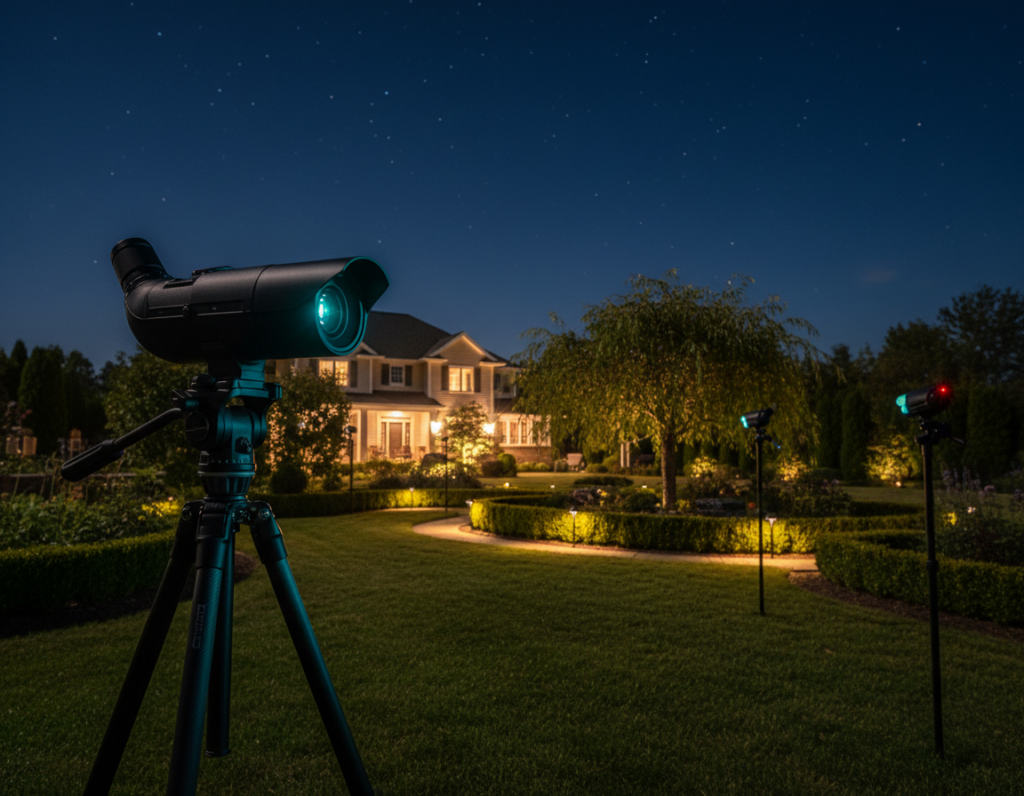
Always check the roof and the trunk before driving off. Forgetting a camera or leaving a scope on top of the car ruined more than one day’s outing.
Carry a paper map for areas with weak cell service. A map is a reliable way to navigate when GPS fails and ensures the search for birds continues without panic.
“Keeping a backup battery and an extra memory card in a pocket means photos are ready at all times.”
- Lock tripod legs before moving to avoid a toppled scope on rocks.
- Pack spare memory cards and batteries so a rare bird sighting is not wasted.
- Bring a few sheets of toilet paper and fine tent mesh for buggy camps like Flamingo Campground in Everglades National Park.
These small habits cut downtime and improved birding results. They form a practical guide that helps observers spend less time fixing things and more time watching birds.
Improving Observation Techniques and Etiquette
Good communication about bearings and landmarks turns a fleeting sighting into a shared view. Clear, short directions save time and help others find a bird before it moves.
Mastering Bird Directions
Use landmarks, clock-face cues, and simple compass terms. For example: “right of the third oak, 2 o’clock, thirty yards.”
Practice this with friends so everyone learns the same way to call locations.
Handling Identification Errors
Being wrong about a species happens often, even to experts like Kenn Kaufman. Treat errors as chances to build knowledge.
- Speak up if unsure; someone else may steady your view through binoculars.
- Stay on trails and keep phones away during group walks to focus on behavior and photos.
- Use a comprehensive guide that covers 821 North American species to reduce repeated ID problems.
“Pointing out a bird, even without a name, invites learning and keeps the field welcoming.”
Conclusion: Mastering Your Birding Workflow
Master reliable habits, and simple routines will improve results quickly.
Small habits—clean optics, simple maps, and clear calls—raised the overall quality of each trip. They reduced downtime and helped observers notice subtle behavior in birds.
Keep binoculars clean and gear organized. Build knowledge by sharing tips with friends and reviewing field notes after outings. This steady practice made identification easier for all.
In short, focus on reliable tools, good etiquette, and learning together. Birders who did this connected more with nature, saw more species, and enjoyed watching bird life with companions.