Watching birds at home has become a quiet passion for many residents in recent years. They report that short, regular sessions at a balcony window bring calm and a clearer sense of place. The Bird City Network notes that even a small balcony can act as a vital patch of habitat.
By keeping simple notes, a person learns how visitors adapt to a building and a specific floor. Setting up feeders and a single feeder tray often reveals daily patterns. This turns a residence into a small study space.
Consistent observation over months and years helps people spot shifts in migration timing and in which species stop by. Learning the rules that govern balconies and feeders keeps this hobby safe for neighbors and for birds. Over time, those records can add to local conservation work.
Understanding Urban Bird Behavior From Apartment Windows
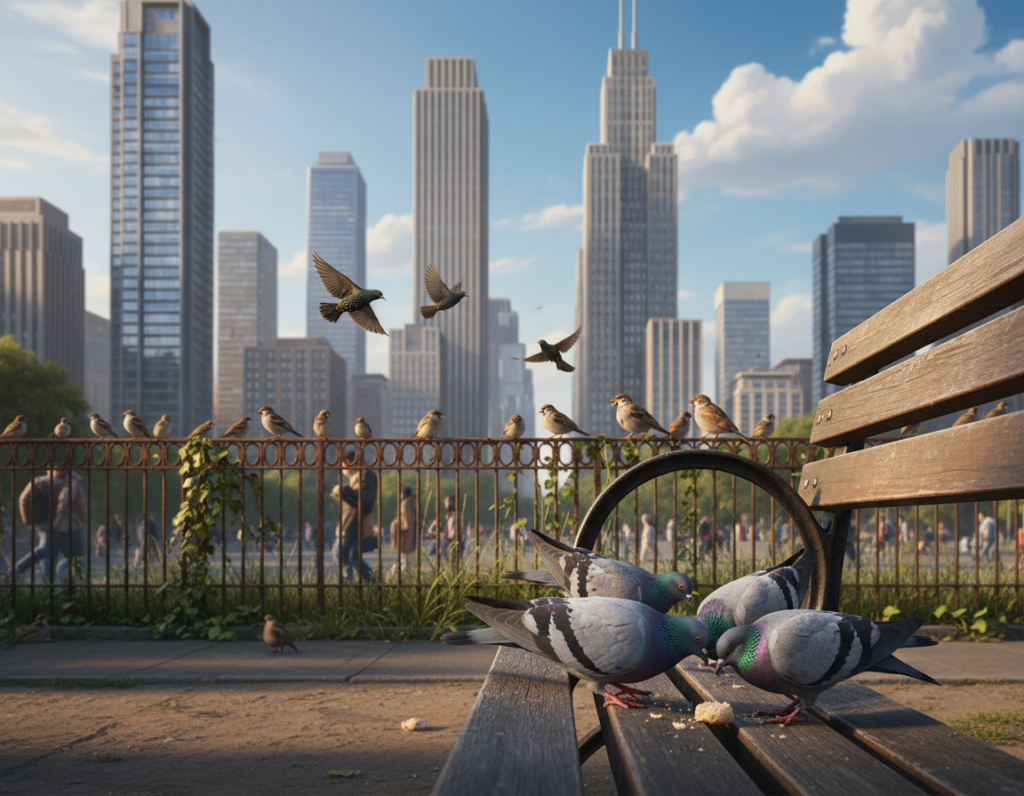
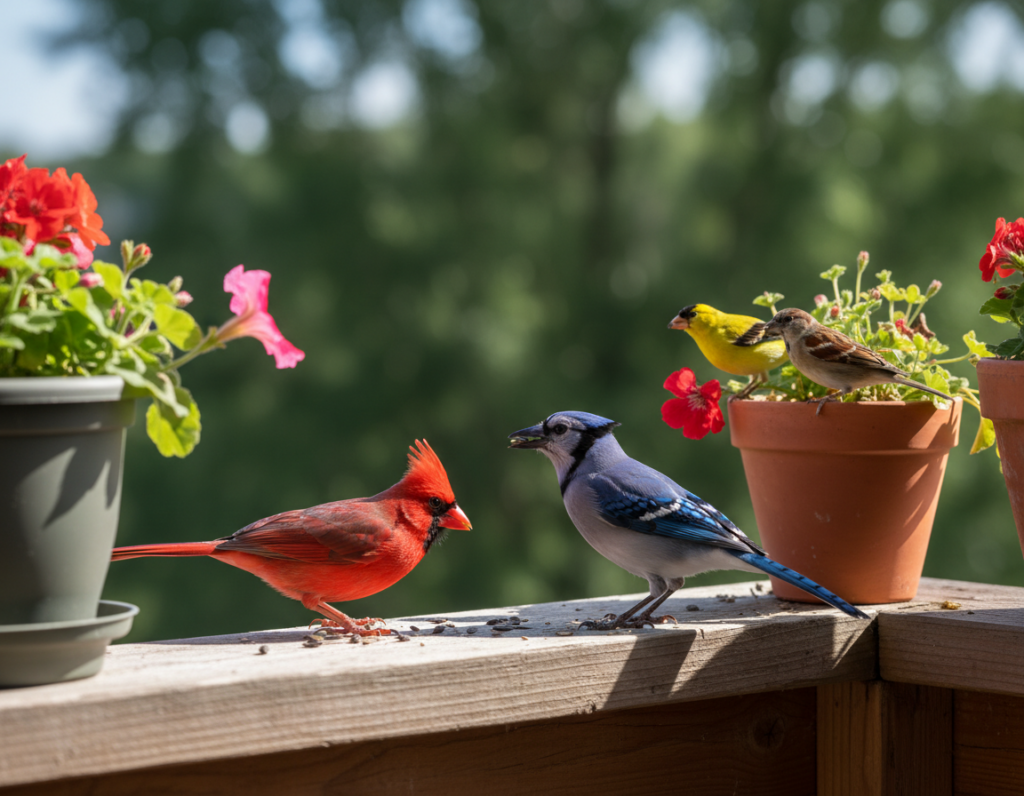
Regular attention at a balcony ledge reveals how local species use buildings as rest stops. The Bird City Network stresses that cities hold notable diversity. Residents often spot sparrows, finches, and pigeons visiting feeders and small water basins on ledges.
Many people find comfort in short, daily sessions of observation. These moments show how wild birds use ledges, eaves, and railings as safe places to rest and nest.
Providing a clean basin of water and a single feeder can change a balcony into a vital place. Over weeks, observers learn seasonal shifts in arrival times and the daily life of local species.
“Treating a balcony as habitat helps residents see their building differently and supports local wildlife.”
- Places matter: simple feeders and water attract more visits.
- Buildings as cliffs: ledges offer nesting safety from ground predators.
- Collective data: notes made by many people help scientists track change.
To learn more practical tips, consult this apartment birding guide for simple steps to support life on balconies.
Preparing Your Balcony or Window for Wildlife
A safe, tidy balcony makes it easier to welcome local wildlife while limiting conflicts with neighbors. Start by treating glass with anti-collision decals to cut fatal window collisions during migration. Researchers estimate that untreated building windows cause massive losses each year, so this is a simple, high-impact step.
Designing for Safety
Choose feeders and placements that reduce hazards. Suction-cup feeders near the glass can work well, keeping birds close without putting them at risk.
Use hulled sunflower seeds or hulled sunflower products to limit seed mess. That reduces falling debris and helps prevent rodent issues that often trigger building complaints.
Respecting Neighbors and Building Rules
Many buildings restrict feeders because of droppings, seed mess, and collision concerns. Always check rules before installing feeders or a container garden.
- Keep the balcony clean: sweep seed and droppings regularly to address concerns early.
- Container gardens: group plants that provide natural food and cover to make the place inviting without violating rules.
- Professional options: non-harmful control like netting or pins can manage activity near vents and AC units.
“Balancing a passion for birding with practical building rules creates safer, more stable places for wildlife and people.”
For practical setup steps and rule-friendly tips, see this apartment birding guide.
Essential Tools for Apartment Birding
A few well-chosen items can transform a high-rise view into a productive observation post. Good gear helps observers record visits, reduce mess, and keep birds healthy.
Selecting Binoculars and Digital Apps
Binoculars: Midsize 8×42 models work well for most observers. They balance weight, brightness, and field of view, which helps in low light.
Identification and logging: Digital apps such as Merlin Bird ID and a logbook app turn sightings into useful data. The Cornell Lab of Ornithology guides also help recognize sparrows and finches.
“Using a simple log and reliable optics makes it possible to contribute real records to science.”
- Feeders: Window-mounted feeders can attract birds even at great heights — Emily Voigt proved this at 25 stories.
- Seed choice: Use hulled sunflower seeds or hulled sunflower products to limit seed mess and attract house finches and other species.
- Hygiene and control: Clean feeders regularly to reduce disease and keep a tidy post on the balcony.
Simple tools and steady recording let residents convert a single window into a small research station. Over time, these notes reveal daily changes and seasonal arrivals.
Creating a Bird-Friendly Container Garden
A small group of pots and a shallow saucer can turn a ledge into a reliable stopover for visiting birds.
Julie Zickefoose recommends that container gardens work on any floor. Using native plants delivers insects, nectar, and seed that local species prefer.
Group containers to create food and cover. Clusters mimic natural places and reduce stress for visitors. Even empty pots or tiered planters sometimes serve as nesting spots for wrens and other small species.
- Include a shallow water dish to help birds, especially on hot days.
- Choose native plants to supply food across seasons.
- Use feeders sparingly and clean containers often for proper control.
“A well-maintained container garden can make a balcony window a vibrant, year-round stop for local wildlife.”
With modest care—regular cleaning, the right plants, and a steady water source—this container garden complements any birding setup and supports local life.
Identifying Daily Rhythms and Seasonal Patterns
Daily logs reveal predictable activity peaks that help observers plan short, productive watching sessions. Recording the time and species each visit arrives makes patterns clear over weeks.
Morning and Evening Activity Peaks
The National Park Service notes that early mornings and late afternoons bring the most activity because cool air helps songs carry.
Short watches at dawn and dusk often show the highest traffic at feeders and water dishes. These periods are ideal for spotting finches, sparrows, and house finches.
Tracking Migration Cycles
Seasonal changes, especially spring and fall, bring new visitors to trees near a building.
Keeping a dated list helps track which species arrive or depart. Over years, that list can reveal shifts tied to climate or local changes in plants and food.
Observing Nesting Habits
Watching nesting offers a close look at life cycles. House finches and sparrows commonly nest in sheltered spots like ledges or air-conditioning units on balconies.
Note droppings and activity near a nest to confirm regular use, and keep feeders clean to reduce disease risks.
- Predict peak times: plan short sessions at dawn and dusk.
- Log dates: build a multi-year migration record.
- Provide cover: a container garden with native plants can support nesting.
“Early mornings and late afternoons are prime times for bird activity.”
Managing Potential Nuisances and Building Rules
Simple, consistent steps can stop droppings and seed mess before they harm property. Tenants should act early when pests or nesting appear. Acidic droppings may corrode metal and harm the building if left unchecked.
If birds nest in AC units or drains, professional control can prevent damage. Companies such as Fujinaga note that sheltered spots like air conditioning housings attract nesting. The BF3 bird net and similar products often include multi-year guarantees for lasting protection.
Respect building rules about feeders and feeding. Lease clauses exist to protect shared spaces, structural integrity, and neighbor relations.
- Keep the balcony clean: remove seed and droppings promptly.
- Manage feeders: place feeders responsibly to limit congregation of pigeons and sparrows.
- Use humane control: nets, pins, and professional services reduce long-term concerns.
“Protecting your home from bird damage is part of responsible birding.”
With clear rules, prompt cleaning, and appropriate control, residents can enjoy the presence of wild birds while preserving life and value in their building.
Contributing to Citizen Science Through Observation
Logging short, regular sightings turns casual viewing into useful scientific records. Platforms like eBird collect millions of checklists and make it simple to submit observations taken at a window or balcony.
Historical field notes kept by people watching from their homes have even preserved last records of species now lost in the United States. That legacy shows how small efforts add up over years.
Citizen science relies on steady submissions. By recording the birds you see, the time you observe, and the feeders or plants you use, an observer helps researchers map changes in a city and in specific buildings.
- Turn daily checks into data: short checklists on eBird or similar platforms are valuable.
- Consistency matters: notes kept across months and years fill urban gaps in research.
- Follow simple rules: submit accurate effort details so your records are usable by scientists.
“Even a few common species logged regularly provide clues about local population health.”
Conclusion
Regular minutes of observation can convert a home view into a contribution to science. Short, steady watches let residents notice subtle shifts in timing and visits. This makes a room or balcony a front-row seat for local wildlife.
By managing feeders and the window area responsibly, a person creates a safer, more welcoming habitat. Clean feeders and thoughtful placement reduce mess and conflicts while supporting the animals that stop by.
Consistent records over months and years reveal real change in life around the building. Such simple practice enriches daily life and connects observers to a wider community of birding and conservation efforts.