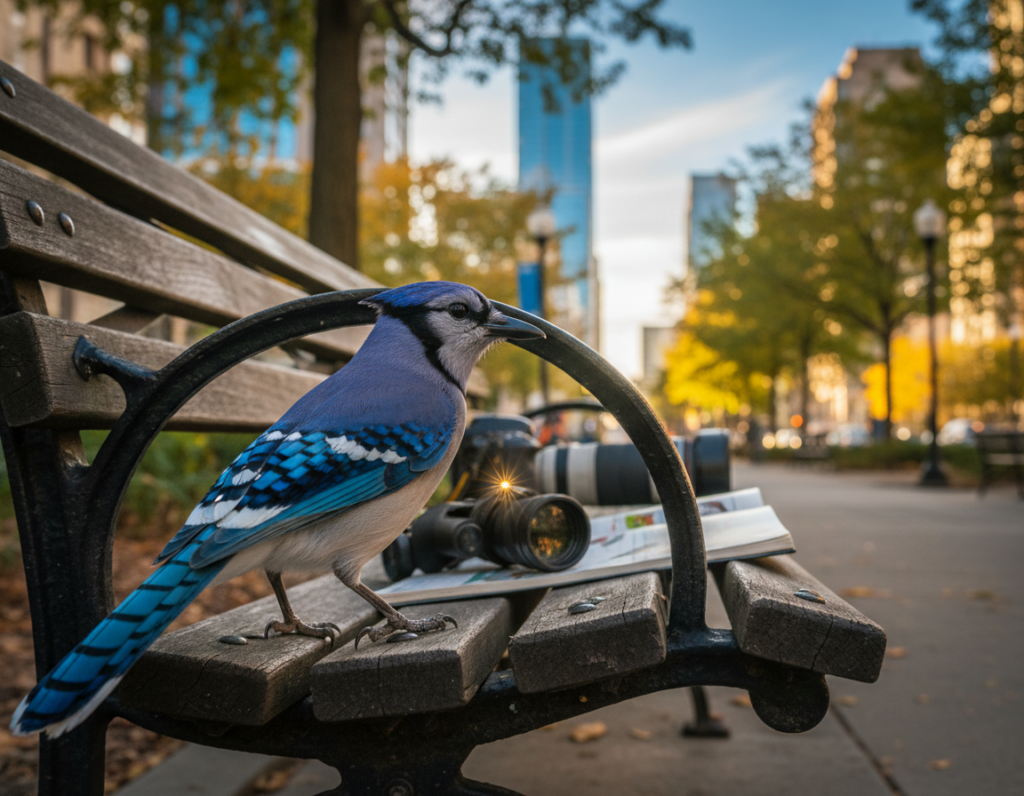
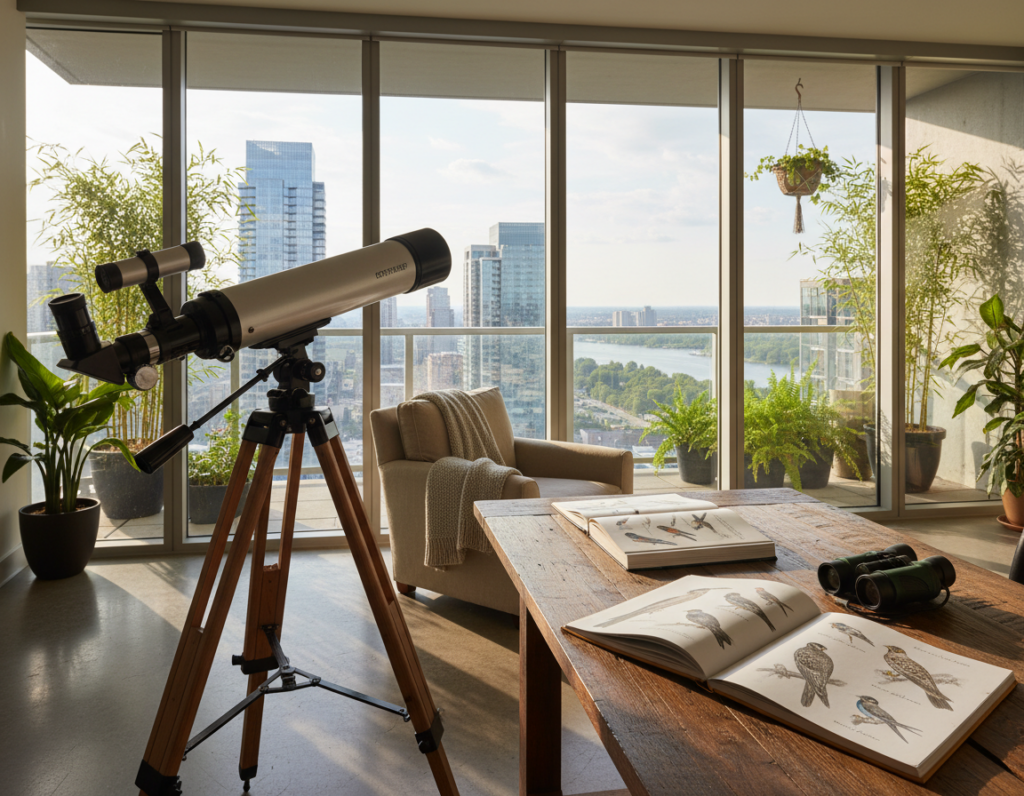
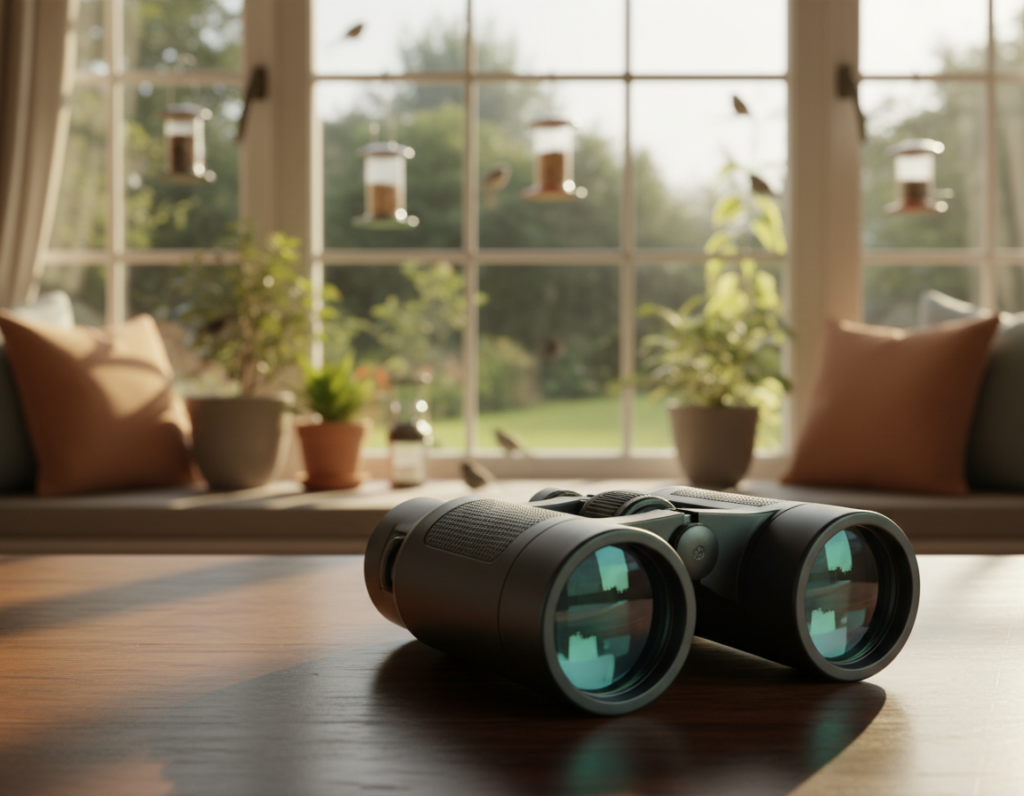
Capturing clear images of birds through a window starts with simple gear and smart technique. A compact lens and steady hands help. Light management is key when shooting through double-paned glass.
Every experienced photographer knows that the correct shutter speed and quick focus boost success. Using the right mode and a crisp shutter button technique makes tracking birds flight easier. Small tweaks to aperture and exposure reduce reflections and freeze action.
From beginner to veteran, anyone can learn practical ways to improve their shots at home. Learning how cameras handle light turns a plain window into an effective observation point. With clear focus and steady timing, a fleeting flight can become a sharp photo.
This article lays out simple steps to master camera settings, autofocus, and shutter speed so each shot captures the subject with clarity and impact.
Understanding the Challenges of Indoor Bird Photography
Capturing crisp images from behind glass requires understanding how light and motion interact with barriers.
Early gear and technique shape results. The author began with a Canon EOS 600D and a 75-300 lens, learning that even the best camera cannot replace solid technique. Many early shots ended up blurry, which pushed a move to faster, more reliable gear.
Glass introduces refraction and reflections that often ruin an otherwise perfect shot. A skittish bird can change position in a split second, so quick focus and fast write speeds matter.
Storage speed is part of the equation. Using a SanDisk Extreme PRO 128GB SD card (170 MB/s) helps the body keep up when saving a lot of high-resolution images and continuous frames.
Ultimately, photographers who shoot from an apartment must balance a sharp lens, responsive autofocus, and fast media to turn fleeting moments into clean, usable shots.
Essential Camera Settings for Bird Photography Indoors
Sharp results hinge on choosing the right mode and letting the body handle speed when light shifts.
Aperture Priority Mode
Aperture Priority lets the photographer control depth while the gear adjusts shutter. Set the aperture to f/6.3 or f/7.1 to keep the whole subject in focus without losing background separation.
Shutter Speed Requirements
Maintain a minimum shutter speed of 1/500s for stationary birds and push to 1/2000s for birds in flight. Fast shutter speeds freeze motion and reduce blur from slight movement.
The Nikon Z8 paired with a NIKKOR Z 600mm f/4 TC VR S lens gives the reach and sharpness many pros rely on when shooting through glass.
Use a responsive autofocus mode and press the shutter button smoothly to avoid shake. Manual mode can help in stable light, but Aperture Priority often wins when conditions change quickly.
Mastering Exposure and Light Management
Good exposure starts with knowing how light changes through glass and reacting quickly. Small shifts in daylight can force quick changes to shutter and ISO.
Managing ISO and Noise
Keep ISO as low as practical. Lower values preserve detail and reduce grain, especially when shooting through a window that cuts light.
If shutter speed must stay high to freeze motion, raise ISO carefully. Balance gain and noise until the exposure looks clean on the camera’s preview.
- Use a wider aperture to admit more light and hold shutter speed without pushing ISO too far.
- When meters are fooled by reflections, apply exposure compensation on pro bodies.
- Modern tools like Topaz Photo AI can recover detail from high-ISO images or mild motion blur.
Tip: Practice in different daylight and use the exposure histogram to confirm results. For more on controlling light, review these lighting tips at lighting tips.
Optimizing Autofocus for Sharp Bird Images
Fine-tuned focus routines make the difference between a soft attempt and a keeper when birds appear at the window.
Back Button Focus
Back button focus separates focus from the shutter button. This lets the photographer lock focus on a perch and wait patiently.
On models like the Sony ⍺1, assigning focus to a rear button speeds reaction time and reduces hunting during critical moments.
Continuous Autofocus Modes
Use continuous AF to track fast motion. This autofocus mode keeps the subject sharp as it moves across the frame.
Practice switching between single and continuous modes so reactions become instinctive when birds take flight.
Subject Detection
Modern subject detection can lock onto an eye and hold it. That makes a huge difference in final images.
“When you master autofocus mode, your hit rate for sharp shots increases significantly.”
- The best camera offers reliable subject detection so the photographer can compose, not hunt.
- Back button focus saves time by keeping focus locked on likely perches.
- Continuous tracking turns fleeting flight into repeatable, sharp shots.
Learn more about staying sharp with focused technique at bird photography focus tips.
Utilizing Continuous Shooting for Action Shots
High frame-rate bursts let photographers catch the exact wingbeat that makes an image sing. Continuous shooting on modern cameras can reach up to 30 frames per second, which is ideal when capturing fast action like a bird in flight.
Use a fast shutter speed to freeze motion and avoid blur. Pair that shutter speed with a wide aperture so the exposure stays balanced without pushing ISO too high.
Press the button just before the takeoff so the buffer is ready. Many camera modes allow prioritizing focus during a burst, which helps maintain sharpness across a run of shots.
Fire off a short burst and then review frames to pick the best composition and wing position. Professionals rely on this to document complex behavior and to increase the odds of a keeper.
“Shooting bursts turns split seconds into a selectable gallery of moments.”
- Capture a lot of frames at once to improve hit rate.
- Start the burst slightly early so you don’t miss the peak action.
- Combine fast shutter, wide aperture, and continuous autofocus to keep the subject sharp.
Overcoming Glass Obstacles and Reflections
Glass challenges are less about gear and more about how one places the lens relative to the light. Small position changes often remove reflections and reveal detail on the subject outside.
Minimizing Reflections and Glare
Get the lens as close to the window as possible. Pressing the lens gently to the glass or using a rubber lens hood reduces stray reflections and helps the autofocus lock on the eye.
Use a variable Neutral Density filter to tame bright highlights when sunlight hits the pane. In manual mode, adjust shutter and aperture to balance exposure without raising ISO too far.
- Keep a high shutter speed to freeze flight and ignore static glare.
- Try a shallow depth of field to blur smudges and dust on the glass.
- Watch that continuous autofocus targets the bird, not the reflection; back-button focus helps lock focus before the shutter button is pressed.
“Positioning and exposure choices beat brute force gear when shooting through windows.”
Conclusion: Refining Your Bird Photography Workflow
Refining technique and timing turns casual window shots into consistent keepers. Practice a simple routine that balances exposure, autofocus, and quick reactions. Small habits reduce missed moments and boost confidence.
He or she should train with common settings bird photography uses, learn the best settings for changing light, and test lens placement. Consistent work makes tracking birds and capturing flight easier.
Over time a photographer will rely less on luck and more on skill. This article aimed to give the practical steps, tips, and mindset needed to improve results from home. Enjoy documenting local avian visitors and keep refining each session.