A bird feeder camera uses motion detection to start recording when birds land, letting people watch local wildlife even when they are miles away. This approach puts high-resolution video and photos at the user’s fingertips via a mobile app.
The market for bird feeder cameras has grown rapidly in the past year, with new brands and advanced features like multi-lens systems and birdsong ID. Experts ‘ve tested several models over a year to judge real-world performance in rain, wind, and cold.
With a feeder that includes an integrated security camera, anyone can monitor backyard birds in real time. These devices also resist squirrels and other visitors, helping feeders stay safe while capturing clear footage and useful data.
In short: modern feeder units combine reliable motion triggers, better resolution, and durable design to make remote bird monitoring practical and rewarding for busy homeowners.
Why Smart Birdwatching Cameras for Apartments Are Essential
A well-placed feeder can transform a small urban space into a daily window on local bird life.
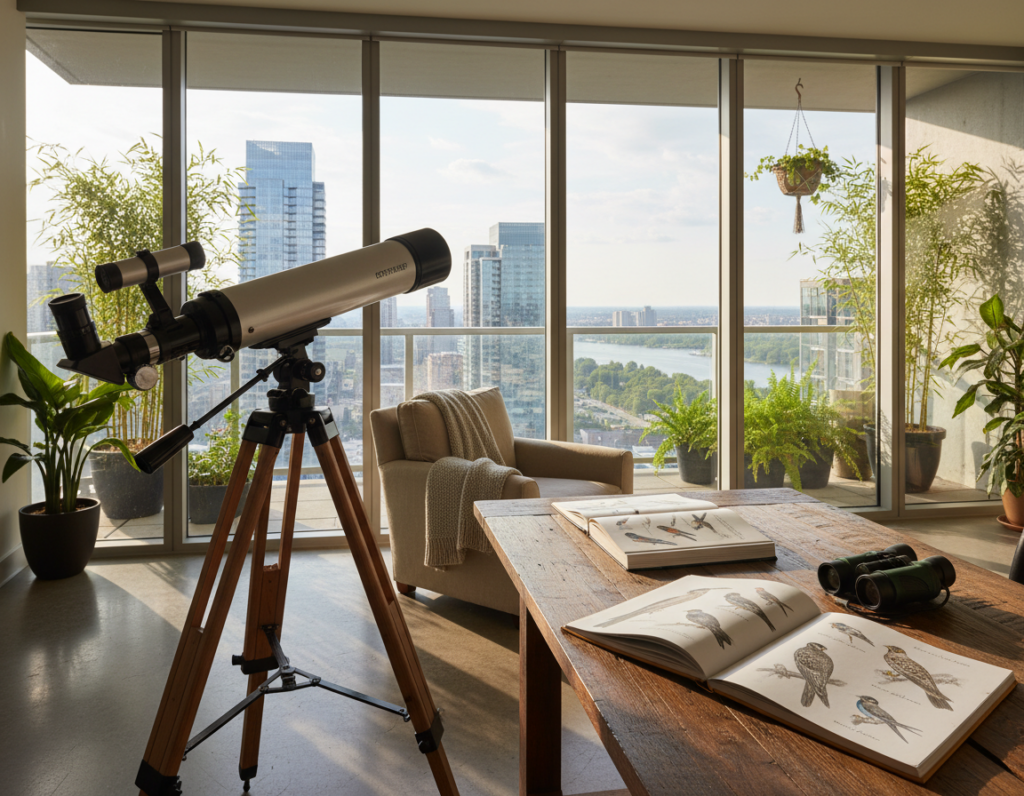
City dwellers gain a steady connection to nature without a yard. A compact smart bird feeder mounts easily on a balcony or window ledge and attracts a variety of species. It turns tight spaces into lively, observable habitats.
The addition of a high-quality camera means residents never miss rare visits, even during work hours. Modern units are weather-resistant and built to withstand wind and rain on high-rise ledges.
“Using a feeder on a balcony lets people track local migration and enjoy close-up moments without a garden.”
- Portable feeders suit urban balconies and small terraces.
- Integrated camera feeds deliver clear daytime and low-light clips.
- Durable design keeps feeders working through seasons.
Overall, installing a smart bird feeder in an apartment encourages appreciation of local biodiversity and makes birding discreet and rewarding.
Understanding How Feeder Cameras Work
Feeder units pair motion sensing and compact optics to capture feeding visits with minimal delay. This section explains how a bird feeder camera detects arrivals and how notifications reach the user.
Motion Detection Technology
The motion system in a feeder camera triggers recording when a bird lands. Advanced sensors log movement patterns so the device records only meaningful activity.
Benefits include:
- Lower power use and storage since the camera records selectively.
- Calibration that distinguishes small birds from larger animals to cut false alerts.
- Clear photos and short video clips that aid later species identification.
Real-Time Notification Systems
Once the feeder detects activity, most models send an instant alert to the user’s app. That lets the owner view live clips and save photos in near real time.
During testing, reliable notifications proved crucial to engagement. A well-made bird feeder keeps seed accessible while the camera stays focused on the landing area, so the system captures repeat visits and useful data.
Key Features to Evaluate Before You Buy
Not every bird feeder camera delivers the clarity and reliability backyard observers expect. Buyers should weigh a few core specs to make a confident choice.
First, prioritize at least 1080p video resolution so feather details and quick movements stay sharp. Also check power choices: some smart bird feeders include solar panels that extend run time during heavy use.
Look for flexible storage options. Top systems let users save clips to a microSD card or a secure cloud service. Test the app interface too; a clean app makes managing notifications and saving photos much faster.
Adjustable motion sensitivity reduces false triggers from wind or falling leaves. Confirm the unit’s IP rating so the feeder survives rain and snow. Some cameras add AI ID to help learn local species.
Finally, read expert testing and long-term reviews of similar models. That time spent researching often reveals build issues or firmware updates that matter more than specs on paper.
Best Overall Smart Bird Feeder Camera
This pick leads the roundup because it pairs clear capture with easy sharing and identification tools.
Performance and Community Features
Bird Buddy earns top marks with a 5MP camera and a 120-degree field of view. The team ‘ve tested it for six months and found it captures consistent footage of visiting birds.
The Birdfy Feeder 2 Duo targets power users. Its triple-lens system and 9,000mAh battery extend recording time and track movement across the tray.
- The Bird Buddy is praised as the best overall smart bird feeder thanks to image clarity and community sharing.
- Birdfy Feeder 2 Duo offers premium performance as a feeder duo with long battery life.
- Free AI identification in the Bird Buddy app helps log species and share photos with other feeders worldwide.
- A quality solar panel is a strong option to keep battery levels topped during peak season.
- When choosing a unit, compare image quality, storage options, and long-term testing reports.
Top Premium Choice for Advanced Birders
For serious observers, a premium feeder duo delivers multi-angle coverage that captures every subtle movement at the tray. The Birdfy Feeder 2 Duo offers three distinct camera angles to remove blind spots and archive complete visits.
We’ve tested this unit in varied weather and found the 2K video and a reliable solar panel justify the higher price tag. The high-capacity battery reduces manual charging and keeps the feeder active through long observation periods.
The system includes AI identification that recognizes over 6,000 species without a subscription. That feature, plus detailed visit history in the app, helps advanced users track patterns and compare sightings over time.
- Three camera angles: full approach, tray, and side view for complete documentation.
- Durable design: weather-resistant housing and protected battery.
- Power options: solar panel plus large internal battery for extended runtime.
In short: the Birdfy Feeder 2 Duo is the top premium option for those who demand image quality, reliable power, and in-depth species identification.
Best Value Options for Budget-Conscious Users
Finding a high-value unit means balancing image clarity, power efficiency, and overall cost. The Harymor smart bird feeder stands out as a top choice in that mix.
Harymor offers 2K resolution and AI identification that recognizes over 10,000 species. Its triple solar panel setup keeps the battery topped, so the feeder needs less hands-on care.
The 2L seed capacity reduces refills and buys more time watching each visiting bird. Owners report good photo and video quality at a budget-friendly price tag.
Testing reviews praise the Harymor for its price-to-feature ratio. While identification is not flawless, it gives a useful head start for common species.
- Low maintenance: triple solar panel and reliable battery life.
- Large seed capacity: 2L tray means fewer refills.
- Good capture: 2K video and clear photos without the premium price.
For beginners who want quality without a steep price tag, this feeder option delivers strong features and easy app alerts to monitor visits.
Most Versatile Models for Diverse Species
Versatile feeder units let owners adapt hardware and perches to invite many different bird species to a single spot. This flexibility helps attract finches, titmice, woodpeckers, and other common visitors without swapping units.
Modular Accessory Systems
The Netvue Birdfy stands out as a top bird feeder with a modular accessory system. It accepts hummingbird ports, extra perches, and tray guards so each species finds a comfortable approach.
Birdfy also offers robust build quality and a reliable battery. Adding an optional solar panel extends battery life and reduces maintenance time.
Custom Perch Configurations
Custom perch kits let users change spacing and height to match local habits. That improves seed access and lowers aggressive visits by larger birds.
“A modular layout makes it simple to test setups and document which options attract the most species.”
- Clear camera capture helps with identification and photos.
- Expandable parts give testing options without replacing the whole unit.
- Good storage and app alerts let owners review video and visits at any time.
High-Resolution Options for Detailed Photography
When photography matters, choosing a unit with QHD capture changes what you can record.
The isYoung feeder offers 2.5K QHD resolution and a wide 170-degree camera angle. This combination captures fine feather patterns and subtle color shifts that lower-res units miss.
Dual solar panels keep the battery topped so live view stays reliable through long daylight hours. The steady power supply reduces dropped streams and makes lengthy observation sessions practical.
AI identification works during live view, tagging species as they appear in real time. That feature speeds spotting and helps users build accurate records of visits.
- High video resolution: sharp photos and clearer identification.
- Wide camera angle: captures approach and tray behavior without repositioning.
- Robust storage: flexible options to save the best photos and video.
“Testing confirms this unit ranks among the best for image quality and reliable power.”
For birders who demand detail, this feeder is a top option that balances video quality, storage, and long run time.
Best Offline Solutions for Limited Connectivity
Offline feeder units let backyard birders capture visits without relying on a home network.
The Technaxx TX-165 is a solid offline option for yards with poor Wi‑Fi. This bird feeder records 8MP photos and 1080p video straight to a microSD card, so no cloud subscription is needed.
Key benefits: it runs on four AA batteries and can last up to six months between changes. The long battery life and simple storage make the unit low-maintenance and cost effective.
The feeder camera is built to handle weather and regular outdoor use. Testing found a very fast motion trigger, so visits to the seed tray are rarely missed.
- Reliable local storage avoids ongoing fees.
- Durable build keeps the camera working in varied conditions.
- Simple setup is an option for users who prefer minimal tech.
Note: the TX-165 lacks advanced AI identification, but its straightforward design delivers dependable photos and video when connectivity is limited.
Innovative Features to Watch for in Future Models
New designs aim to pair birdsong analysis with panoramic capture to make backyard observation truly hands-off.
Birdsong Identification Technology
Audio-based ID will let a smart bird feeder tag species from calls alone. This means users can log visits even when a bird stays hidden.
Identification by sound speeds up species records and makes monitoring less intrusive.
Panoramic Camera Systems
Panoramic systems like the upcoming Birdfy Feeder Vista promise 360-degree coverage. A feeder camera that sweeps the whole area removes blind spots and captures every approach.
High-Speed Hummingbird Capture
High-speed capture will offer slow-motion video of tiny, rapid wingbeats. These features make fleeting visits useful for study and stunning for sharing.
“These advances will turn feeders into active learning hubs that record calls, movement, and behavior.”
- Birdfy also improves AI to ID more species with higher accuracy.
- Enhanced live view and sensors will manage seed flow and deter squirrels better.
- As these features arrive, the feeder duo and single-unit options grow more immersive and educational.
The DIY Approach to Building Your Own Setup
Using an off-the-shelf camera inside a weatherproof housing, hobbyists can craft an affordable bird monitoring rig.
The Wasserstein Bird Feeder Case makes this option simple. It fits many popular security cameras such as Blink Outdoor and Ring Stick Up Cam.
Benefits include:
- Lower cost by repurposing an existing security camera and avoiding subscription fees.
- Better control of angle and placement to suit specific species and seed tray layout.
- Clear video capture without needing dedicated AI identification features.
Handy users can customize perches, protect the seed, and tune motion sensitivity. That control often yields better views than off-the-shelf feeder units.
“Many find the build itself rewarding and it creates a tighter bond with local birds.”
For those who want more features later, the DIY route still leaves room to add cloud storage or extra feeders integrated into the home security setup.
Managing Power and Battery Life
Proper power management is the backbone of any long-term backyard bird monitoring setup. Keeping the feeder camera powered avoids missed visits and lost video of rare species.
Use a quality solar panel when possible. A good solar panel cuts the need to swap batteries and often delivers a true set-it-and-forget-it experience.
Many units are energy-efficient, but high-traffic feeders will still drain power faster during peak seasons. Choosing a model that allows a replaceable battery gives more flexible charging options.
- Optimize motion sensitivity in the app to reduce unnecessary recordings and extend battery life.
- Clean the solar panels regularly so they supply steady power.
- Follow manufacturer guidance for battery care to protect long-term performance.
“Proper power management keeps the security camera active and ensures every seed visit and rare bird is captured.”
Review available options before buying. Good power features make a feeder and camera pairing reliable and low maintenance over time.
Dealing with Squirrels and Unwanted Visitors
Squirrels often turn a peaceful backyard into a daily battle over seed, challenging any feeder setup. They are persistent and can scare away smaller bird species if left unchecked.
Many modern bird feeder units include squirrel-proof features such as baffles, weight-sensitive trays that close, and reinforced perches. These features protect seed and keep the tray available to target species.
Mounting a feeder on a pole with a large baffle is an effective option to stop climbing rodents. Some feeders include alarms or motion deterrents, though their success varies by animal and location.
- Keep the area tidy; spilled seed attracts repeat visits from unwanted guests.
- Use observation from the camera to learn when squirrels visit and change placement or timing.
- Choose a design with weight-sensing trays to reduce non-bird access.
The goal is to create a safe place for backyard birds while minimizing seed loss. With the right options and routine care, a feeder remains a dedicated spot for local bird identification and enjoyment.
Optimizing Your Wi-Fi for Reliable Streaming
Streaming live footage from a feeder often hinges on a single factor: reliable Wi‑Fi.
Check router placement. Put the router in a central spot and test signal strength at the planned feeder location. This simple step cuts lag and missed alerts.
Use a dual-band router that supports 2.4 GHz if the camera requires it. Many units work best on 2.4 GHz, so confirm the setting before installation.
- Consider a Wi‑Fi extender or mesh kit when the yard is far from the house.
- Update router firmware and prioritize traffic for security cameras to reduce interruptions.
- Test streaming after setup to confirm crisp video and instant notifications.
Power choices also matter. If the feeder uses a solar panel, keep panels clean so the unit stays charged and online. A steady power source supports continuous uploads and accurate species identification.
Good connectivity ensures quick access to recorded clips, smooth live view, and reliable security features that protect seed and capture every visit.
Essential Tips for Proper Maintenance and Cleaning
Routine cleaning and timely checks keep a feeder unit reliable and visiting bird health a priority.
Wipe the lens with a soft cloth every week. Dust, pollen, or droppings blur video and lower image quality.
Inspect the battery compartment monthly. Look for moisture or corrosion and confirm seals stay intact to protect internal electronics and storage.
- Empty and clean the seed tray to stop mold and bacteria that harm local species.
- Keep the solar panel clear of debris so the battery charges efficiently each day.
- Store the camera unit dry during the off‑season to extend lifespan and protect the security of saved video.
Small habits go far: regular checks reduce false triggers and help identification when reviewing clips. Clean, charged units deliver the best resolution and make long-term monitoring simpler.
Final note: choosing the right maintenance option for your feeder cameras keeps the unit working and creates a safer, more inviting spot for many bird species.
Conclusion
Wrapping up, practical choices about placement, power, and settings turn a feeder into a dependable observation tool. Simple planning helps reduce missed visits and improves image quality.
Choosing the right model — whether a premium unit or a budget DIY setup — delivers real learning and lasting enjoyment. Proper upkeep and spot checks keep the device working and safe for local wildlife.
Owners who want greener options can consider solar-powered options to reduce maintenance and environmental impact.
With smart placement and steady care, each home can reliably record visits and enjoy closer views of the local bird life while keeping the camera running when it matters most.