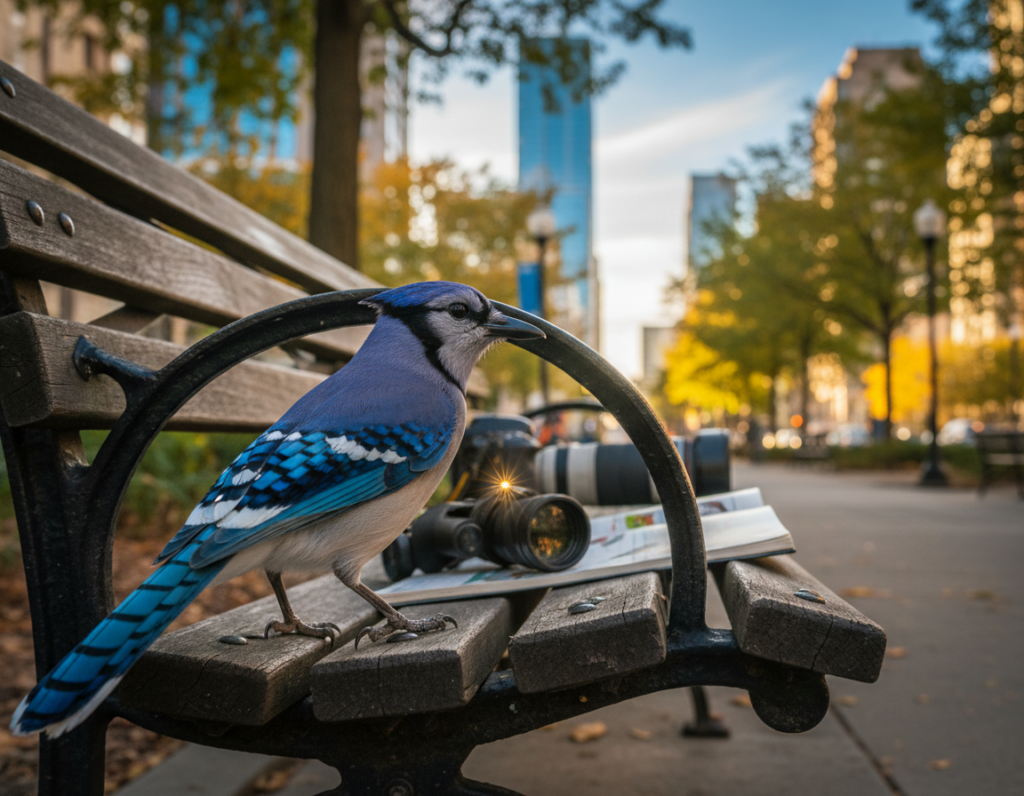
Modern night birdwatching cameras bring unseen wildlife behavior into view around homes. The Bird Buddy and similar gear capture sharp, detailed images of visitors at feeders. This makes it easier to study both day and after-dark routines.
High-resolution sensors and smart motion detection let a single camera record feather detail and quick movements without disturbing the animals. Good image quality and proper lens choice are vital for species ID.
Battery life, frame rates, and tracking options shape long-term monitoring. In the current market, users find a wide range of price and feature choices. A great camera, including models from Sony cameras, can transform backyard wildlife photography and reveal behaviors that were once hidden.
Understanding Nocturnal Bird Behavior
Many nocturnal species show adaptations that let them hunt and move with surprising ease in low light. The Common Poorwill, for example, evolved camouflage and a quiet flight style that aids hunting in dim conditions.
Nocturnal Species
Species active after dusk use keen vision and other senses to locate prey. Researchers note that a sharp eye and sensitive sensors in gear help capture those moments.
Behavioral Patterns
These birds use distinct vocalizations and foraging techniques. Recording these calls and movements with the right camera settings reveals patterns of activity and life cycles.
- Fast shutter and higher frame rates improve capture of quick wing speed.
- Specialized lens choices and modes assist in low-light photography.
- Remote app review of images lets observers adjust tracking without disturbance.
Every clear image or set of images adds to the body of work on how these birds interact with their landscape and other wildlife.
Why Night Birdwatching Cameras Are Essential
Targeted imaging tools turn fleeting visits into useful data. A 5MP Bird Buddy camera sends real-time alerts and captures clear image snaps when a bird visits a feeder.
Netvue Birdfy offers 1080p video so observers can review behavior in high definition across time. These devices make wildlife photography more reliable and less intrusive.
The right lens and sensor improve low-light performance and let users track movement with speed and accuracy. Every frame adds context about species, feeding habits, and landscape use.
- Capture images you would miss without a dedicated camera.
- Use high-speed settings to document wing speed and shutter timing.
- Review footage on an app to spot species and subtle things you missed.
Durable body and smart features mean long-term work in varied weather. For anyone serious about bird photography, this article shows why investing in quality gear is a smart move.
Key Features to Look for in Night Vision Gear
Effective nocturnal observation depends on a balance of sensor detail, frame rate, and build quality.
Resolution
Resolution
For serious wildlife photography, choose a sensor that delivers strong image quality. A 30–50 MP range gives room to crop while keeping fine detail of species and plumage.
High resolution also helps when stitching or reviewing images in an app. It makes identification easier from a distance.
Frame Rate
Frame Rate
Speed matters when subjects move. Aim for 15–20 fps to track birds in flight and capture decisive moments.
Higher rates reduce motion blur and improve the chance a single image shows wing detail or a fast behavior.
Weatherproofing
Weatherproofing
A durable body ensures the camera will work in rain, wind, and temperature swings. Look for sealed construction and solid mounts.
- A quality lens paired with the right body captures the most detail.
- Light sensitivity of the sensor affects low-light image and video results.
- Advanced tracking modes, like eye-tracking, help keep the subject in view.
“Balance resolution, fps, and build quality to get reliable results in the field.”
For maintenance and proper use, readers can learn about care to keep gear ready for long-term work.
Top Picks for Night Birdwatching Cameras
Top-tier gear highlights a range of choices that suit both casual feeders and serious wildlife photographers.
The Nikon Coolpix B700 stands out as a great camera for budget-conscious birders. It pairs a 20-megapixel sensor with a 60x zoom range to capture detailed images from a distance.
For speed and pro-level work, the Sony Alpha 9 III raises the bar. Its 120 fps RAW capture excels when tracking fast species and shooting rapid behavior in the field.
When buyers review the market, they find many options that balance price and features. Eye-tracking, high-resolution sensors, and a solid body often drive cost. A fast frame rate and a quality lens help record every feather detail and decisive shutter moment.
- Point-and-shoot: affordable, easy setup, useful zoom for feeders.
- Mirrorless/DSLR: top image quality, interchangeable lens options.
- Flagship bodies: unmatched speed and tracking for wildlife photography.
Choosing the right model depends on desired features, the expected range of subjects, and how much review and app integration the user needs. This brief review helps match equipment to the work ahead.
Evaluating Sensor Quality for Low Light
A camera’s low-light success starts with the physical size of its sensor. Size controls how many photons the sensor gathers, and that directly affects image clarity and noise.
Sensor Size Impact
A larger sensor improves image quality. For example, a 1-inch sensor has about four times the surface area of a 1/2.3-inch sensor. That extra area makes a big difference in low light.
When shooting wildlife, a bigger sensor gives higher detail and cleaner files. It helps with species ID, fine feather detail, and better dynamic range.
- Better low-light performance means fewer noisy images and more usable shots.
- Faster sensor readouts aid tracking and high frame speeds for flight sequences.
- A larger body often fits higher-quality lenses and cooling for sustained work.
Practical tip: choose a camera with a 1-inch sensor or larger for reliable low-light photography. Adjust mode and shutter settings to balance resolution and noise for the best view.
The Role of Infrared Technology in Wildlife Observation
Using infrared, a camera can reveal movement and detail that the human eye cannot detect.
Infrared illumination emits invisible light that a sensitive sensor records. This lets observers capture clear images in total darkness without using bright visible light.
When a setup uses IR, it avoids disturbing birds and other species. That preserves natural behavior and improves the value of each image for study or conservation.
Infrared also supports reliable tracking and gives a unique view of movement and feeding. The final quality depends on the sensor and the chosen lens.
- Feature: IR mode extends the field of observation without visible glare.
- Benefit: More usable frames and less disturbance to species.
- Tip: Review device infrared features to pick the best mode for your work.
“Infrared changed how observers study nocturnal behavior by making the invisible visible.”
Battery Life and Power Management Strategies
Power strategy determines whether a remote setup delivers hours or weeks of usable footage. For long-term field work, planners must balance energy, duty cycle, and device features.
Solar panels can be integrated into feeder units to keep the battery charged. This allows the camera to run without frequent manual swaps and supports continuous recording of images and video.
Solar Power Options
Panels add autonomy and reduce maintenance. In sunny regions, a compact panel plus a charge controller can sustain a 9,000mAh pack for weeks.
- Benefit: lower long-term price and fewer site visits.
- Tip: mount panels to face midday sun and keep panels clear of debris.
- Note: choose weatherproof connectors and a proper regulator for stable charging.
Battery Capacity
High-capacity batteries are essential when recording high-resolution video or using frequent tracking modes. A 9,000mAh unit extends runtime for a professional body or a simple feeder camera.
The resolution, frame rate, and sensor activity directly affect drain. Lowering video resolution or reducing tracking frequency can double operational time without losing key detail.
“Every image captured depends on thoughtful power management; choose batteries and settings that match your field goals.”
Connectivity and App Integration for Remote Monitoring
App links turn a static feeder into a live window on local wildlife, sending alerts the moment motion is detected. A connected camera lets users view an image or video instantly and check species visits from anywhere.
When an app notifies the user, they can change the mode, adjust frame rate, or tweak exposure to get better images. The sensor and lens work together, but app control makes real-time tweaks simple.
Modern connectivity options include Wi‑Fi and Bluetooth, with cloud syncing for fast transfer of images and clips. This makes tracking visits and reviewing behavior much easier than manual downloads.
- Remote view: monitor birds and wildlife in real time.
- Adjust settings: change resolution, speed, or tracking from a phone.
- Notifications: receive alerts when a species appears at the feeder.
“Connected systems turn sporadic sightings into a continuous study of local life.”
Mounting and Positioning Your Camera for Success
The right placement turns a simple feeder into a reliable window on local wildlife. Careful mounting improves view, reduces glare, and raises the chance of usable photos.
Optimal Placement
Mount the camera on a sturdy pole or a solid tree to keep the lens steady. Use a squirrel baffle on poles to protect the body and prolong battery life.
- Position: place the unit where the field of view covers the feeder and approach paths for better tracking.
- Range & lens: match lens range to the typical distance so images keep fine detail of species.
- Access: choose an accessible spot to check battery and swap media without disturbing birds.
Height matters: mount at a level that records natural behavior and wing speed. A point-and-shoot offers simple mounting options, while a robust body gives more resolution and sensor control for pro photography.
“Careful positioning turns good gear into consistent results.”
Comparing Professional DSLR Gear Versus Smart Feeders
Choosing between a pro DSLR rig and a smart feeder comes down to control, cost, and convenience. Each option suits different wildlife goals and fits a distinct budget and skill level in the current market.
A professional camera body with an interchangeable lens delivers the best resolution, sensor performance, and shutter speed. That setup gives photographers precise manual control over exposure, focus, and frame rate. It is ideal when every image must show fine feather detail for species ID.
Smart feeders trade some technical control for ease. They pair an integrated camera with AI for quick tracking and automatic species tagging. For casual users, the convenience of onboard ID and cloud sync outweighs a steeper price and the learning curve of a pro body.
- Pro gear: superior image quality, lens options, and full manual modes.
- Smart feeders: easy setup, AI ID, and hands-off monitoring.
- Choice: match the tool to your wildlife photography needs and budget.
“Both approaches have a place; the right pick depends on how much control and investment the user wants.”
Managing Storage and Data for High Resolution Footage
Capturing extended high-res video means choosing storage that keeps pace. Large files from a high-resolution sensor will fill microSD cards quickly. Planning storage avoids lost images and interrupted recording.
Use a mix of local and cloud options. A high-capacity microSD delivers fast local writes and low price per gigabyte. Cloud services add offsite backup and often include 30-day retention to review favorite video and image clips.
Organize files by date, species, and event so finding the best shots is fast. Tracking modes and high frame rates create many short clips, so regular review and deletion free space for new footage.
- Tip: match your resolution and mode to available storage to extend runtime.
- Tip: keep one card as a rolling archive and use cloud sync for long-term saves.
- Tip: label cards and folders by species and date for easier search.
“Every saved image and video is a record of wildlife life — manage storage so you never miss the next moment.”
Overcoming Challenges in Low Light Photography
Capturing clear images in dim conditions begins with choosing a sensor and lens that gather more light.
A camera with strong high‑ISO performance and a fast lens gives a clear advantage. A larger sensor and wide aperture reduce noise and keep detail in the feathers of a bird.
Adjusting shutter speed and aperture matters. Use a faster shutter to freeze motion, then open the aperture and raise ISO to keep image quality. Monitor the frame rate and shutter speed to balance blur against exposure.
For moving subjects, quick autofocus and high resolution help sustain good tracking. Battery life also matters for long sessions; choose gear with a stamina that matches the shooting range and planned hours.
- Tip: test settings and review images to refine exposure choices.
- Tip: prioritize a fast lens and strong ISO over lower price when low light is common.
- Tip: lower video resolution if you need longer recording and better battery life.
“Master exposure, speed, and focus to turn difficult light into usable images.”
Ethical Considerations for Nighttime Wildlife Observation
Ethical observation protects wildlife and ensures data are reliable. Observers should avoid setups that change how a bird or group behaves.
Use methods that keep disturbance low. Infrared illumination is preferred because it is invisible to most species and does not alter feeding or flight patterns.
Camera settings matter. Choose resolution and frame speed to document natural activity without prolonged exposure or bright lights that might startle animals.
- Keep distance and avoid repeated close approaches that stress birds.
- Use IR and passive tracking rather than visible flashes or loud alerts.
- Limit active monitoring times so routines stay unchanged.
- Let the lens and sensor record without interfering with nesting or feeding.
“Every image should reflect careful stewardship; the needs of birds come first.”
Following ethical guidelines helps conservation. Responsible use of a camera and thoughtful review of photos supports long-term study without harming the subjects.
Essential Accessories for Your Setup
A few key accessories remove common obstacles and keep the focus on capturing clear, usable images.
Core kit: Always include extra batteries, high-speed microSD cards, and a squirrel baffle for the mounting pole. These items cut downtime and protect the camera from common losses.
Power and runtime: An external solar panel extends battery life and reduces visits to swap cells. For longer sessions, bigger packs and a panel regulator give steady power so the sensor and frame capture more events.
Protection and stability: A sturdy tripod or mount and a weatherproof cover improve tracking and preserve lens alignment. That helps keep speed and focus consistent when a bird approaches.
- Extra batteries and a charger to avoid missed shots.
- High-speed microSD for reliable writes at high frame rates.
- Solar panel and regulator to lengthen runtime and lower long-term price.
- Tripod or solid mount and a protective cover for steady, safe operation.
Value: The price of these options is small compared with the value of the images captured. Every accessory should serve a purpose: improve sensor performance, protect the lens, or aid tracking.
“Well-chosen accessories turn a single camera into a reliable window on local wildlife.”
Future Trends in Nocturnal Wildlife Technology
As processors shrink and power gets smarter, feeder systems will offer higher fidelity and longer runtimes. Advances will center on better sensor chips, faster processors, and smarter on‑device AI.
Expect two major shifts. First, sound ID will join visual tools so a single unit can match birdsong to an eye-level recording. Second, 360° panoramic rigs will capture entire approach routes, not just a single perch.
Key outcomes:
- Higher resolution and improved image quality for low-light shots.
- Smarter AI for species ID and fine-grain behavior analysis, improving tracking.
- Longer battery life through efficient power management and solar assist.
- New lens options and faster autofocus to boost speed and capture reliability.
“The market will favor devices that balance power, sensor fidelity, and intelligent tracking.”
These advances make it easier for observers and professionals to collect usable data. Buyers should watch the market and match a device to their study goals.
Conclusion
In short, this guide ties technical choice to respectful field practice, so users get great results without harming local wildlife.
By matching a capable sensor and the right lens to their goals, an observer can record clear images of birds and other wildlife. Ethical setup, minimal disturbance, and proper power and storage choices keep studies reliable and repeatable.
As technology advances — from improved night vision to thermal imaging — access to high‑quality data will grow. Read more on night vision and thermal imaging to choose the best approach for your yard. Keep an observant eye, start small, and respect the wildlife you study.