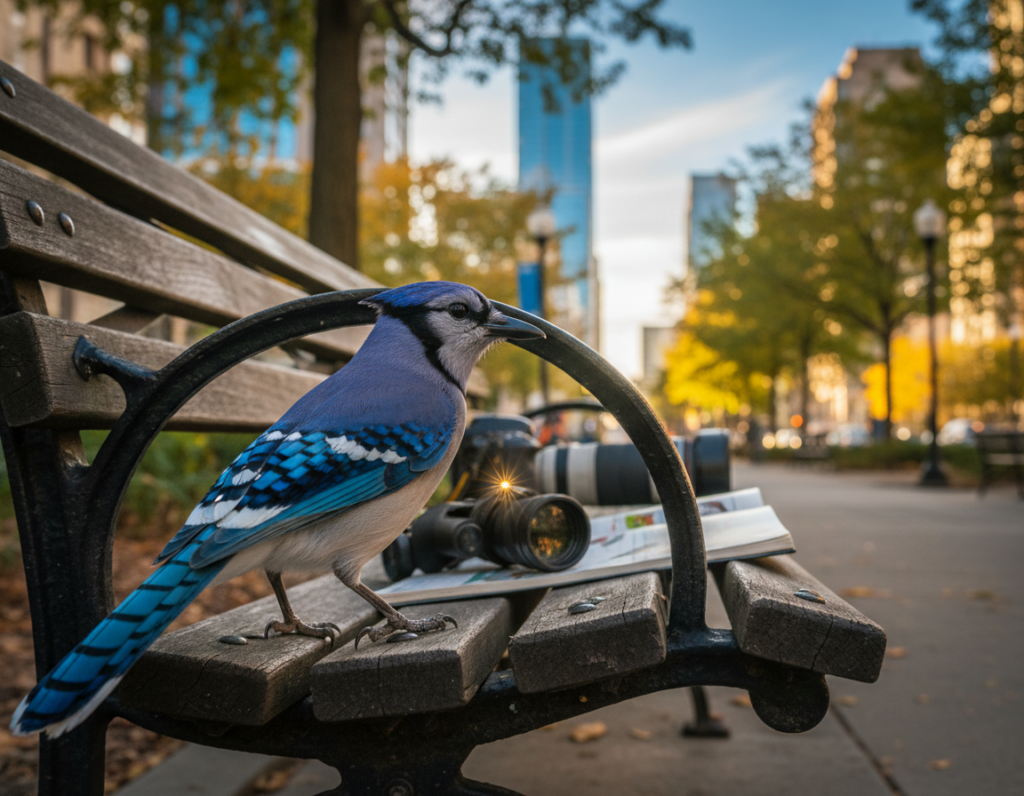
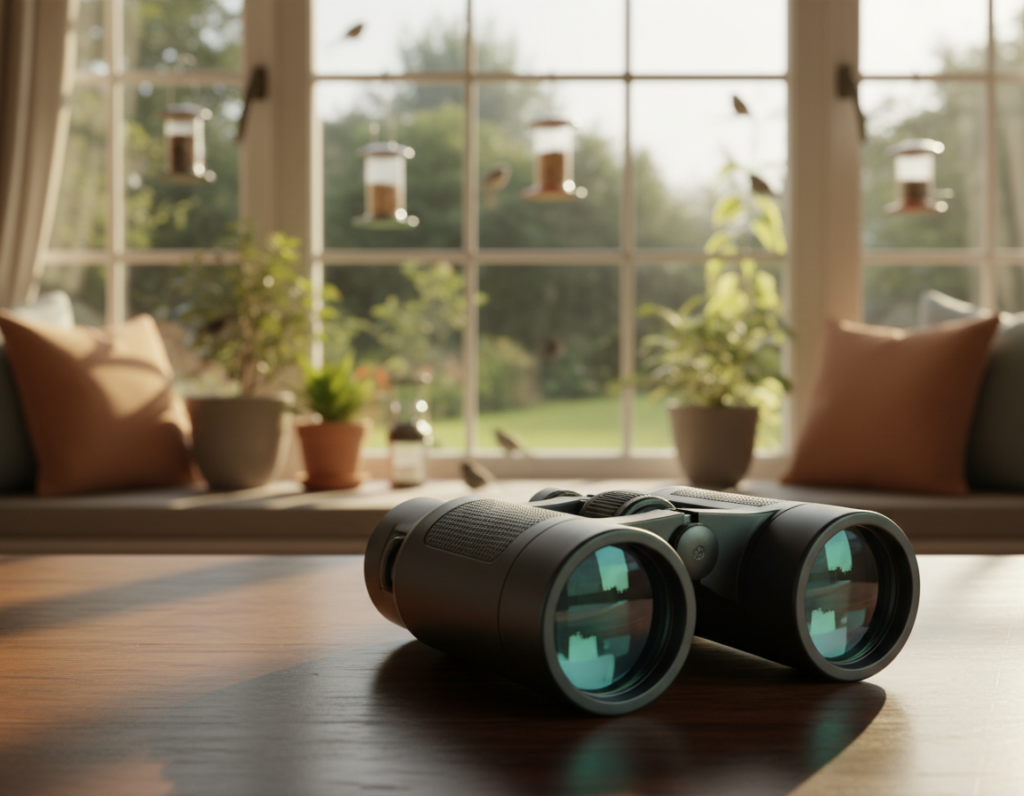
The guide opens with a clear promise: anyone can enjoy urban wildlife without buying top-tier optics. It explains how practical gear and smart choices bring a close view of local birds during short walks or park visits.
Since 2013, when birding gained momentum in Quito, many naturalists have learned that good results come from reliable equipment and patience. This piece highlights affordable options and notes where readers can find legitimate affiliate links to reputable brands like Nikon and Vortex.
The section frames the hunt for value as a practical process. It shows how the right kit turns routine outings into focused discovery. Readers in the United States will find tips that match city life and common green spaces.
– Practical gear can provide clear views in dense settings.
– Affiliate links help beginners find trusted, affordable options.
The Appeal of Urban Birding
A walk through a city park can reveal as much bird activity as a day in the country. For many people, the surprise of spotting a colorful bird on a crowded block creates a memorable experience.
Since 2013, when he began birding in Quito, Ecuador, the author found that short outings turn into hours of careful observation. In Chicago, millions of birds pass through each spring, making the region a major migratory stopover.
Urban birding lets birders study behavior, spot varied species, and learn identification skills without long travel. The presence of wildlife in dense centers is a steady reminder that nature and city life overlap.
- City stops like Chicago offer high numbers of migrating birds every year.
- Many people spend hours watching local birds and discover surprising diversity.
- Dedicated observation makes a simple walk educational and rewarding.
Whether new to the hobby or returning after years away, people can connect with birds close to home.
Essential Budget Urban Birdwatching Tools
Good optics transform short walks into clear sightings and faster learning. He recommends focusing on a few reliable pieces of kit that keep weight low and quality high.
Binocular Basics
Investing in a solid pair of binoculars is the single best upgrade for better field observations. The Athlon Midas 8×42 is a strong choice for people who want sharp images, good range, and a reasonable price.
Look for multi-coated lenses, waterproof construction, and a comfortable eye relief. Those features improve identification and make long sessions easier on the eye.
Monocular Alternatives
For those who prefer something compact, a monocular gives a lot of magnification in a small package. Models like the Pankoo 12×60 fit in hands or pockets, cutting weight for long hiking days.
Monoculars deliver excellent optical power and useful features for urban birding. They pair well with a lightweight harness or pocket tripod.
- Key picks: Athlon Midas 8×42 for binoculars; Pankoo 12×60 for a compact option.
- A binocular harness eases neck strain during extended hikes.
- Many affordable options offer waterproofing, multi-coated lenses, and solid image quality.
- Buying through affiliate links supports guides that help others find the right gear.
High-quality optics ensure that images in the field are sharp and clear, which speeds learning and makes birding more rewarding.
Selecting Affordable Binoculars for City Views
The right 8×42 pair combines reach and a wide view, ideal for busy city greens.
Nocs Field Issue 8x42mm stands out as a compact, waterproof option that handles varied conditions without weighing a user down.
When choosing a pair, lens quality directly affects the clarity of images and the speed of identification. Look for multi-coated lenses and scratch-proof glass to keep visual quality high over time.
Adjustable eye cups help people who wear glasses get a full view. Rubberized housing and shock resistance are common features on affordable models, improving durability in daily city use.
- An 8×42 setup offers a broad field of view, ideal for tracking moving subjects.
- Good lenses and reliable focus deliver better images and a stronger overall experience.
- Entry-level price points now include useful features that once cost much more.
For comparisons and expert testing, readers can explore recommendations for the best binoculars to make informed choices about quality and range.
Harnessing the Power of Birding Apps
Mobile apps now bring field-grade data to a phone, changing how people track birds in their area.
Using eBird for Regional Lists
The Cornell Lab of Ornithology built eBird to deliver local lists of likely species for any place in the U.S.
Observers can open eBird, view a list for their neighborhood, and narrow identification by range and season.
Identifying Calls with Merlin
Merlin includes a sound ID feature that analyzes audio in real time to suggest matching species.
This helps when birds stay hidden or when visual images are poor quality.
Digital Identification Tips
Many birders use their phone to upload photos and recordings, improving both personal records and the Cornell Lab database.
These apps offer features like image comparison, suggested lists, and instant answers that raise the overall quality of field ID.
- Key advantages: regional lists, sound ID, and easy uploads to support research.
- Keeping a digital list helps track movements and the health of species over time.
Why You Need a Reliable Field Guide
A compact printed guide can save a sighting by offering quick, trustworthy details at the moment you need them. It gives a steady reference when phones die or signal is weak.
Regional books like Birds of Illinois by Greg R. Homel provide clear, high-quality illustrations that help separate similar species. Field references with local plates speed up correct identification in the field.
Sibley’s Backyard Birds guides are trusted for accuracy and concise notes. Together with a regional guide, they form a practical pair that supports learning and long-term study.
Carrying a guide makes confirming sightings more rewarding than relying on memory alone. Modern editions are often waterproof and light, so they handle a long day outdoors.
- Quick reference: fast answers during active observation.
- Durable design: waterproof pages and a compact size.
- Trusted content: reliable facts that improve ID skills and the overall quality of records.
“A good guide turns curiosity into confident learning.”
Choosing Practical Clothing for the Field
What you wear affects how close birds will let you get and how long you can stay outside. Practical clothing keeps a birder comfortable in varied conditions and helps reduce disturbances during long hikes.
Avoiding Bright Colors
Muted tones are best when observing wildlife. Wearing earth tones helps a watcher blend into trees and grass so birds remain at ease.
Angel Paz, known as the Antpitta Whisperer, advises against bright white clothing. He notes white can act like a glare and scare sensitive species away.
Columbia and other outdoor brands offer garments in earth tones that balance sun protection and breathability. Long sleeves and pants protect skin from insects and rough conditions while keeping focus on the birds.
- Choose muted colors to avoid startling nearby birds.
- Pick lightweight, sun-protective fabrics for long hiking days.
- Wear a bucket hat to keep the sun out of your eyes when scanning the canopy.
Whether you’re a beginner or an expert, making thoughtful clothing choices helps you be a better guest in the birds’ world and stay comfortable across changing field conditions.
Lightweight Accessories for Long Days
Choosing compact gear helps an observer stay mobile without sacrificing the quality of the view. The REI Flexlite Air Stool weighs just 11.5 ounces and supports 250 pounds, so it is ideal for taking a quick seat when legs get tired.
A small hip pack like the Cotopaxi Allpa X 1.5L keeps a phone, spare lenses, and snacks within easy reach. Keeping items at the hand speeds access and reduces time fumbling in a full pack.
Swapping a neck strap for a binocular harness reduces neck strain and lets observers spend more time looking. Quick-access pockets and smart features on packs make it easier to capture clear images and secure small essentials.
- Light seating: REI Flexlite Air Stool for rests during a long day.
- Organize small items: Cotopaxi Allpa X hip pack keeps the phone and essentials close at hand.
- Comfort: A harness, not a neck strap, saves fatigue and keeps binoculars ready.
- Sun protection: A bucket hat shields eyes so observers can keep their view longer.
For larger trips, readers may consider durable packs and carrying systems. See recommendations for sturdy backpacks and packs at sturdy backpacks and packs to pair with these lightweight accessories.
Capturing Memories with Entry Level Photography
Entry-level cameras now put powerful autofocus into the hands of casual observers. This makes it easier to record a quick sighting and study behavior later.
The Sony Alpha 7C II brings AI-assisted focus that locks onto small, fast-moving subjects. That real-time tracking helps photographers capture sharp bird images even in cluttered settings.
AI Assisted Focus Features
Modern entry-level models blend smart focus with good low-light performance. They produce high-quality images without needing deep technical skills.
- AI tracking: keeps focus on birds in flight for clearer photos.
- Pairing gear: many birders use a reliable pair of binoculars to find subjects before switching to a camera.
- Accessible price: entry-level gear now offers pro-grade features at a lower cost.
- Phone integration: easy image transfers and quick sharing via apps.
Even beginners can document wildlife reliably. Good autofocus and steady composition raise the overall quality of every outing.
Tips for Spotting Birds in Dense Environments
Simple scanning techniques make dense foliage far less mysterious for careful observers. At Montrose Point Bird Sanctuary, a steady scan of trunks and mid-canopy often finds migrants that quick looks miss.
Start by settling in. Sit on a lightweight stool and keep hands still. Remaining motionless for a short time increases the chance of a clear view of hidden birds.
Use binoculars to sweep small sections instead of the whole scene. Focus on branches, trunks, and the mid-level leaves where many species feed.
- Listen: Calls and soft wing sounds help locate targets before images appear.
- Repeat visits: One good day rarely replaces many short trips to the same place.
- Gear choice: Pick optical quality and low weight so field sessions last longer.
Experience matters: birders often spend years learning subtle movements and improving identification. Patience and calm scanning deliver the best results in dense habitat.
“Patience is the most reliable tool in the field.”
Conclusion
A few thoughtful choices will make each field visit more rewarding and easier to repeat. Whether you’re in a city park or visiting a distant preserve, steady practice deepens a connection with the natural world.
Use a trusted guide and reliable binoculars to boost confidence and spot more species. Each trip adds to your personal list and can help broader science when sightings are shared.
Check the affiliate links provided to find gear that fits specific needs. Above all, birdwatching is a lifetime of small discoveries that enrich everyday life.