Many amateur photographers find it hard to keep high image quality when working in small living spaces. Low light, cluttered background, and cramped angles often lower the final shots. This introduction outlines common issues and quick fixes to raise quality.
Capturing a sharp bird image demands attention to how the camera settings interact with limited light. Even skilled photographers see poor results when they ignore exposure, shutter speed, and depth of field in tight rooms. Small changes to lighting and composition make big differences.
Heather Angel offers professional tuition through a four-week online wildlife course that focuses on practical techniques for higher-quality images. This guide will explore typical errors and show how to adjust settings, simplify backgrounds, and steady shots for better results.
The aim is simple: give readers clear, usable steps to improve their work and ensure subjects look their best in apartment shoots.
Understanding Common Bird Photography Mistakes Indoors
Small living spaces expose many gaps in technique that affect final picture quality. Many errors come from shaky settings, poor light, and crowded backgrounds that reduce clarity in photos.
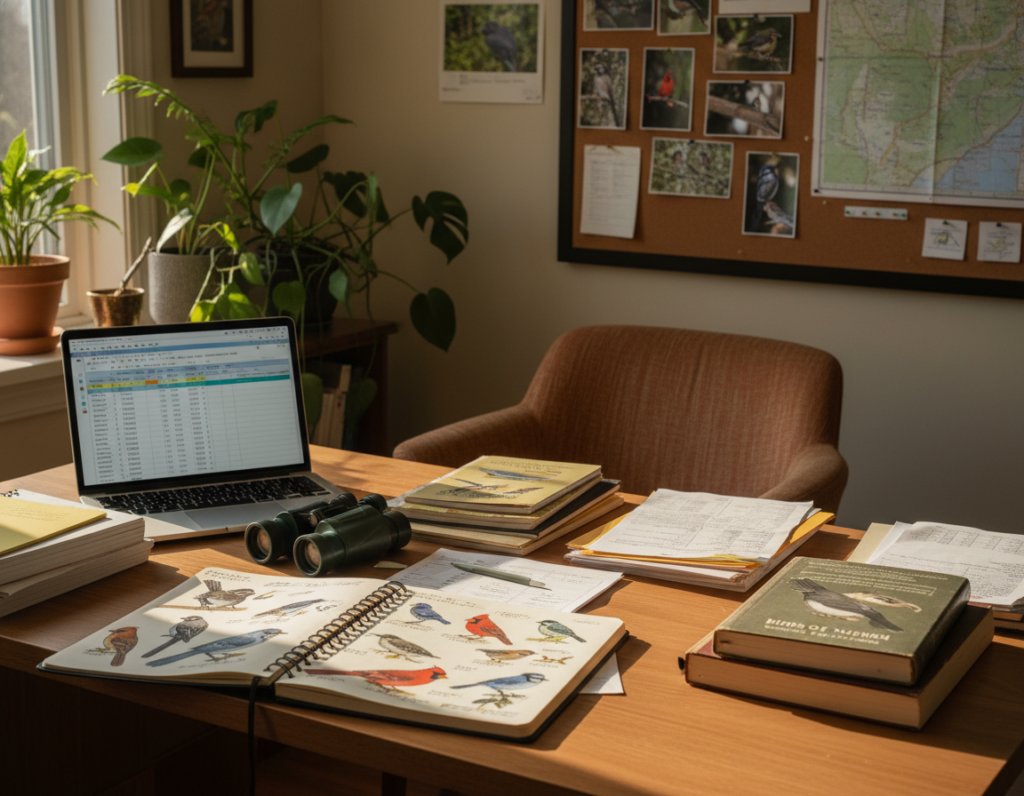
Early review of your work helps pinpoint where a picture failed. When shooters view images on a computer, they often spot simple faults that are fixable with practice and a short course.
- Technical gaps: exposure, shutter speed, and depth of field are common causes of poor picture results.
- Composition issues: busy rooms can distract from the subject; simplify the scene.
- Steadiness: lens shake and slow shutter speed blur photos unless corrected.
- Consistent practice: regular sessions trim down common mistakes faster.
“Even the most talented photographers must practice consistently to avoid beginner errors,” said Heather Angel.
Take time to review each photo and adjust settings before the next shot. A focused review habit and structured learning will yield sharper, more professional images in apartment shoots.
Mastering Focus and Sharpness
Nailing the focus is the single most effective trick to lift your images. A clear, sharp eye in the frame turns a decent shot into a keeper. Shayna Hartley’s Barred Owl image is a perfect example: the eye is crisp, and the whole photo gains presence.
Focusing on the Eye
When composing, place the autofocus point directly on the eye. A sharp wing or back is no substitute for a soft head. For larger subjects, aim a bit forward—neck or shoulder—so the eye stays sharp if the subject shifts.
Using Manual Focus
If the camera struggles to lock, switch to manual focus. Many lenses let you make tiny adjustments that save a shot when autofocus hunts.
- Lock the AF point on the eye; recompose only after focus is secure.
- A long lens demands precise control as the subject moves within the frame.
- Avoid letting the camera prefer the wing or back; that often ruins the image.
“Sharp focus on the eye creates trust in the image and guides the viewer’s attention.”
For more technique and examples, see mastering bird photography tips to refine focus and lens control.
Optimizing Shutter Speed for Action
Freezing rapid wingbeats starts with choosing the right shutter time for the scene. Fast shutter settings stop motion and protect image detail when subjects move quickly.
To freeze a small subject in flight, use speeds above 1/1000th of a second. Many pros choose 1/2000th for full-flight shots to keep wings sharp. A usable example from a fight sequence used 1/1600th to lock two thrushes in place.
If the shutter is too slow, motion blur ruins a shot even when focus is correct. In low light, raise ISO to keep speed high. Check the camera readout before each burst so exposure and speed match the time of day.
- Use fast speeds (1/1000+ for small species).
- Increase ISO when light is limited to preserve shutter speed.
- Verify settings before you start shooting; light changes quickly.
Managing Exposure and Lighting
Balancing light and exposure is the quickest way to improve final image quality in tight or changing conditions. Proper exposure preserves texture and contrast so each feather and highlight remains visible.
Use the histogram on your camera to confirm no pixels are lost at either end of the range. The histogram helps verify that images retain highlight and shadow detail without clipping.
Utilizing the Histogram
The histogram is a vital tool. Check it after test shots to see if you need to tweak shutter or aperture. In bright light, close the aperture or increase shutter to keep feather detail in white plumage.
- Use the histogram to avoid blown highlights and blocked shadows.
- Adjust shutter or aperture in strong sun so the subject keeps fine detail.
- Practice with exposure compensation to handle changing light at different times.
- Ignoring the histogram often leads to images that are too dark or lack white detail.
- Monitor light levels so every shot maintains professional-grade quality and detail.
Consistent practice with cameras and lenses will make reading the histogram second nature. Over time, this improves photography and bird photography results in the field.
Refining Composition Techniques
A balanced frame makes subjects feel natural and gives each image purpose. The rule of thirds is the simplest way to start. Placing the main subject on a third line creates a more dynamic composition than centering it.
Move the camera so the focus point is off-center. This gives the subject room to look or move into open space. It also makes images feel more alive and less static.
Control the background by changing angle or using a longer lens. A clean back keeps attention on the subject and avoids distractions.
- Place the bird to one side to create motion into the frame.
- Shift the AF point away from center to force better composition.
- Use the rule to plan where the eye or beak lands in the frame.
For example, a centered picture often looks static. Mastering these rules gives clear creative control and lifts field shots to a more professional level.
Selecting the Right Backgrounds
Choosing the right backdrop turns an ordinary frame into a strong, distraction-free picture.
A clean background makes the subject pop and improves the final image. A cluttered scene can ruin an otherwise great shot.
Move a few steps or lower the camera. Getting low to the ground when photographing a Golden Plover, for example, pushes the background farther away. That creates a soft, creamy bokeh that keeps focus on the bird.
A dark background often works best. It reduces distractions and helps the subject stand out under changing light. Always check the view through the lens before you press the shutter.
- Scan the frame for bright twigs or branches that cut through the subject.
- Shift position to place the background further behind the subject for better blur.
- Choose simple tones and avoid busy patterns that compete with the subject.
Composing with a clean background is a quick, reliable way to lift photos and make every shot feel more professional.
Minimizing Lens Shake
Long telephoto lenses magnify tiny hand movements, so even a small tremor can spoil a frame.
When working with heavy glass, they should use a fast shutter and steady support to protect image quality. Handholding requires a shutter speed that compensates for focal length and any motion.
Modern cameras and many lenses offer image stabilization that reduces visible blur. That makes handholding more reliable in low light or when quick shots matter.
- Use a tripod to eliminate shake, especially when waiting for the bird subject to appear.
- Keep shutter speed high enough to match the focal length when you handhold the camera.
- Engage lens stabilization on lenses or switch to a mode that suits panning shots.
- If possible, brace against a solid surface or use a monopod for added steadiness.
By combining a steady lens, proper speed, and good focus technique, photographers raise the chance that every shot is sharp and usable.
“A steady setup beats luck every time.”
Improving Fieldcraft and Subject Approach
Fieldcraft is the skill of getting close enough to the subject without triggering flight. It blends patience, movement control, and good timing to make quality shots more likely.
When approaching a bird, move slowly and avoid sudden moves. Sudden gestures often startle the subject and end the opportunity.
A common error is walking straight toward the animal. That direct approach usually causes flight before autofocus or focus locks. Instead, use a zigzag way to close distance.
- Approach in short, quiet steps and pause to let the subject settle.
- Use the zigzag method to break the line of sight and reduce stress.
- Keep control over movement so the camera and lens can find focus and the right shutter speed.
Respect for wildlife matters. Calm behavior keeps birds relaxed and gives photographers a lot more time to set exposure, check focus, and get the shot.
“A steady, respectful approach often yields better images than better equipment.”
Prioritizing Ethical Wildlife Practices
Respecting wildlife must always outrank the urge to get a dramatic close-up. Ethical conduct preserves animals and keeps shooting areas open for others.
Never harass an animal to force a pose, and avoid disturbing nests or habitat for a single image. Harassment, especially of owls and nocturnal species, harms breeding and survival.
If a subject shows rapid eye movement, defensive posture, or other stress signs, step back at once. Prioritize the animal’s health over any camera setting or composition.
- Put welfare first: health and safety come before a perfect shot.
- Keep distance: use a long lens so birds behave naturally.
- Protect habitat: do not trample or alter sites for a better view.
“Responsible photographers always put welfare ahead of opportunity.”
Following these rules helps fellow shooters and supports conservation. Small choices in the field make a big difference for wildlife and for future image-making.
Conclusion
, Small, repeated tweaks to focus, shutter, and composition yield far better images and raise overall quality. Keep reviews brief and deliberate after each session so one clear lesson sticks.
Mastering shutter speed and steady focus reduces many common mistakes. A photographer who treats errors as data will see progress. Enrolling in a short course or asking for feedback speeds improvement.
Give each outing time to teach something new. With steady practice, the photos will improve and each image will reflect the maker’s intent a bit more clearly.