Many residents wonder what drives local wildlife away from their outdoor spaces. Daily habits and small design choices can turn a balcony or window into a place that feels unsafe for small species. Simple fixes often make a big difference.
They may not realize that reflections, bright lighting, and cluttered railings create threats rather than welcome signs. Evaluating the layout and sightlines helps identify problem areas. Once he or she spots those issues, practical changes become clear.
This section highlights common errors and offers a path to safer outdoor space management. For an in-depth look at window collisions and proven mitigation tactics, consult this concise guide on collision causes and solutions.
window collision prevention and tips
Understanding Why Birds Avoid Apartment Balconies and What Attracts Them
Many factors shape whether an urban balcony becomes a welcoming spot for local wildlife or a place they avoid.
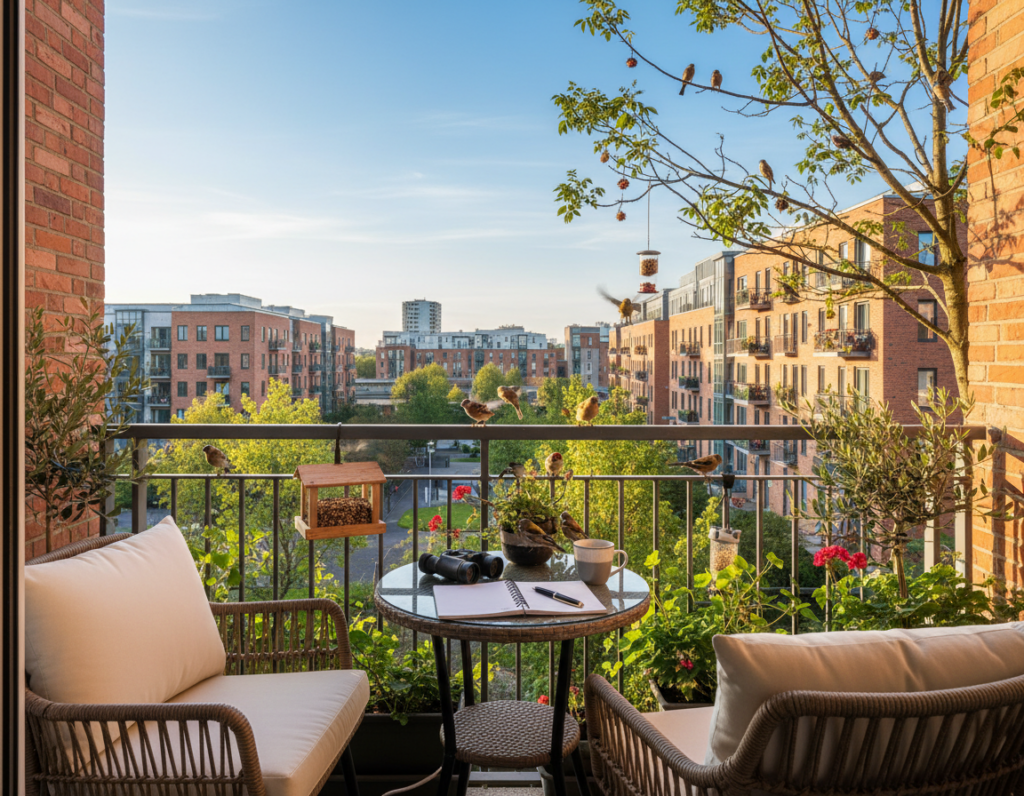
Elevation and shelter matter. A higher balcony offers safety from ground predators and can act as a nesting site. At the same time, cluttered railings, constant noise, or heavy foot traffic will push most species away.
Factors That Draw Birds to Your Space
- Quiet, sheltered ledges: According to Evaldas Jančiauskas of Civinity Namai, pigeons often pick an apartment balcony as a quiet place for nesting.
- Food and seed: Leaving crumbs or seed out can attract wildlife, but feeding pigeons is regulated and can result in fines.
- Native plants: Small planters with native plants supply natural food and shelter and make the space more inviting.
The Role of Elevation and Shelter
Higher positions give a sense of safety. Yet if a balcony feels crowded, the same height becomes irrelevant.
“Pigeons seek safe places to build nests during warmer seasons,” said Evaldas Jančiauskas.
Common Challenges and Health Risks Associated with Urban Birds
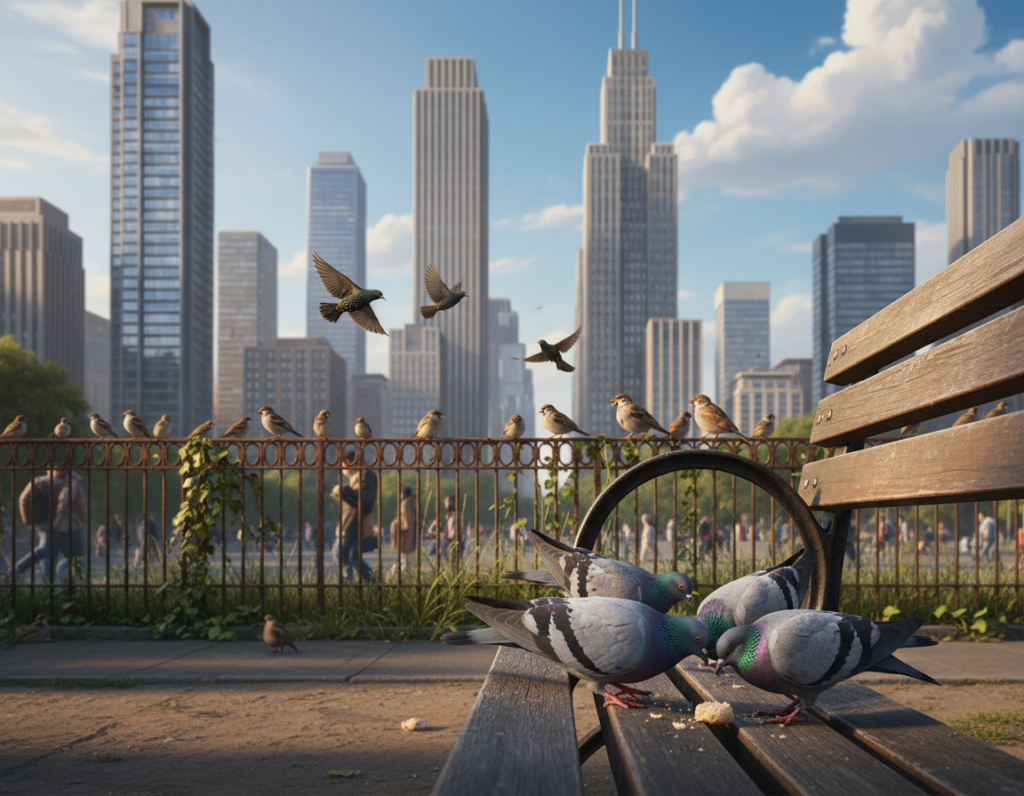
When pigeons gather in numbers, health and property concerns quickly follow. Large flocks can leave heavy droppings that damage surfaces and create unsanitary conditions on a balcony or ledge.
The National Health Centre warns that pigeons may spread ornithosis, a disease that can cause pneumonia in humans. This makes prompt action important for anyone with regular bird activity near living spaces.
- Health risk: Droppings may contain bacteria and parasites linked to respiratory illness.
- Property damage: Accumulation erodes surfaces and stains outdoor furniture and railings.
- Nuisance: Constant noise and nesting near a bedroom window disrupt sleep and comfort.
- Professional help: For persistent infestations, call (647) 325 9060 to reach bird control experts.
Managing pigeons proactively keeps shared places cleaner and safer. Quick, targeted steps protect both residents and the building.
Effective Strategies for Deterring Unwanted Guests
A mix of simple fixes and targeted tools helps reclaim outdoor space from persistent pigeons. Quick action reduces health risks and preserves a private balcony for regular use.
Physical Barriers and Deterrents
Install spikes or netting on railings to stop perching and nesting. Evaldas Jančiauskas recommends bird spikes and reflective strips to discourage pigeons without harm.
Netting works well for larger openings and keeps droppings out of sensitive areas.
Environmental Modifications
Remove easy food sources like seed and crumbs. Keeping the area clean prevents repeat visits and cuts the attraction for urban birds.
Trim or remove plants that offer shelter. A less cozy space is less appealing for nesting.
Professional Intervention
When problems persist, professionals provide humane exclusion and long-term fixes. They can secure railings, treat recurring mess, and advise on safe products.
“By combining deterrents, residents can create a less hospitable environment for pigeons and reclaim their balcony,” said Evaldas Jančiauskas.
- Remove food and seed regularly.
- Use spikes, netting, and reflective materials.
- Call experts for chronic issues; they offer tailored, humane solutions.
For a practical how-to on protecting a small outdoor space, consult this concise guide on keeping railing areas clear: balcony protection tips.
Creating a Safe and Bird-Friendly High-Rise Environment
High-rise residents can create inviting garden spaces while protecting visiting wildlife and preventing window collisions. Simple grouping of containers makes a secure place for small species to rest and feed.
Preventing Window Strikes
Glass strikes kill about 1 billion animals each year in the United States. Visible treatments break up reflections and give flying life time to see glass.
Practical tips:
- Group planters to form a compact garden that offers shelter and reduces mess.
- Place a window feeder like Emily Voigt did on the 25th floor to observe safely from inside.
- Use decals or patterned films so glass is clearly visible and collisions drop.
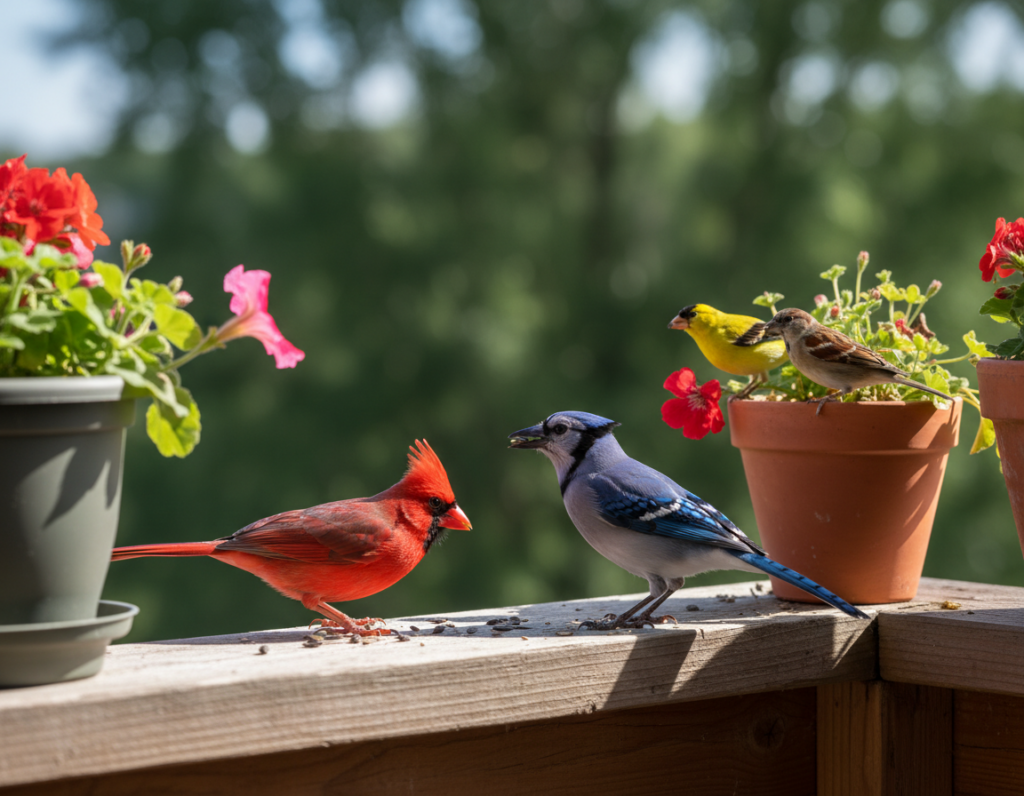
- Follow Lynn P.’s lead: offer hulled sunflower seed and fresh water to attract and sustain visitors.
“A well-managed container garden lets residents enjoy nature without risking harm to visiting creatures.”
Conclusion
, A few targeted steps will keep a balcony clean and restore peace to shared outdoor space.
Maintaining a tidy area and removing food cuts attraction for pigeons and other wildlife. Understanding why visitors come lets residents choose humane, effective fixes.
If issues persist, residents in Toronto can contact Icon Bird for professional help. A timely call secures long-term results and protects property.
Small changes — such as clearing crumbs, adding deterrents, and using window treatments to prevent strikes — improve safety for both people and bird life. Act now to keep your outdoor space calm and usable.