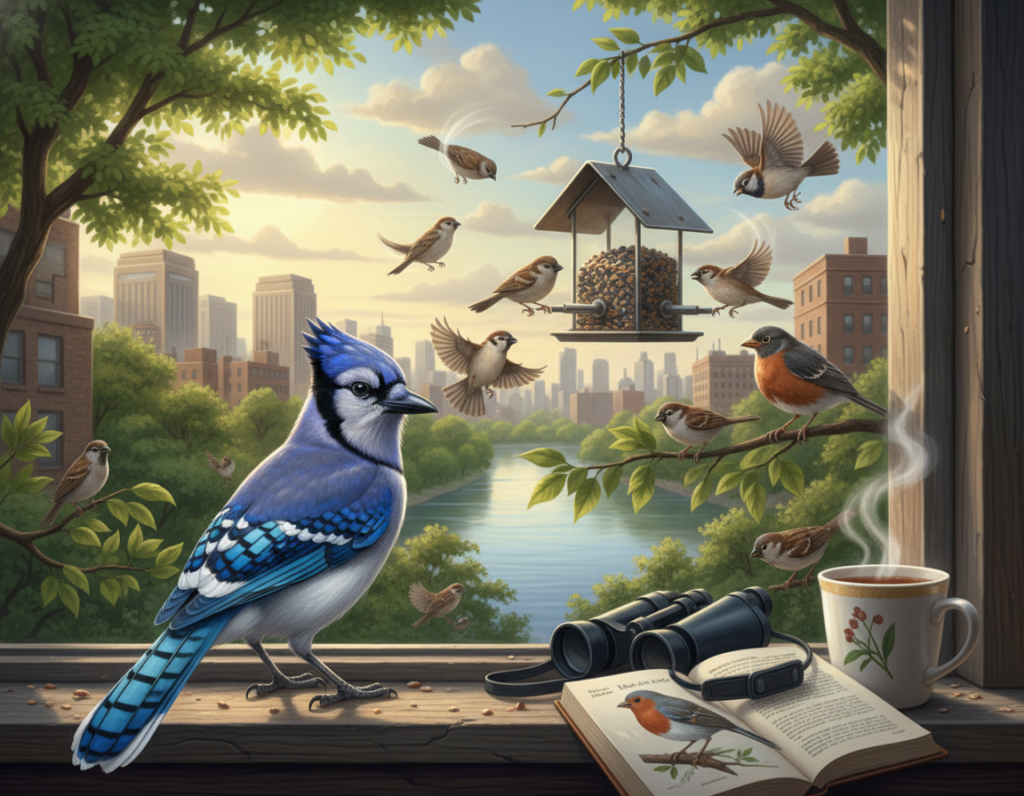
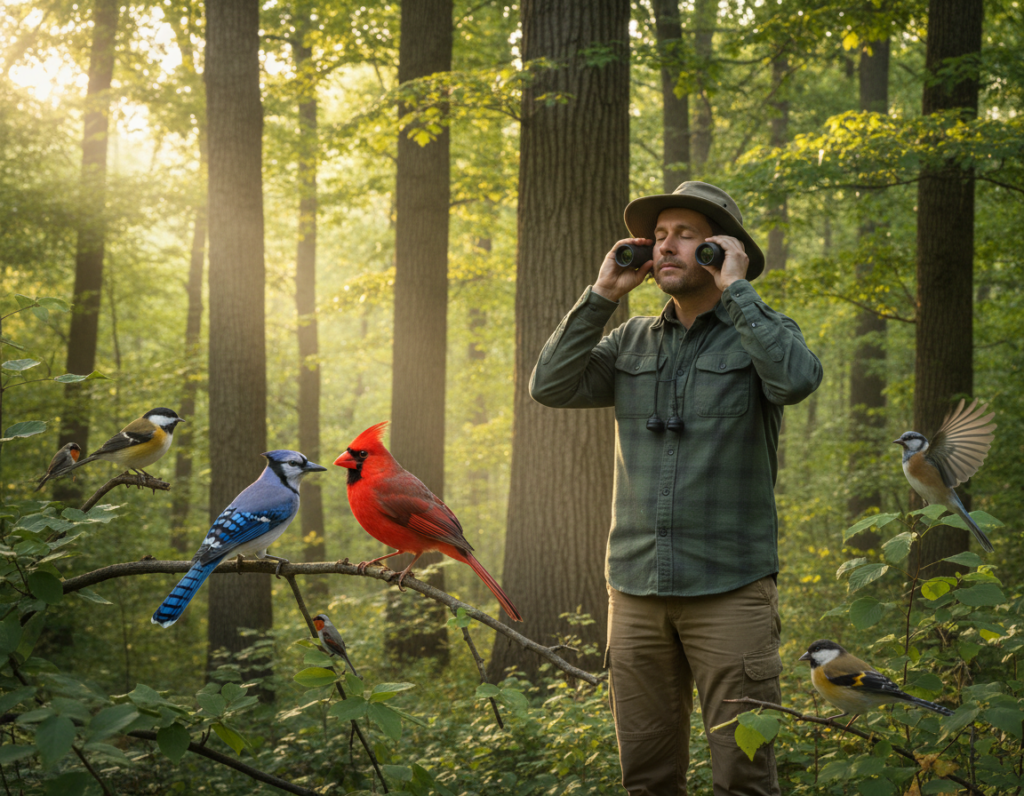
The rise of digital tools has changed how people approach bird identification in cities. With over 45 million Americans taking part in birding as of 2024, demand for fast, reliable ID tools has grown.
Modern image matching systems let birders capture a photo and get instant species suggestions. This speeds up field work and reduces time spent flipping through a paper guide.
These systems combine classic features — photos, sound cues, and location data — with smart algorithms. The result is a smoother, more accurate experience for both beginners and expert birders.
By leveraging advanced recognition technology, users can distinguish similar-looking species that once caused frequent misidentifications. The tools also add interactive data and sightings information to enrich each outing.
The Evolution of Bird Identification Technology
Printed field guides once weighed down backpacks, but modern tools have moved identification into pockets and onto phones.
Early naturalists relied on close observation, sketches, and long notes. Those methods taught careful study, but they were slow and not easy for casual observers.
Today, a single app can give near-instant suggestions while someone works in the field. This speeds up confirmation and helps users learn on the spot.
The shift to digital platforms has broadened access to ornithological data. More people can record sightings and share observations that support conservation and research.
As guides improved, birders began spending less time flipping keys and more time watching behavior. That focus helps build better datasets and deeper local knowledge.
- From heavy books to pocket tools.
- From sketches to fast automated checks.
- From expert-only records to public participation.
How Bird Image Recognition Apps Work
Modern field tools blend visual and acoustic analysis to speed reliable species identification. These systems run on two main engines: visual classifiers and audio models.
Computer Vision Models
Computer vision analyzes millions of images to spot plumage patterns and shapes. The Cornell Lab of Ornithology trains these models with verified photos and sightings data.
When a user snaps a photo on their phone, the software compares key features to known species records. That process produces ranked suggestions so users get quick, useful results.
Machine Learning for Audio
Machine learning converts recordings into spectrograms. The system then matches song patterns against large libraries of verified recordings and bird sightings.
This audio feature helps separate lookalike species that sound different. By adding location and date, the platform narrows likely candidates across North America.
- Merlin Bird ID — developed by the Cornell Lab, it has over 10 million downloads.
- The lab updates algorithms regularly to keep identification accurate for users.
- Combining photo, audio, location, and date gives the most reliable way to identify birds in urban settings.
Essential Features for Accurate Species Identification
Accurate field identification depends on noticing a few key physical clues that many observers miss.
Size, bill shape, and color patterns are primary markers. Noting the wing or head contrast narrows the list fast.
Silhouette and posture matter just as much. Observers who note stance and flight shape reduce misidentifications on quick encounters.
Advanced tools and a good guide prompt users to add behavioral notes. For example, whether the animal forages on the ground or gleans in foliage helps refine results.
- Habitat context: urban parks, rooftops, or waterfronts filter likely species.
- Behavior: feeding style and movement offer clues beyond plumage.
- Field checklist: a short trait list — size, bill, color, posture — speeds verification.
Digital aids act as a compact guide, reminding birders to combine visual, behavioral, and habitat cues before confirming identification. This method improves accuracy during urban birding outings.
Best Bird Image Recognition Apps for Urban Birders
A handful of field-ready platforms dominate how urban observers confirm species on the go. Each brings different strengths for quick verification, offline use, and rich reference material.
Merlin Bird ID
Merlin Bird ID is the gold standard for many users. It reaches an 85% accuracy rate for north american species and pairs photo and sound features to give fast suggestions.
Free and regularly updated by the Cornell Lab Ornithology, Merlin supports regional packs so field work stays effective when offline.
Audubon Bird Guide
The Audubon Guide offers a robust, free database of over 830 species with range maps and audio recordings. For a curated list of tools, see the best apps for birding.
Range maps and clips help users narrow likely candidates by location and season.
iBird Pro
iBird Pro targets serious hobbyists who want detailed illustrations and advanced search filters. Priced around $14.99, it covers over 940 species and includes packs for offline use.
All three tools compare photos and audio against verified data to improve confirmation of bird sightings in urban settings.
- Merlin: free, high accuracy, photo + sound.
- Audubon: large reference set, maps, audio.
- iBird Pro: premium detail, offline packs, deep search.
Mastering Field Photography for Better Results
A few simple camera habits help even novice observers generate usable photos for identification tools. Clear, well-composed shots cut down guesswork and speed accurate results for urban birding outings.
Optimal Camera Settings
Frame the subject: the target should fill about 20–50% of the frame. This balance preserves context while giving the software details on plumage and bill size.
Use a fast shutter: choose high shutter speeds to freeze motion. Fast settings help capture sharp photos of flitting birds and wings in flight.
Mind the light: shoot with the sun behind the photographer when possible. Bright, even lighting reveals color patterns that aid identification and recognition.
- Take several photos from different angles to show bill shape and posture.
- Zoom or move closer rather than crop heavily; sensor detail matters.
- Use burst mode for active subjects to increase usable frames.
Practice these techniques and a smartphone becomes a powerful field guide. Better photos mean higher identification accuracy and faster confirmation by apps and human guides alike.
Leveraging Audio Analysis for Similar Species
Recording dawn choruses produces clean data that modern systems use to match species by vocal traits. For best results, observers should make recordings between 5:30 AM and 8:30 AM, when background noise is lowest and songs are clearest.
Audio analysis converts field recordings into spectrograms — visual maps of frequency and duration. Systems then compare those patterns to reference libraries to suggest likely matches.
This method shines when two species look alike but sing differently. Real-time processing in many apps gives immediate feedback, which helps confirm secretive or canopy-dwelling birds that stay out of sight.
- Spectrogram matching reveals subtle phrase differences a human ear might miss.
- Early-morning recordings reduce traffic and wind noise, improving accuracy.
- Sound data complements photos and observation notes to strengthen identification.
Using audio is now a core skill in modern birding, especially in dense urban foliage or poor light. It turns brief, partial encounters into confident identifications for both casual users and researchers.
Contextual Clues to Improve Identification Accuracy
Contextual signals from time and place make identification far more reliable than visuals alone. Modern tools pair location, season, and behavior to reduce unlikely matches and speed accurate bird identification.
Geographic Range Filters
Range filters automatically remove species that do not occur near the user’s coordinates. This reduces false leads and shortens the candidate list.
When an app links GPS to verified sightings and regional data, the system only shows plausible species for that range and date. That helps birders avoid misidentifying rare or vagrant species.
Habitat Context
Habitat metadata—wetland, urban forest edge, rooftop, or waterfront—further narrows options by matching likely preferences.
Behavioral notes such as feeding style or flocking patterns act as extra verification. Combining habitat, range, and seasonal data gives a practical guide for field confirmation.
- Range + season: refines migration probability.
- Habitat match: filters species by preferred environment.
- Behavioral cues: confirm identities beyond visual traits.
Comparing Common Urban Bird Lookalikes
Urban observers often face confusingly similar species at short range, making side-by-side comparison essential.
House Sparrow vs. Song Sparrow: size and overall color give the first clue. The Song Sparrow shows streaked breast markings and a central spot, while the House Sparrow appears plainer and chunkier.
Modern apps assist by showing paired images and offering ranked suggestions. Users can compare photos and note subtle color patterns and bill shape to narrow choices.
Red-tailed Hawk vs. Cooper’s Hawk: look for tail shape and relative size. The Cooper’s has a longer, banded tail and slimmer profile than the broad-tailed Red-tailed.
When visuals are ambiguous, short audio or sound clips help. Simple recordings reveal distinct song phrases or calls that do not overlap between species.
- Use size, color, and breast marks as primary checks.
- Compare paired images and suggestions from a trusted tool.
- Add audio or habitat notes to confirm tricky IDs.
With these steps, urban birders in North America can resolve many lookalikes confidently and quickly.
Integrating Citizen Science into Your Birding Routine
Citizen science platforms let casual observers turn everyday sightings into data that supports large-scale research. They fit into short field sessions and into longer outings with equal ease.
Contributing to Global Databases
Platforms such as eBird connect local notes to projects run by the Cornell Lab. When users log sightings with a phone, their entries feed regional and North American datasets.
Photos and audio uploads improve future identification and help refine algorithmic features like range filters and habitat tags.
- Submit quick field checklists to add verified data for migration and population studies.
- Attach a short photo or sound clip to strengthen each sighting record.
- Use regional packs and location filters to keep reports accurate and useful.
For birders, this collaborative way of learning delivers real-time information about rare sightings and habitat change. It also returns value: aggregated reports give users better guides, improved recognition features, and smarter suggestions in the app.
Ethical Considerations for Responsible Birding
Good stewardship balances curiosity with clear limits on close approaches and sound use in the field.
Never approach nests too closely. Disturbance can make adults abandon eggs or nestlings. Observers should keep a respectful distance and use optics to study behavior without interference.
When using an app to identify birds, limit song playback during breeding season. Excessive playback stresses territorial birds and can disrupt nesting.
Prioritize welfare over a perfect photo. A clear shot is not worth risking a nest. Ethical field work puts wildlife first and documentation second.
“Responsible birding protects populations while keeping learning opportunities open.”
- Keep distance and use binoculars or a zoom lens.
- Use playback sparingly and only when it will not harm nesting birds.
- Follow local rules and respect private property and protected areas.
By following these standards, birders help ensure that reporting and identification remain safe, reliable, and sustainable for future observers and for the birds themselves.
Conclusion
Today’s tools help observers turn quick sightings into verified records with minimal effort. Modern digital aids made identification faster and more reliable for casual users and researchers alike.
Platforms such as Merlin Bird and a good bird app provided concise information that supported learning in the field. Combining careful notes with digital feedback improved accuracy for many species and enriched the overall experience.
Looking ahead, continued development will expand coverage and refine suggestions. The result is a practical bridge between curiosity and conservation that helps protect local species and deepen public engagement.