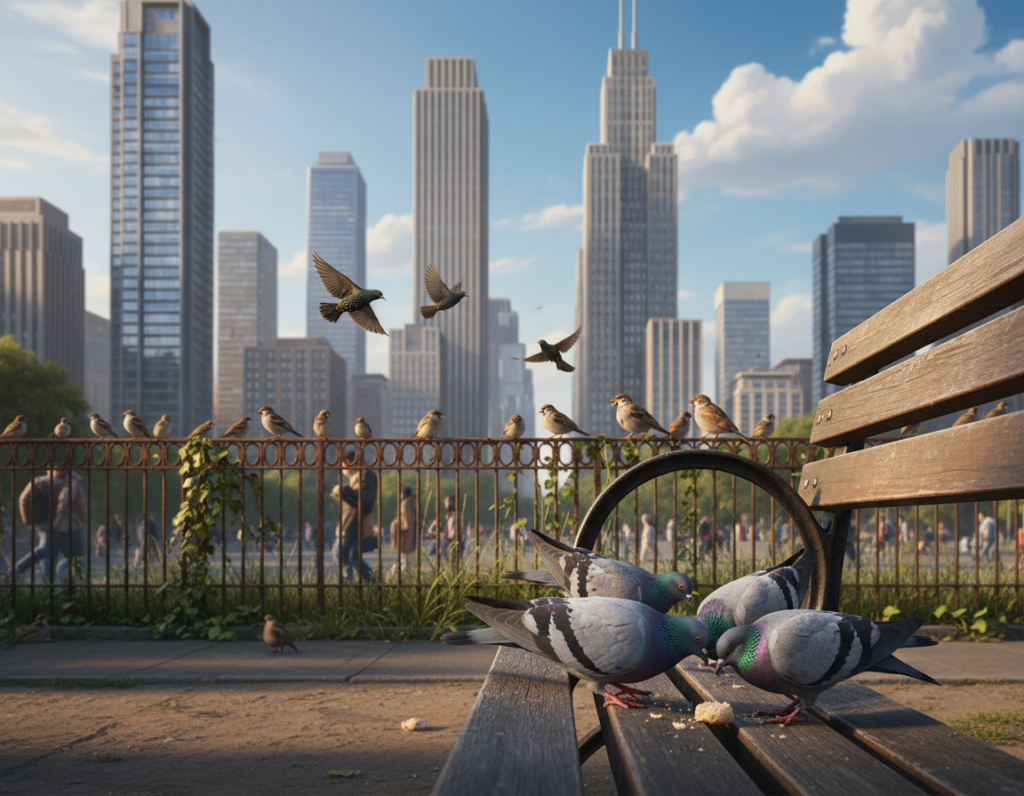
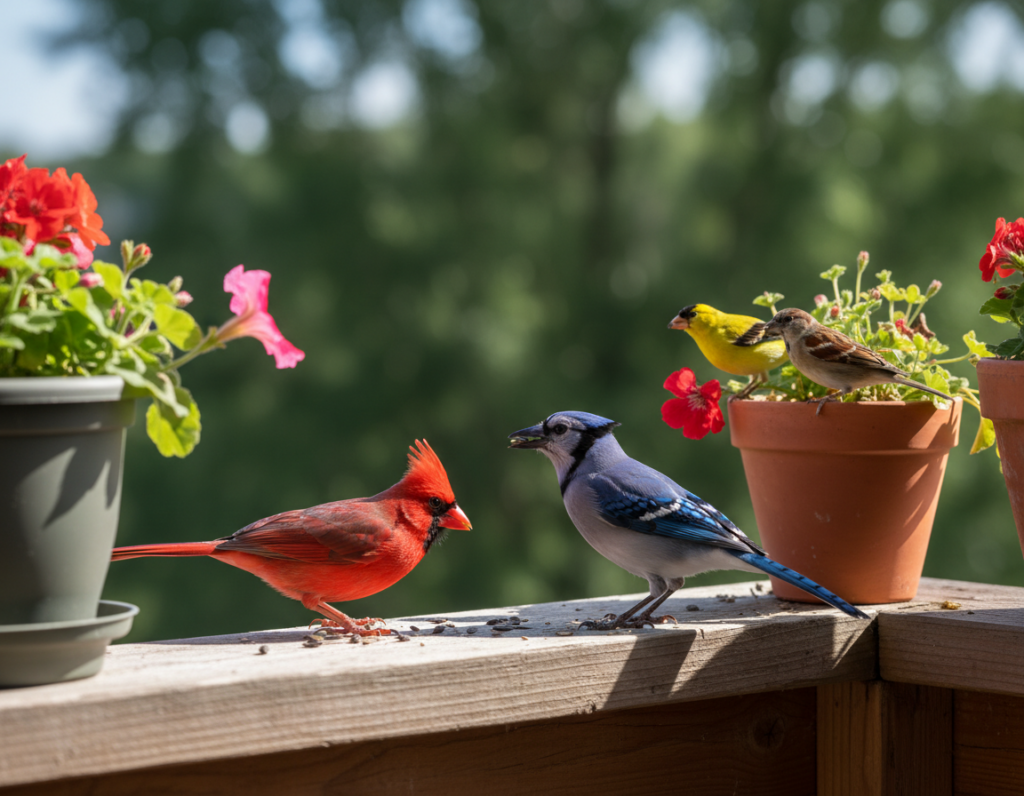
Understanding how weather shapes the birds around a home offers a simple route to connect with nature. As seasons shift, the mix of species near a city yard changes, and each day can bring a new visitor. Watching these patterns helps people learn why birds arrive and when.
Travis Bonovsky’s spring record of a Palm warbler shows how migration shifts the birding scene. Millions of birds move each year to follow food and nesting chances. This movement alters which bird and which species appear in a given place over the year.
Whether a beginner or an expert, checking yard changes makes local wildlife easier to read. Readers can learn more about migration risks and drivers by visiting how migration is shaped by weather and.
Understanding Seasonal Urban Birdwatching
A quick walk through a city refuge reveals how birds reshape daily life across the year. The John Heinz Urban National Wildlife Refuge, founded in 1972, is a clear example of how cities support diverse wildlife and species.
Engaging in seasonal urban birdwatching allows people to find nature amid busy streets. Early morning visits often yield the most activity, when many bird calls and displays occur.
To start, carry lightweight binoculars and use a reliable birding app or field guide. These tools speed up identification and help track habits in different city areas.
- Look in parks, gardens, and wetlands to find varied species across the year.
- Observe how birds adapt life cycles to rooftops, trees, and other built areas.
- Keep notes on sightings; small records build a clear way to follow change.
Exploring local areas shows that even tight green pockets sustain bird life. Regular visits train the eye and deepen appreciation for urban nature.
Winter Birding in the City
When temperatures drop, a small patch of backyard can become a vital stop for hungry birds. In places like Fairbanks, Alaska, cold and snow push observers to focus on clues rather than abundance.
Essential Tools for Cold Weather
Provide steady food and liquid water. Add an electric deicer to a birdbath so birds find open water every day.
Keep feeders clear of snow and ice and refill often to give local wildlife a reliable food source.
Using a Dokoo Smart Bird Feeder Camera and a quality birding app helps identify visitors from inside a warm home.
Identifying Irruptive Species
Look for irruptive species such as pine siskins or redpolls. They appear when food is scarce elsewhere and offer a rare chance to learn new species.
“Patience in winter rewards the observer—hardy birds show survival skills that teach the rest of us.”
- Keep feeders cleared and close to cover.
- Scan with binoculars and use an app at the window.
- Record sightings; small notes build a clear way to follow change.
The Arrival of Spring Migrants
Each spring, a steady procession of migrants paints the morning sky with new shapes and songs. Prime Hook National Wildlife Refuge in Delaware illustrates this shift well; it hosts more than 308 species as birds pass through. This stopover shows how important safe sites are during migration.
Creating Safe Environments for Nesting
Spring migration is a time of constant change. Birds descend from the sky to decorate the trees in a nearby park or backyard. Early morning birding yields the best chance to hear and see migrants near water and wetlands.
Prepare houses about 5 feet high on a pole in an open spot. Use cling decals on windows to cut collisions during this busy time. Offer soft nesting materials in a mesh bag or a suet cage to help species build nests.
- Mount birdhouses on poles, away from dense cover.
- Place fresh water near shelter for thirsty migrants.
- Keep feeders tidy to support nesting birds without attracting predators.
By making small changes, a city yard can become a welcoming stop. That encourages migratory species to nest and lets observers study their behavior through the season.
Summer Breeding and Fledgling Activity
Summer brings loud, busy days as parent birds teach fledglings to move through trees and find food. This is prime time to watch nesting behavior along the John Heinz 3.5-mile Wetland Loop or a small backyard patch.
Identifying Juvenile Birds
Young birds often look rumpled or have shorter tails and a spotted chest. Watch for frequent wing-flapping and begging calls—these are clear signs of juveniles.
Supporting Nesting Parents
Parents need steady food and quiet places to raise chicks. Keep feeders stocked and place shelter near trees so adults can feed young without long flights.
“A calm yard and reliable food give nesting pairs a better chance to raise healthy young.”
Managing Bird Feeders in Heat
Clean feeders often and keep fresh water in a shaded birdbath. Heat raises the risk of spoiled seed and disease, so change seed and water daily on hot days.
Observe birds from your window to avoid disturbing nests. For information on helping grounded chicks, see how to help baby birds on the.
- Tip: Position feeders away from predator cover.
- Tip: Offer shallow water for drinking and bathing each morning.
- Tip: Note species and behavior to track growth through the season.
Fall Migration Patterns and Habitat Shifts
Fall skies fill with movement as raptors and smaller migrants begin long southward flights. Hawks ride thermals and many other birds cut across the city seeking safe routes and rest.
Hawk Mountain Sanctuary is a premier stop along the Appalachian Flyway where observers often spot northern harrier and other raptor species. That concentration offers a clear view of migration mechanics and timing.
Backyards with berry-producing trees and shrubs give vital food and water for birds preparing to fly. Small parks and sheltered green patches become favored spots as weather cools.
Note habitat shifts: many species move from open fields into protected park areas to find shelter. Watching these changes gives a better chance to see varied species and behaviors.
- Keep a simple log of species seen to predict patterns next year.
- Place feeders and water where birds can shelter nearby.
- Use practical tips to time visits during peak migration hours.
“Observing fall movement sharpens understanding of where birds go and why they choose a route.”
Conclusion
Watching yard visitors across the year teaches clear lessons about how weather shapes bird life. This guide shows a simple way to connect with nature in a busy city.
By noting changes in food, water, and shelter, an observer can learn why certain species arrive at a given time. A strong, lasting habit of watching helps people spot patterns and support local wildlife.
Spend a day each week recording visitors, try basic birding tools, and adjust feeders to match seasonal needs. Even a small backyard can become a haven.
Over the year, those steady efforts reveal the rich world of birds and encourage care for the species that share the city.