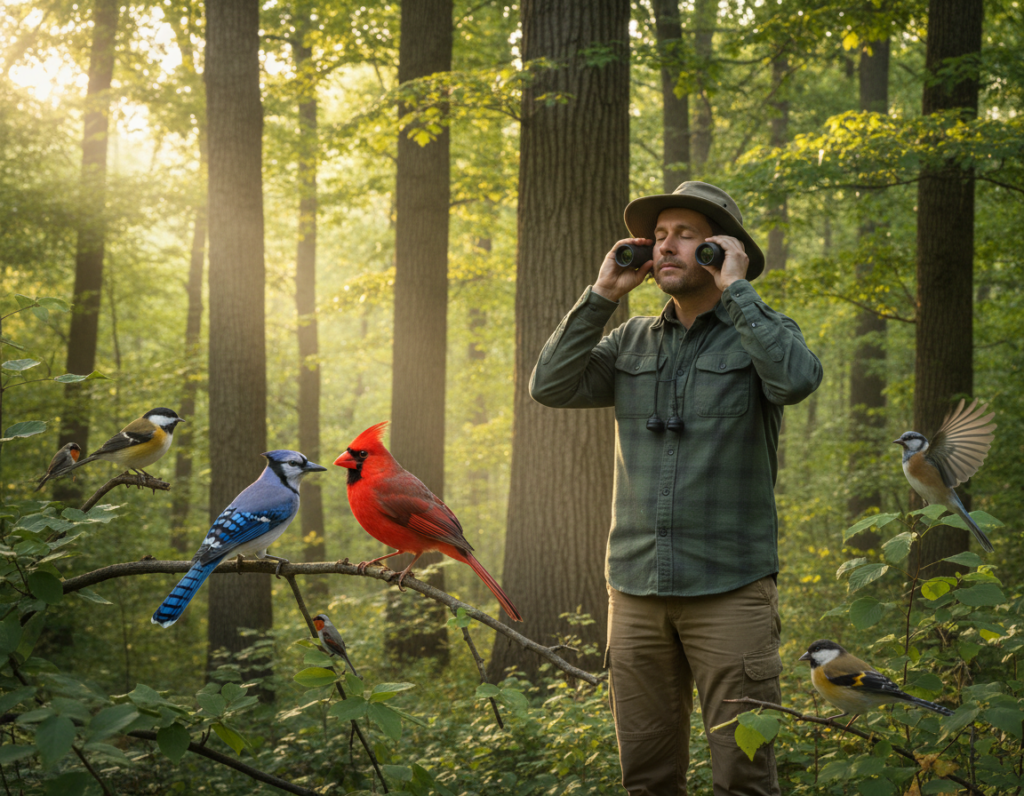
This guide shows how modern apps and steady field practice combine to build real skill. They will find a structured path that turns casual interest into reliable, repeatable results. The approach is practical and grounded in routine observation around home and work.
By pairing smartphone tools with daily notes, users gain clearer patterns in plumage, calls, and behavior. Consistent practice sharpens sight and ear, and the apps provide quick reference and offline guides. This balance helps observers feel confident in varied habitats across the United States.
Professional techniques matter: logging sightings, using range maps, and comparing field marks. For app choices and features that support steady progress, see a practical review of top tools here. Each step in this article helps readers set achievable goals and measure improvement.
The Foundations of Modern Birdwatching
A steady foundation in modern field study begins with habits that reinforce clear observation and reliable records. Establishing this base mirrors how 12,000+ customers rely on professional platforms to sharpen skills.
Treat the pursuit like a small, practical school. Routine study of habitat and behavior brings measurable results in weeks and months, not vague hopes.
Online programs helped 40,000 students progress in under a year, showing that focused time pays off. Observers who tap into vetted tools gain compact, usable knowledge they can apply on walks and at feeders.
Engaging with recognized experts speeds skill gains. Short mentorship, field workshops, or community feedback expose patterns that solo study misses.
- Commit to daily notes and short review sessions.
- Use guided resources to confirm uncertain observations.
- Make watching part of everyday life to see seasonal shifts in the wider world.
How to Learn Bird Identification Faster with Mobile Apps
Mobile tools now place field‑grade reference and photo analysis in the palm of every observer. These options act like a compact school, giving structured paths for steady learning and clear results.
Selecting the Right Software
Choosing the right software is a critical first step. Users should review app features, offline maps, and community verification.
Key selection criteria:
- Visual recognition accuracy and update frequency.
- Ability to create custom lists and export contents.
- Active community or a large media presence (some tools link to a 200k YouTube audience).
Utilizing Visual Recognition Features
Visual tools speed pattern recognition by flagging field marks and offering side‑by‑side comparisons.
Students benefit from curated lists of high‑quality apps and from templates that streamline note taking. Over 50+ designer-made templates help users set up consistent workflows.
Practical tips:
- Use templates to track season, location, and plumage notes.
- Cross-check results with expert-curated lists before finalizing records.
- Keep samples of photos and audio in one app for easy review over a year.
Establishing a Daily Observation Routine
Allocating consistent minutes every day trains the eye and ear to pick out distinguishing field marks. A short, regular practice builds confidence and makes note taking feel natural.
Small, repeatable steps produce steady progress. Begin with one fixed time slot each morning or evening. Keep sessions brief so they fit into daily life and remain sustainable.
Creating Consistent Field Notes
Good notes turn moments into data. Observers should record the date, location, and a quick list of visible features. This record captures the contents of each sighting for future review.
“Consistency in notes is the backbone of measurable improvement.”
- Dedicating specific time builds the muscle of attention and memory.
- Maintain a detailed list of sightings to track migration and habitat use.
- Use organized lists by size, color, and behavior to simplify tough views.
- Regular work documenting observations creates useful records for science and community projects.
- Consistent documentation will help anyone aiming to refine skills and contribute data.
Leveraging Community Knowledge and Expert Resources
Working alongside other enthusiasts and specialists produces clearer results than solo effort. Engaging a local community mirrors collaborative work seen across 25 towns and 24 school districts. This networked approach brings practical knowledge and faster confirmation of tricky sightings.
Just as 1,000+ businesses share resources to grow, observers benefit from community-led lists and pooled data. Students and hobbyists gain by comparing notes and the contents of field records with seasoned mentors.
- Join a local club or online forum to access regional expertise.
- Attend group outings to receive live coaching from trusted experts.
- Use shared checklists to verify uncommon records and refine personal lists.
“Community review improves accuracy and turns observations into useful science.”
Submitting sightings and contributing to community data, including resources like this regional study, helps everyone track changes over a year. Collective work builds confidence and stronger, repeatable results.
Overcoming Common Identification Challenges
A methodical routine turns confusing glimpses into reliable records. When field views are brief or features overlap, a small set of checks can reduce doubt and improve accuracy.
Distinguishing Similar Species
Observers should use a compact diagnostic list to compare key traits. Focus on beak shape, wing bars, tail pattern, and posture.
Note: Photograph multiple angles when possible. Those images make side-by-side review simple.
Understanding Seasonal Plumage Changes
Seasonal plumage is difficult work and often causes misreads. Use field guides and dated photos to confirm changes across months.
Track molts and juvenile patterns in notes to avoid repeated mistakes.
Interpreting Vocalizations
Vocal cues are among the best options for locating hidden birds in dense cover.
Consult regional lists of calls and test audio-analysis apps when vision fails.
- Compare multiple regional lists by time of year to narrow suspects.
- Use call-analysis tools for extra help when visuals are weak.
- Keep short notes on uncertainty so future review can resolve tough views.
Tracking Progress and Long Term Skill Development
Keeping a year-long log turns brief sightings into measurable progress. Recording date, location, and key notes makes improvement clear over time.
Structured tracking mirrors how students in four magnet schools and two specialized schools show steady gains. In some programs, focused practice produced a 15% score increase after regular reviews.
Consistent learning brings cumulative benefits. Set monthly goals and compare entries to see patterns. Mark highlights and recurring gaps to guide future sessions.
“Documenting small wins turns casual observation into verifiable results.”
- Track entries across the year to measure real change.
- Share notes with experts during events like 2027 Teacher Appreciation Week for targeted feedback.
- Use simple metrics—counts, accuracy notes, and confidence levels—to chart progress.
- Reflecting on past records deepens practical knowledge and sustains long-term growth.
Conclusion
A structured blend of short field sessions and app‑assisted review produces lasting, practical expertise.
Students find this approach both practical and rewarding. With steady practice over a year, most see clear gains in accuracy and confidence.
Working with local experts and community groups deepens knowledge and adds real‑world feedback. Each observation becomes part of a growing record that links personal progress to the wider world.
Stay curious, keep documenting your findings, and treat each outing as a small lesson. This process can enrich daily life and help anyone contribute useful data to science and conservation.