Observing local wildlife from the comfort of a home window can be both calming and rewarding. With the right setup and a calm demeanor, a person can enjoy close views during the breeding season while keeping the animals safe and stress-free.
The key is to learn how to approach the glass quietly and to use steady patience. Placing feeders and perches at a consistent time helps the animals learn that the area is safe. A simple camera on a tripod and soft movements will improve the chances of clear photos.
People who spend time practicing stillness often get close sightings and capture feeding behavior without prompting flight. For practical tips and step-by-step guidance, see this helpful bird watching guide.
Respecting habitat, avoiding sudden moves, and keeping quiet are the simplest rules. They let observers enjoy nature and protect fragile nests during a busy day in spring.
Understanding Bird Behavior and Sensitivity
Many species keep a constant watch for danger, so observers must learn common cues of alarm. Birds evolved to detect threats quickly; about 1,000 predators prey on them. This explains why birds naturally react fast when something moves nearby.
Why birds are naturally wary
People are often seen as potential predators. Because of that, it can be hard to get close without triggering flight. A standing human is particularly noticeable and may register as a threat.
Recognizing bird body language
Pay attention to subtle changes in posture. If a bird freezes, raises its head, or stops feeding and stares, it likely has your attention.
- Constant vigilance means small motions matter.
- Eye contact or fixed staring signals discomfort; pause and remain still.
- Study local species to spot early signs of agitation and adjust your approach.
Learning these patterns helps observers enjoy wildlife while reducing stress for the animals.
Preparing Your Indoor Space to Watch Birds Indoors Without Scaring Them
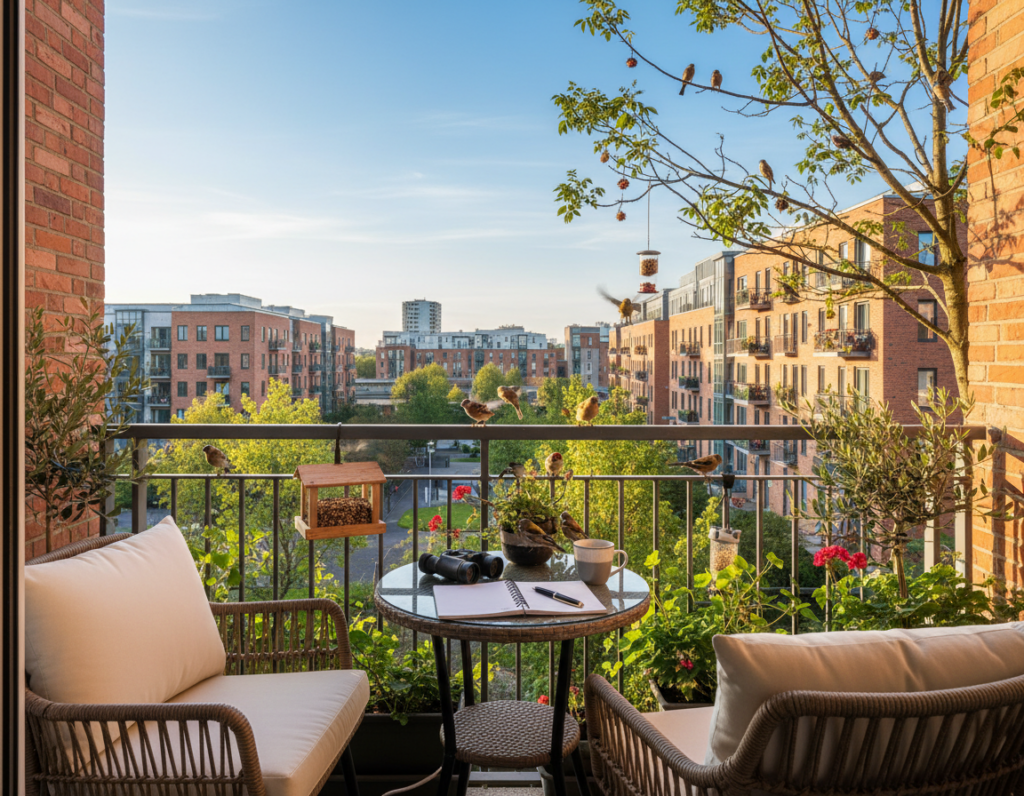
A well-placed window view that faces a feeder or a nearby tree gives the best chance of steady observation.
Select one window that offers a clear sightline to a bird feeder or a favorite branch. Position seating so the observer can sit still for long times. Small, steady moves keep the scene calm.
Make a comfortable corner with pillows and blankets. Soft seating helps sustain the patience needed for long sits. Keep a notebook or field guide handy to log species and food preferences.
- Place a high-quality feeder within sight but a short distance from the glass.
- Consult resources like the two e-books from Nature Canada to ID local species and their preferred food.
- Create a quiet, dedicated space for undisturbed observation sessions.
Consistent setup and minimal fuss reward steady observation and protect local wildlife.
Essential Techniques for Remaining Undetected
Staying hidden requires deliberate, almost ritualized motion and a steady sense of timing. Small choices shape success: attire, noise control, and how one raises a camera all matter.
Moving With Extreme Patience
Slow motion is essential. A pro once spent 20 minutes crouching behind a shrub to avoid alarm. Sometimes it takes up to 5 minutes to lift a camera to the eye without startling nearby birds.
Experts may remain motionless for an hour so the flock accepts their presence and returns to feeding.
Choosing Subdued Clothing
Wearing muted colors helps an observer blend with the scene. Bright clothes can act like a threat and drive animals away.
Minimizing Noise and Sudden Movements
“Move like the world moves: slow, soft, and deliberate.”
Quiet shutters, padded feet, and a stable seat cut sound that attracts attention. Early morning sessions often yield better photos since many birds focus on feeding then.
- To get close, practice raising the camera in measured minutes.
- Try natural cover or a portable bird hide for added concealment.
- Remain calm and let the animals approach at their own pace.
Optimizing Your Setup for Better Bird Sightings
A thoughtful layout of food and water can turn an ordinary yard into a reliable observation spot. Small changes to placement will yield more visits and clearer shots.
Strategic Placement of Feeders and Water
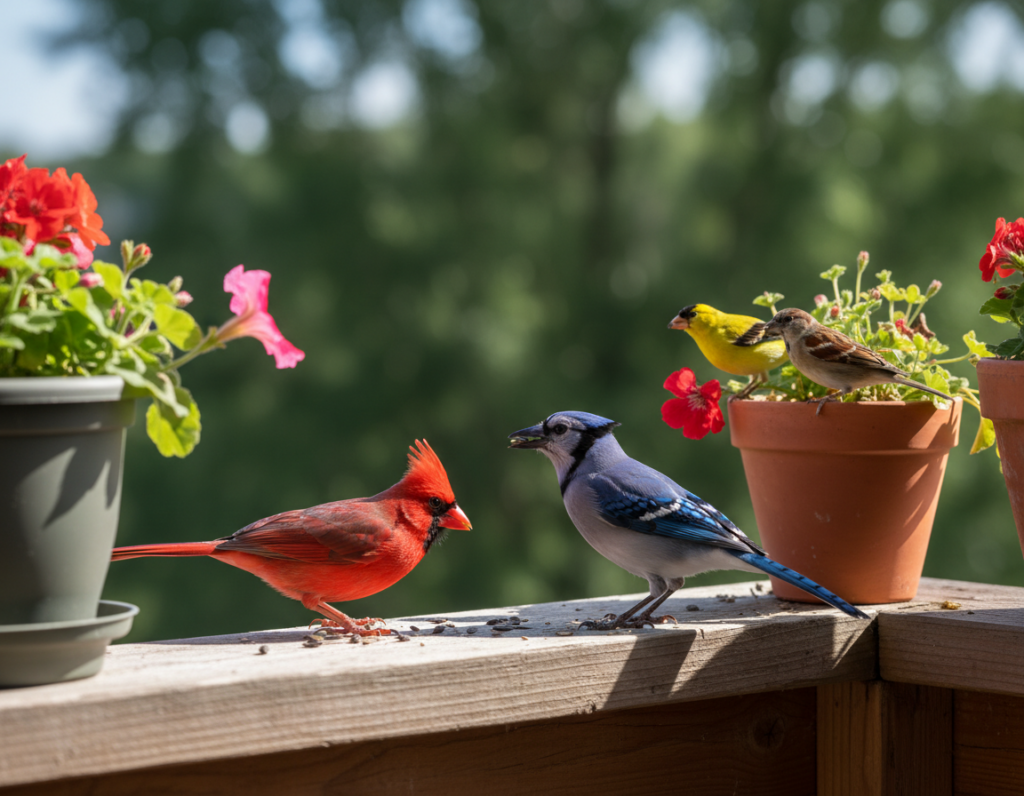
Place a bird feeder near a water source to attract a wider variety of species. Water draws birds for drinking and bathing, and combined with food it creates steady activity.
- Set feeders where flight paths cross, such as near a fruit tree or shrub, to increase the chance to get close.
- When positioning a camera, ensure a clear line of sight to the bird feeder for an unobstructed photo or video shot.
- Pick a reliable spot that birds already use; natural congregation points produce repeatable opportunities.
- Patience pays off: a stationary observer often sees birds land within three feet, offering a prime shot.
- Study the morning routine of local birds to time approach and camera readiness for the best photo moments.
A curious warbler once landed just three feet from a photographer who remained still under a tree. That kind of close encounter comes from good placement, steady patience, and minimal movement.
Conclusion
A calm observer who plans each session can turn routine moments into meaningful wildlife encounters. With steady patience and a respectful approach, people can enjoy the presence of birds and learn about species behavior.
Spending time setting feeders, timing visits, and moving slowly helps an observer get close and keeps wildlife safe. Every bird has a unique personality; one should take time to learn habits and adapt one’s way of observing.
In short: treat observation as a quiet practice. This method lets people watch birds from indoors without scaring them and maintains a peaceful garden for both visitors and residents.