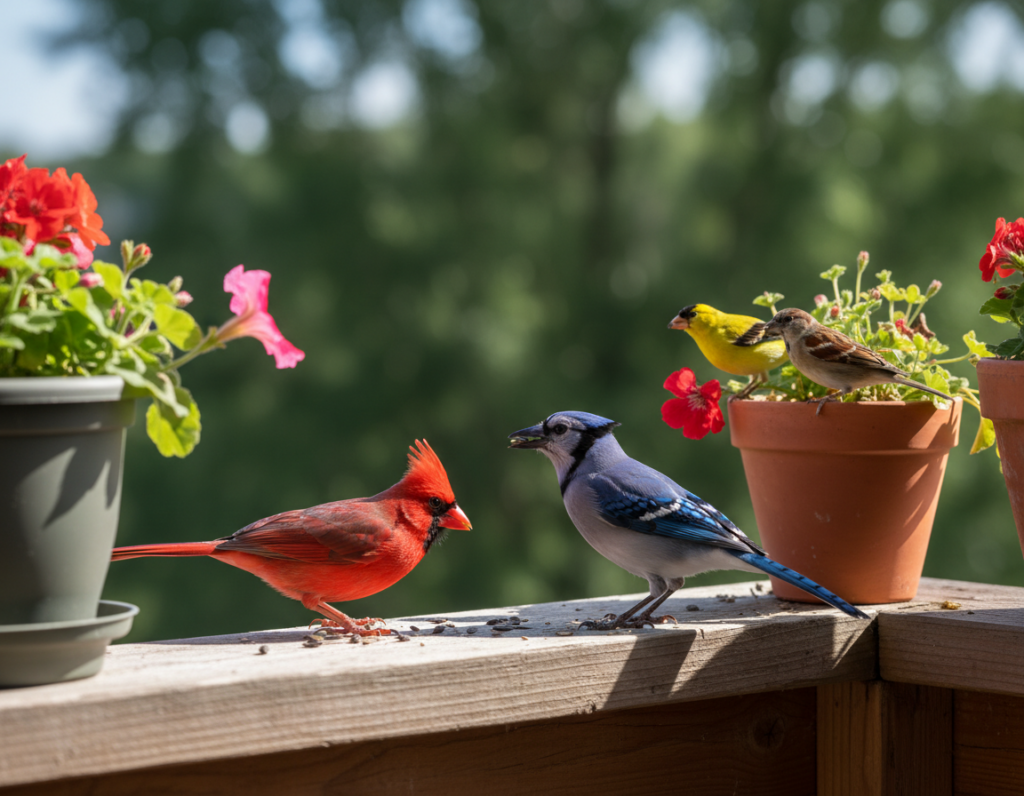
This guide outlines a clear, small set of steps anyone can use to grow their ability to identify birds. It explains how a steady bird observation routine for beginners adds structure and makes learning feel manageable.
By spending a bit of time each morning at dawn, people can notice species such as a downy woodpecker in Lake Clark National Park and Preserve. Using a reliable pair binoculars, field guide books, and helpful apps speeds learning.
Birding becomes a rewarding hobby that ties observation to a personal life list. Other birders and resources like the Cornell Lab help identify birds and track progress over the year.
Practical tips in this guide cover ways to spot common bird species in parks, from window views to local habitats. With consistent practice and simple tools, a novice gains skills and a deeper view of the natural world.
Why Birding is a Rewarding Daily Pursuit
Regular time outdoors with attentive eyes makes it easier to notice patterns in local wildlife. This simple practice turns casual interest into a meaningful hobby that connects people to the natural world.
Watching birds each day offers quiet focus and mental clarity. It can fit any schedule, whether minutes during a coffee break or longer outings on weekends.
Many birders say that identifying species sharpens listening and visual skills. They begin to hear calls and spot movements they once missed.
The activity suits both solitary reflection and social outings. Groups share tips, while solo moments foster calm and concentration.
Over time, repeated attention reveals seasonal shifts and local habits. By focusing on nearby birds and their behavior, one gains a clearer sense of habitat health and how communities change across months.
- Accessible daily
- Improves perception
- Connects to local ecology
Essential Gear for Your Bird Observation Routine for Beginners
Quality gear shortens the learning curve and keeps outings comfortable. A compact set of tools helps a person focus on local birds and calls without distraction.
Choosing the right pair
Entry-level pair binoculars in the $60–$80 range deliver clear views without a big investment. Many retailers, including Amazon, stock models that balance optics and price.
Comfort and fit
Size and weight matter. Light glasses that fit the hands and eyes reduce fatigue on longer walks. Test a few designs to find the best match.
“This simple setup lets users see field marks that are otherwise invisible to the naked eye.”
Quick checklist:
- Decent binoculars at an affordable price
- A practical field guide to confirm IDs
- Comfortable size and grip to extend outings
Investing in a solid pair improves the hobby experience and speeds skill growth in local birding.
Selecting the Right Field Guide for Your Needs
Selecting a compact, region-specific guide saves time and points directly to the birds most likely to appear nearby. In North America, that practical focus helps users learn local species fast.
Printed books offer detailed plates and durable pages that work well in wet conditions. A field guide with a checklist or list of local species helps track sightings on short trips.
Digital apps bring audio, range maps, and quick search tools. Many birders combine apps and books to identify birds accurately in the field.
- Choose a guide that covers your region and common species.
- Start with a simpler guide that highlights field marks and common calls.
- Use both apps and printed books to cross-check difficult IDs.
As skill grows, collectors add specialist books that cover plumage variations, migration timing, and habitat notes. This layered approach keeps learning manageable and effective.
Understanding Binocular Specifications and Magnification
Reading the numbers stamped on binoculars reveals how they change what one can see across a field. A model labeled “10×50” magnifies subjects ten times and uses a 50 mm objective lens to gather light.
The first number shows magnification. The second number names the objective lens size, which affects how much light reaches the eye.
Larger objective lenses let more light in, which improves views at dawn and dusk. This is a practical way to see small details of birds during low-light time.
Weight and size matter. Heavy gear tires the neck and hands during long birding sessions. High magnification can magnify shake, so balance is key.
- Choose binoculars that balance magnification and weight.
- Prioritize an objective lens that suits typical light conditions.
- Practice with optics to improve the ability to identify species and note plumage and behavior.
Developing a Consistent Observation Mindset
Setting a calm, curious tone before each outing makes learning about local species more natural. A steady mental approach helps when sightings are few. It also keeps frustration low and enjoyment high.
Cultivating patience and curiosity
Patience matters. A dedicated birder knows animals do not always cooperate. Keeping a positive attitude matters more than immediate success.
“In any walk with nature, one receives far more than he seeks.”
Practice in the field improves recognition. Small, repeated sessions teach one to spot subtle behaviors and key field marks. Over weeks, those moments add up to real skills.
- Accept slow progress; growth takes time.
- Stay curious; every outing reveals a new life detail.
- Record brief notes to track patterns and wins.
Even quiet outings are valuable. Time spent outdoors builds the focus and habits that lead to long-term success in birding.
Identifying Local Species Through Comparison
Using common yardstick species makes size and shape comparisons immediate and clear. This approach gives a quick scale when a sighting is brief. It helps turn guesses into consistent IDs.
Using yardstick birds
Choose familiar birds such as a robin or sparrow to judge relative size. Hold that mental reference when you see a new species. Size, posture, and overall shape become easier to read over time.
Analyzing physical features
Look at bill shape, wing length, tail pattern, and leg color. These traits often separate similar species at a glance. Note flight style and habitat too; those cues narrow options fast.
- Use a compact field guide to confirm tricky IDs in North America.
- Keep a short sightings list with notes on behavior and plumage.
- Even without a guide, compare size and color against yardstick species first.
“Compare closely; detail is the path to confident identification.”
birding basics can supplement practice with tips and checklists.
Leveraging Technology for Accurate Bird Identification
Digital tools let people match photos, play calls, and check range maps in real time while out in the field.
The Cornell Lab made the Merlin Bird ID app, which helps identify birds anywhere in the world. It analyzes photos and recordings and suggests likely species quickly.
Many birders pair Merlin with traditional books and a compact field guide to confirm tricky sightings in North America. Apps add sound recognition, which trains the ear and speeds learning.
Logging sightings in eBird builds a shared list that helps scientists track populations across regions. This contribution turns casual records into useful data.
Technology also makes this hobby more accessible to people of all ages. Instant access to photos, calls, and maps improves ability to learn and keeps trips efficient.
“Good tools shorten the gap between curiosity and certainty.”
- Use apps and books together.
- Record sightings in eBird.
- Practice with call IDs and quick photo checks.
Finding the Best Habitats in Your Local Area
Using a town map and community reports helps pinpoint where birds gather across the year. Start by marking parks, wetlands, river edges, and any green corridors near homes or workplaces.
Exploring birding hotspots
Visit places where two habitats meet, such as a forest edge beside a meadow. Those transition zones often provide diverse food and water and attract many species.
City parks act as green oases within urban blocks. A short morning walk in a park may reveal migrants passing through in spring and fall.
Use an interactive map tool to find wetlands, reserve boundaries, and walking trails. Check local reports and recent lists to learn which species were seen and when. That saves time and guides outings to high-probability sites.
- Target edges and water sources where birds concentrate.
- Vary visits across the year to catch migration peaks.
- Follow local sightings to plan efficient trips.
Tip: Keep brief notes on each area. Over months, patterns will emerge and make future trips more productive.
Optimizing Your Schedule Based on Time of Day
Scheduling outings around sunrise often yields the most sightings. Activity rises at dawn and many species sing in that gentle light.
Many birders prefer early morning because animals forage after night and are easier to spot. A good pair of binoculars helps during low light and reveals subtle field marks.
Using a region-specific field guide for North America makes identification easier when birds sing at dawn. Avoid midday trips; heat and bright sun often drive activity down and make color and behavior harder to read.
Plan visits around peak activity. Short, focused sessions at first light usually yield a lot more species than longer midday walks. He or she may also use structured time blocks like a Pomodoro approach to keep outings efficient.
“Early light gives a clear advantage: sound and motion combine to make IDs faster.”
- Target dawn and the first hour after sunrise.
- Bring a compact guide and a steady pair of optics.
- Skip noon when birds are less active.
For a practical time management tip, try using Pomodoro-style time blocks to plan short, productive sessions.
Seasonal Patterns and Migratory Movements
Seasonal shifts drive large movements of species across continents and reshape local skies each year. About 75% of bird species in North America migrate, often flying hundreds or thousands of miles twice annually.
Migratory movements peak in spring and fall. Many birders head out at dawn to watch these migrations as flocks travel between breeding and wintering areas.
Migratory movements
These journeys connect people to distant places and show how habitats link across the world. Some species remain year-round while others appear only in certain seasons.
- 75% migrate: most North America species move seasonally to find food and shelter.
- Spring and fall are peak times; mornings often reveal the greatest activity.
- Tracking arrivals and departures refines a life list and improves ID skills.
“Watching migration is a direct way to feel the rhythm of the year.”
By noting seasonal patterns, observers learn which species are common locally and which are passing through. This steady attention keeps people tuned to changing habitats and annual cycles.
Techniques for Blending Into the Natural Environment
Quiet, low-contrast clothing and minimal motion let an observer become part of the scene. This simple change reduces alarms and helps people see more birds at close range.
Stay still. Many birders find that holding position near cover produces longer views than walking a trail. Keep movement slow and deliberate when adjusting gear.
Keep noise low. Soft steps and muted voices avoid startling wildlife. Phones should be silenced and camera shutters used sparingly.
- Wear earth tones and avoid bright patterns.
- Use binoculars carefully to scan without sudden raises.
- Choose a spot with nearby cover and wait patiently.
“Patience is essential; it often takes time for animals to accept a nearby presence.”
Minimize impact by leaving vegetation intact and following path rules. Over time, this respectful approach yields more natural behavior and richer field sightings in the world around them.
Keeping a Detailed Life List of Sightings
A careful log turns scattered sightings into a clear record of progress and patterns. A compact life list helps a birder track which species appear, when, and where. It also makes reviewing past trips quick and useful.
Digital versus paper logs
Digital apps sync across devices and speed uploads to services like eBird. They add photos, GPS, and call clips. Paper books remain reliable in the field and offer a tactile record many people enjoy.
- Sibley Birder’s Life List & Field Diary is ideal for structured notes and personal reflections.
- Apps store timestamps and locations automatically, saving time during busy outings.
- Use both when possible: apps for data, books for notes and sketches.
Recording key data points
Make sure to note the time, date, and exact location. Record the species seen and quick field markings that aided identification.
- Behavior and habitat notes help identify confusing species later.
- Include optics used, such as binoculars and which field guide or apps helped confirm the sighting.
- Consistent updates over the year let birders compare trends across North America and contribute useful data.
“A well-kept list is both a personal record and a small scientific contribution.”
Practicing Birding During Everyday Activities
Small pauses—like a coffee break by a window—can become useful mini sessions to study nearby birds. He or she does not need a lot of time to make steady progress.
Keep a pair of binoculars handy and use a compact field guide or apps to identify species quickly. Short looks while cooking, commuting, or walking the dog add up across the year.
A simple map of streets, parks, and green corridors helps people spot likely locations. Mark a few spots near home and check them during routine errands.
- Scan the yard through a window at set times each week.
- Make brief notes and add new sightings to a life list.
- Carry binoculars so a surprise species can be confirmed on the spot.
“Small, regular moments of attention turn casual views into reliable skill.”
Ethical Considerations for Responsible Birding
Small choices in the park can make a big difference to nesting success and long-term species survival. Ethical behavior protects habitat and keeps people and wildlife safe during critical seasons.
Protecting nesting sites
Never approach a nest. Close approaches stress adults and can cause abandonment. Many protected areas ban interference and may issue fines.
Do not feed wildlife. Feeding changes natural behavior and can spread disease among birds and other animals.
- Keep a respectful distance and use binoculars when needed to observe without intrusion.
- Prioritize the well-being of the species over photos or adding a new entry to a life list.
- Stay aware of surroundings in the field; quiet presence reduces disturbance.
“Welfare of wildlife comes before any single sighting.”
Responsible birding means pleasing future generations with healthy parks and thriving birds. Ethical choices during every visit protect habitat and support the work of birders and conservationists today.
Joining Local Clubs to Accelerate Learning
Joining a local club speeds learning by pairing curiosity with the experience of long-time members. Groups offer structured meetups where people trade tips, share a life list, and plan short field trips.
On outings, experienced birders coach use of binoculars and a field guide. They explain how an objective lens affects low-light views and how a steady pair binoculars can steady a sighting.
Clubs often link to Cornell Lab resources and local checklists for North America. Members bring books, apps, and hands-on guidance that speed skill gains and improve species ID.
- Guided trips to regional hotspots and reserves
- Hands-on help with optics and quick ID techniques
- Shared resources: books, apps, and reference lists
“Learning alongside others shortens the time between curiosity and confidence.”
Whether new or seasoned, a birder finds a supportive community that makes field sessions more productive and more fun.
Conclusion
,
Building a simple habit of checking nearby habitats yields steady gains in skill and confidence. Small, regular sessions make learning manageable and enjoyable over the long time of year.
Use your binoculars often and keep a compact life list. Whether relying on printed guides or mobile apps, they both speed identification and deepen knowledge.
Make this hobby part of daily life and treat each outing as a chance to learn. Over months, familiar patterns appear and skills grow. The world offers endless variety; regular attention rewards curiosity and patience.