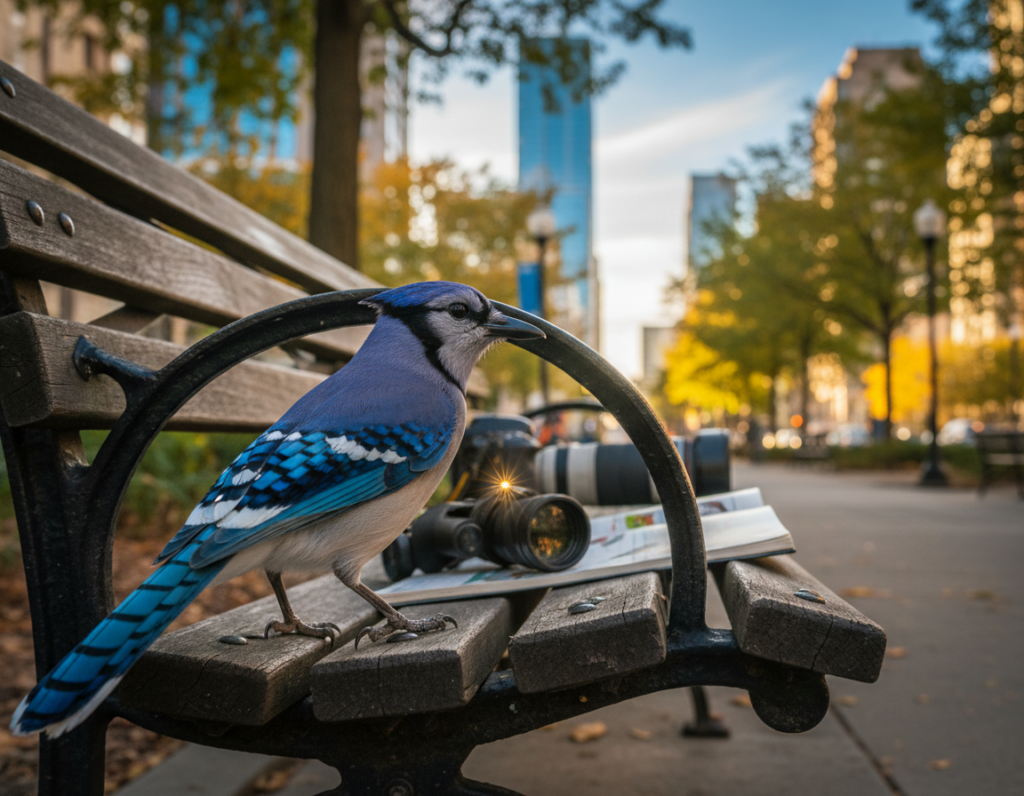
Erica Zazo spent over 100 hours in the field testing practical upgrades that help people see more birds close to home. Her findings show small changes in what a birder carries can make walks and short trips far more rewarding.
At peak spring migration, roughly 3.5 billion birds cross the United States, and even a tiny backyard can host surprising species. You do not need long travel or heavy gear to enjoy clear views and good identification.
Simple swaps — a lightweight kit, a compact pack, or a better pair of binoculars — save time and extend comfortable hours outdoors. A small, portable guide or a linked sample guide helps identify birds fast.
Practical tip: consult a curated list like the best bird watching kit to choose items designed for short field trips. With the right choices, both new and veteran birders spend more time watching and less time managing gear.
Essential Urban Birdwatching Equipment for Every Birder
A focused set of tools transforms short outings into confident identification sessions. Choosing the right optics and references makes a big difference in how many species a person sees and identifies.
Binoculars for Clarity
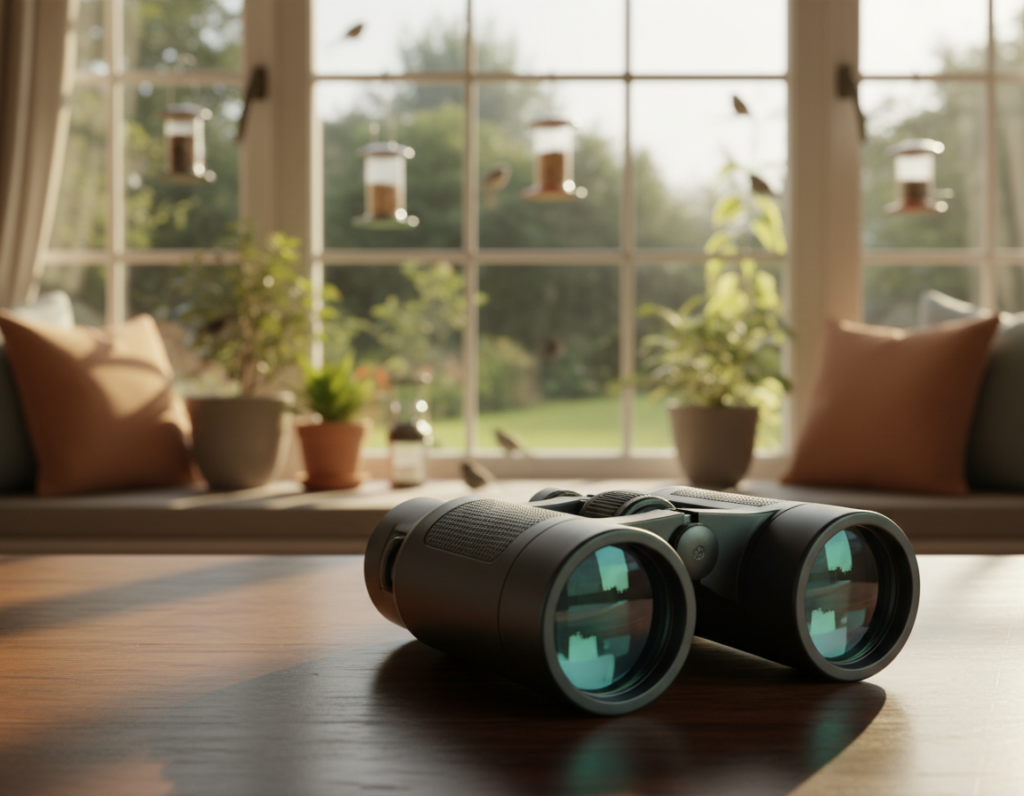
The Nocs Field Issue 8x42mm binoculars magnify ten times and pull in about 70% more light than the standard model. That boost helps with dawn and dusk views and in shaded canopies.
For a beginner, a high-quality pair of binoculars is the most essential tool. A compact zoom tube monocular works well when someone wants to keep their kit light.
Scopes for Intimate Views
Scopes give an intimate view and reveal behaviors missed with standard optics. They are ideal when a watcher wants detailed looks at a distant bird or a skulking species.
- Consult range maps to be in the right place at the right time.
- Keep a short list of birds encountered to track progress.
- Choose reliable tools so birding gear stays ready for action.
Optimizing Your Field Kit for Mobility and Comfort
Light, smart choices in a day pack let a birder stay mobile and focused during long hikes. A tidy kit reduces time digging for a phone, camera, or water bottle and keeps attention on the birds ahead.
Lightweight Backpacks and Hip Packs
Carry a lightweight pack that fits a water bottle, snacks, and an extra layer. Durable fabric shields gear from sudden weather and keeps a zoom tube and pair of binoculars protected.
Hip packs with multiple pockets let birders reach a phone or keys without opening the main bag. Use pockets thoughtfully to avoid fumbling when a species appears.
Ergonomic Harness Systems
An ergonomic binocular harness moves weight from the neck to the shoulders and back. This prevents neck strain during long hours and keeps your optics ready for quick use.
Portable Seating Solutions
The REI Flexlite Air Stool weighs just 11.5 ounces and supports up to 250 pounds. It packs small and fits easily into a daypack for use on the trail or at a quiet field spot.
- Keep your kit organized so a smartphone and camera stay within reach.
- Prioritize comfort: a proper harness and a compact stool extend comfortable observation time.
- Balance capacity and weight to enjoy longer hikes without extra strain.
Digital Tools to Enhance Your Bird Identification Skills
Modern apps and compact cameras simplify how people learn birds on the trail.
The Merlin Bird ID app stands out for live sound ID, making it invaluable for a beginner. It can identify a bird by song in real time and links sightings to a personal list.
For photos, a high-resolution camera like the Sony Alpha 7C II delivers sharp images with AI wildlife detection. That sensor and focus help capture birds hidden in foliage.
A smartphone with a telephoto lens also works well. A quick shot on a phone can confirm ID until a better photo is possible.
- The Merlin Bird ID app identifies songs and integrates with your sightings.
- Digital guides and eBird give regional range and recent records for the trail.
- Keep key tools in a dedicated pocket so the phone or guide is ready when needed.
“Modern digital tools have transformed the birding kit, making it easier than ever to learn local species.”
These tools—apps, a sharp camera, and a ready smartphone—sharpen identification and expand what a watcher learns in each short outing.
Strategic Clothing Choices for Discreet Observation
Choosing the right layers and colors makes quiet observation far more effective. Clothing should help a watcher blend into the scene and stay comfortable in changing weather.
Selecting Muted Colors and Weatherproof Layers
Muted colors reduce disturbance and help observers watch shy species without being noticed. Avoid bright white and loud patterns when possible.
Durable fabric that resists moisture is essential for winter and rainy conditions. A fully waterproof jacket like the Cotopaxi Rayu lets a person move freely while using binoculars.
The Teva Terra Fi 5 hiking sandals are light and provide good traction for warm days in the field. For cooler or wet conditions, a closed shoe is safer.
- Clothing with multiple pockets keeps a pair of binoculars or small gear handy without opening a pack.
- A well-fitted hat keeps sun out of the eyes and reduces neck strain when scanning trees.
- Choose layers that shed water and dry quickly so birders stay focused on species, not discomfort.
“Strategic clothing choices help observers stay quiet, dry, and ready when the birds appear.”
Conclusion: Building a Sustainable Birding Practice
Sustaining a birding habit begins with simple choices that keep outings joyful and achievable. Choose high-quality gear that fits the kit and pack so each visit to the backyard or trail feels easy to start.
Use digital guides like the Merlin app and a reliable field guide to sharpen identification over time. Keep a waterproof notebook and a water bottle in a handy pocket for notes and hydration.
Let binoculars and a camera serve clear purposes: quick scans and recordable photos to confirm species and track a growing list. Dress in muted colors and layer for winter or sudden weather to stay comfortable and respectful of wildlife.
With consistent time, a maintained list, and patient observation, any birder can deepen skills and enjoy more meaningful encounters with birds.