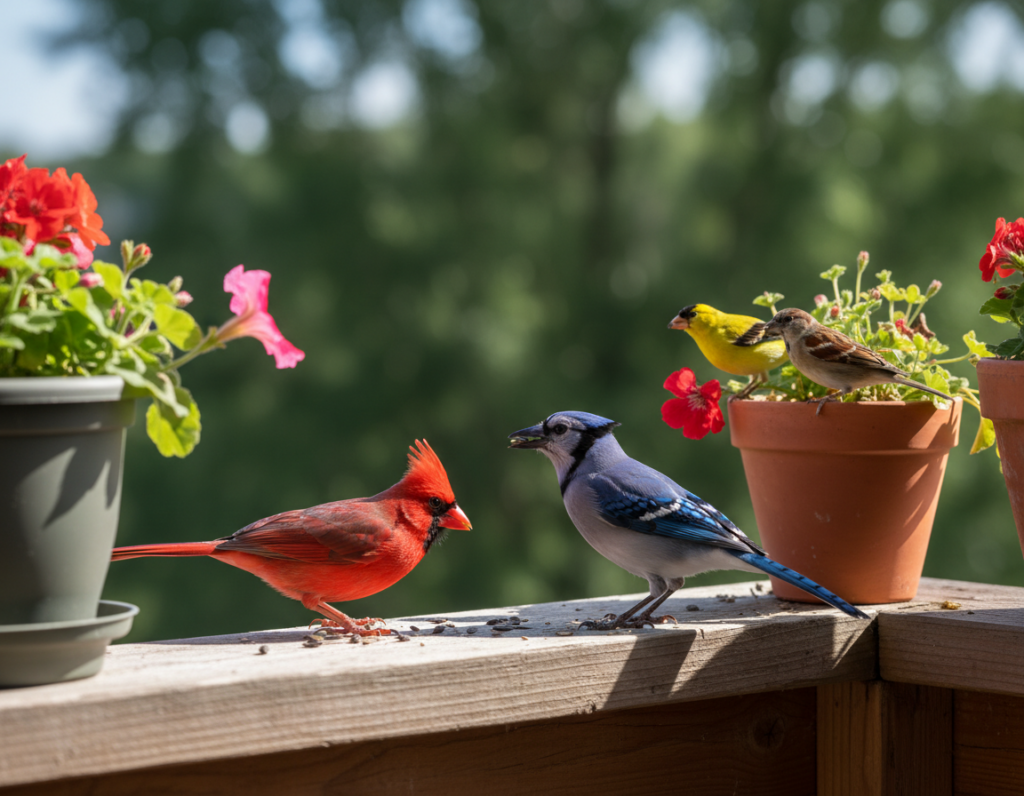
Birding is a low-cost hobby that helps people connect with the natural world in any city or park. It is a great way to learn about local birds and the species that share green spaces.
By taking a little time each day to watch, a person can notice insects, fruits, flowers, and the food sources that attract wildlife. Parks and small green patches often hide surprising bird diversity.
Keeping a simple list of sightings and carrying a pair of binoculars makes identification easier. A few steady habits help someone become more perceptive of the world around them, whether in a busy park or a quiet neighborhood.
With a positive attitude and consistent observation, birdwatching becomes rewarding at any time of day. The activity invites curiosity and offers many small rewards for anyone who cares to look.
Understanding the Urban Birding Experience
City sidewalks, parks, and backyards often host a surprising mix of songsters and scavengers that reveal how wildlife adapts to human spaces. This experience shows that birding is not limited to remote reserves; it unfolds in many urban environments.
In built-up areas, people can find a real variety of birds that live alongside traffic and towers. Observing these species offers a simple way to connect with the natural world without long trips.
Noticing local food sources, shelter, and migration stopovers helps explain why certain bird types appear in specific areas. Paying attention in neighborhoods and small green plots deepens understanding of city ecology.
- Accessible: The activity fits daily routines and short outings.
- Revealing: It highlights unexpected diversity and behavior.
- Informative: It builds awareness of how birds use urban spaces.
Even amid noise and crowds, a focused look at nearby birds makes for a meaningful connection with nature. That quiet attention transforms ordinary places into lively learning spots.
Essential Beginner Urban Birdwatching Tips
A few quiet minutes outside can reveal surprising bird activity above city streets. This section focuses on simple routines that help people notice more during a short walk or break.
Adopting an Observant Mindset
Adopt a calm, curious mind and let your eyes move slowly. Scanning trees, wires, and rooftops takes little time but yields many sightings.
David Lindo, known as The Urban Birder, advises that the best start is to open your eyes and look up. He points out you do not need costly gear to enjoy birding.
- Pause often: brief stops of one to five minutes improve focus.
- Record sightings: a simple list helps memory and progress.
- Share observations: talking with other people deepens learning.
The Importance of Looking Up
When observers look skyward they commonly spot swifts, migrating thrushes, or crows. These birds appear across many urban environments and are easy to learn.
“You do not need expensive gear to enjoy birdwatching; you just need to open your eyes.”
Spending a bit of time each day watching birds can lift mood and sharpen attention. For many, this form of birding creates a calming link to nature within the busy city.
Selecting the Right Gear for City Birding
Choosing the right optics makes time in the field more productive and enjoyable.
Binocular specifications use two numbers, for example 10×50. The first number shows magnification and the second is the objective lens diameter. A 10×50 pair gives a clear image, but people should choose the right pair based on comfort and weight.
Understanding magnification and comfort
Higher magnification brings distant birds closer but can make the view shaky. Lighter pairs trade some light-gathering for easier carrying across the city.
Features that matter in the field
Adjustable eye cups suit different eyes and help get an unrestricted view of a bird. Fast-focus ability is crucial when a species appears briefly.
- Try before buying: many guides and store reps advise testing a pair to check fit.
- Objective sizes: larger lenses allow more light, aiding ID in low light.
- Balance: choose right for weight and comfort to increase time spent observing.
Mastering the Art of Observation
Watching how a bird moves—its hop, pause, or wingbeat—gives clues that outlast a brief glimpse. Training the eyes to spot subtle motion helps an observer notice patterns that separate lookalikes.
Keeping an open mind while birding makes the observation more rewarding than a checklist. Many people find the direct experience of seeing a species in its habitat beats simply adding a name to a list.
One simple way to improve is to find a quiet place, sit still, and wait. Sitting calmly invites birds to come closer and reveals natural behaviors that aid identification.
- Focus on motion: note flight style and feeding moves.
- Fix your gaze: pick a perch or branch and watch for return visits.
- Note proportions: observe bill, tail, and posture to record key features.
With regular practice, observing becomes second nature. This steady way of looking turns quick sightings into confident IDs and a richer connection with local birds.
Identifying Birds by Shape and Size
A clear view of overall proportions—head, tail, and body—speeds identification in the field. Noting the main silhouette helps separate groups like raptors, waterfowl, and songbirds at a glance.
Analyzing Overall Body Shape
Observe posture, tail length, and body bulk. A compact, round shape often signals a sparrow-size bird, while a long neck and legs suggest a heron or similar wader.
Interpreting Wing Profiles in Flight
Use binoculars to check wing tips and shape when a bird flies by. Pointed tips, broad rounded wings, or a distinct wingbeat pattern all narrow the list of likely species.
Examining Bill Characteristics
Bill length and thickness are strong field marks. For example, the long, thick bill of a Great Blue Heron is instantly diagnostic compared to a short, conical seed-eating bill.
- Compare sizes: match an unknown to a pigeon or house sparrow.
- Count field marks: the number of eye rings, wing bars, or streaks aids ID.
- Combine clues: shape, bill, and wing together confirm a bird species.
Consciously recording a few clear features increases success. With steady practice, birding becomes faster and more reliable for recognizing local bird species.
Recognizing Bird Vocalizations
Sound often leads the eye: a hidden singer can give away its presence long before it is seen. At dawn and dusk many birds are most vocal, so these are the best times to listen for a wide variety of songs and calls.
A song is usually a longer, more complex vocal used to attract a mate. A call is short and functional, used for alarms, contact, or moving through cover. Learning those differences helps a person identify a bird even when sight is blocked by leaves or light.
During the day, different calls often appear as birds forage or defend territory. Many people who practice birding find that listening deepens the overall birdwatching experience and speeds recognition.
“Listen first, look second; sound often points to a species before it appears.”
- Practice at fixed times: try a ten-minute listening session at sunrise and sunset.
- Record and compare: note distinctive patterns and repeat them later to build memory.
- Use apps thoughtfully: playback can help learning but respect wild birds and avoid overuse.
Finding the Best Local Birding Spots
Seeking edges—where meadow meets woods—often yields the widest variety birds in a single visit. This kind of place gives access to different food and shelter in a compact area, which boosts chances of sightings.
Identifying Productive Urban Habitats
The most productive city spots mix trees, open ground, and water. Parks and small ponds supply both water and food year-round, so they attract many bird species across seasons.
Use eBird to find a nearby productive field or park. Reports show when and where species appear, helping someone choose the best time of day to visit.
Visiting early in the morning often reveals birds active at first light. Backyard feeding is a simple way to watch feeding behavior, but never feed wildlife inside national parks.
Keep a short list of sightings for each place. A regular list improves knowledge of local areas and makes future visits more rewarding for birdwatching.
Leveraging Technology for Identification
With location-aware apps, identifying a passing bird often takes only a photo or a short recording. This approach speeds learning and reduces time spent guessing in the field.
The Merlin Bird ID app, from the Cornell Lab of Ornithology, uses location to suggest likely species. Many modern guides match photos or sound and work as well as printed books.
Using the sound ID feature can increase a person’s ability to confirm a bird that is hidden out of sight. Mobile apps carry audio libraries and range maps without extra weight.
- Quick IDs: upload a photo and get candidate species fast.
- Listen and learn: sound matchers help when birds stay in cover.
- Trusted data: Cornell Lab databases connect users to a global resource.
When paired with good binoculars and a basic field guide, technology becomes a reliable way to deepen knowledge of local birds and the wider world of birding.
Developing a Consistent Birding Routine
Small, regular sessions of field time build steady progress in recognizing local species. A short plan lets observers fit birding into a busy day and notice patterns in arrival and departure.
Maintaining a Personal Life List
Keeping a life list is a popular way to track every bird species seen in the wild. A clear list shows progress over months and years and helps set simple goals.
- Record the number of each sighting and update after each visit.
- Note location and repeat visits to the same area to spot seasonal change.
- Use binoculars and a field guide to confirm uncertain IDs.
The Benefits of Field Journaling
A field journal such as the Sibley Birder’s Life List & Field Diary helps you get started with consistent notes. Write the date, time, and place for every observation.
Journaling preserves the experience and reveals a greater variety of birds over time. Reviewing entries sharpens memory and improves future identification.
“A short, steady routine turns brief sightings into long-term learning.”
Practicing Ethical Birding in Public Spaces
Observing birds responsibly in public spaces protects wildlife and improves the quality of each visit. Ethical birding keeps common behaviors intact and helps local populations thrive.
The National Park Service prohibits feeding wildlife because human food alters diets and social habits. Avoid leaving crumbs or offering seed in parks and other public areas.
When watching a bird, maintain a respectful distance from nests. Crowding nests harms chicks and raises disease risk. If a juvenile appears on the ground, leave it; parents are likely nearby.
- Bring water and wear protective clothing to protect personal health during longer outings.
- Avoid using recorded bird calls in national parks; playback can stress the birds you hope to see.
- Do not provide human food—it changes behavior and can draw predators into sensitive areas.
- Keep clear of nesting zones and high-use habitat to let birds carry out normal life.
Practicing these simple actions supports the natural world and makes birdwatching a great way to enjoy the outdoors. It also supports the mental health benefits many people gain from time in nature.
Connecting with the Local Birding Community
Joining a local group offers a direct route to meet others who enjoy watching city birds and sharing discoveries. Small gatherings turn short walks into lively learning sessions. They help people spot hidden parks and quiet corridors across the city.
Being part of a community improves mental health by adding social support and shared purpose. David Lindo is launching a worldwide club to build a conservation army and link people across the globe. Meeting others is a practical way to learn quick ID skills and discover new birding routes.
- Shared knowledge: group members trade species notes and locations.
- Guided walks: leaders reveal safe, productive city spots.
- Social gains: friendships form and support personal health.
“Birding with others opens doors to places and ideas that solo visits rarely find.”
Whether someone joins the National Audubon Society or a nearby club, community ties make the hobby more rewarding and a better way to explore city life.
Conclusion
Small changes in how someone watches speed recognition and make city birding more rewarding.
Developing simple observation habits — like looking up often and keeping a life list — helps observers identify species faster. Using compact binoculars and a trusted field guide improves confidence in the field.
Practice ethical birding by respecting habitats and following rules from groups such as the National Park Service. These actions protect birds and ensure better sightings for everyone.
Joining a local community supports learning and boosts mental health. Whether on a busy street or in a park, steady habits make the hobby rewarding and deepen a lasting connection to the natural world.