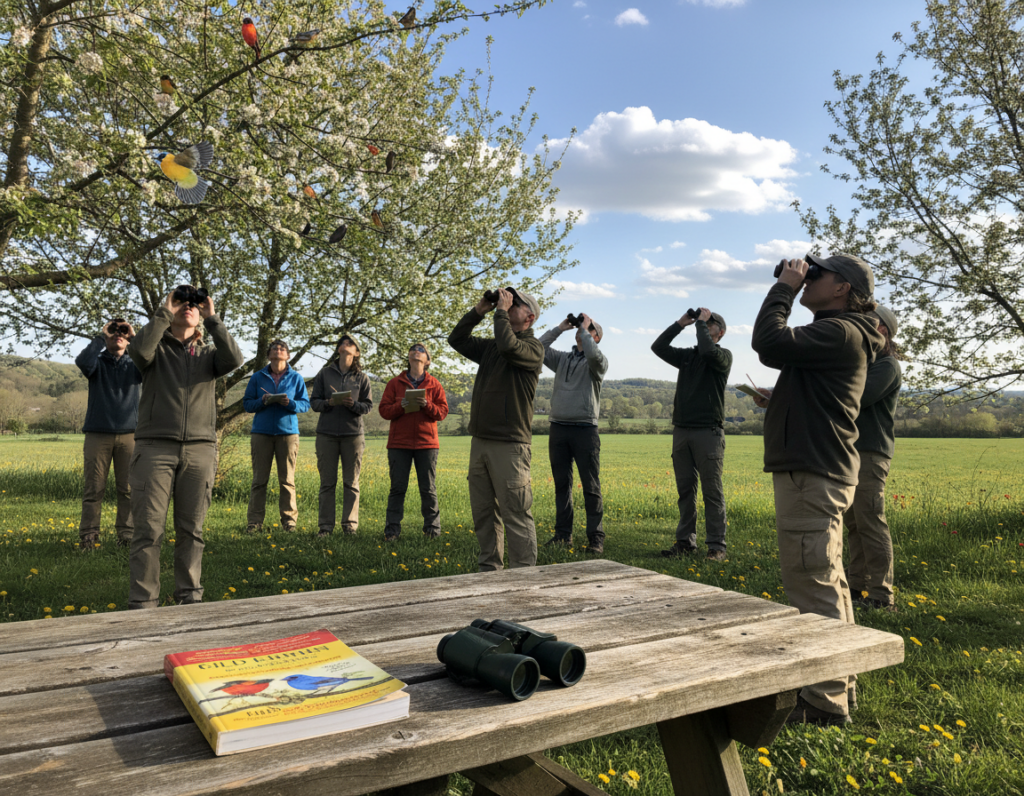
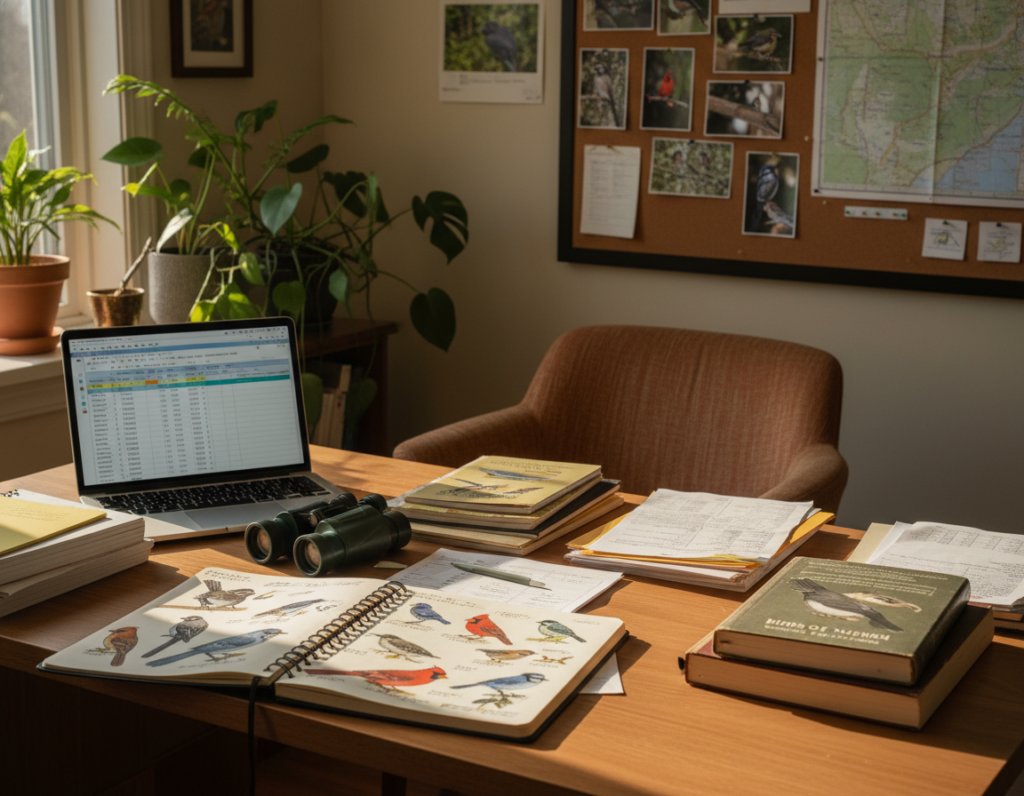
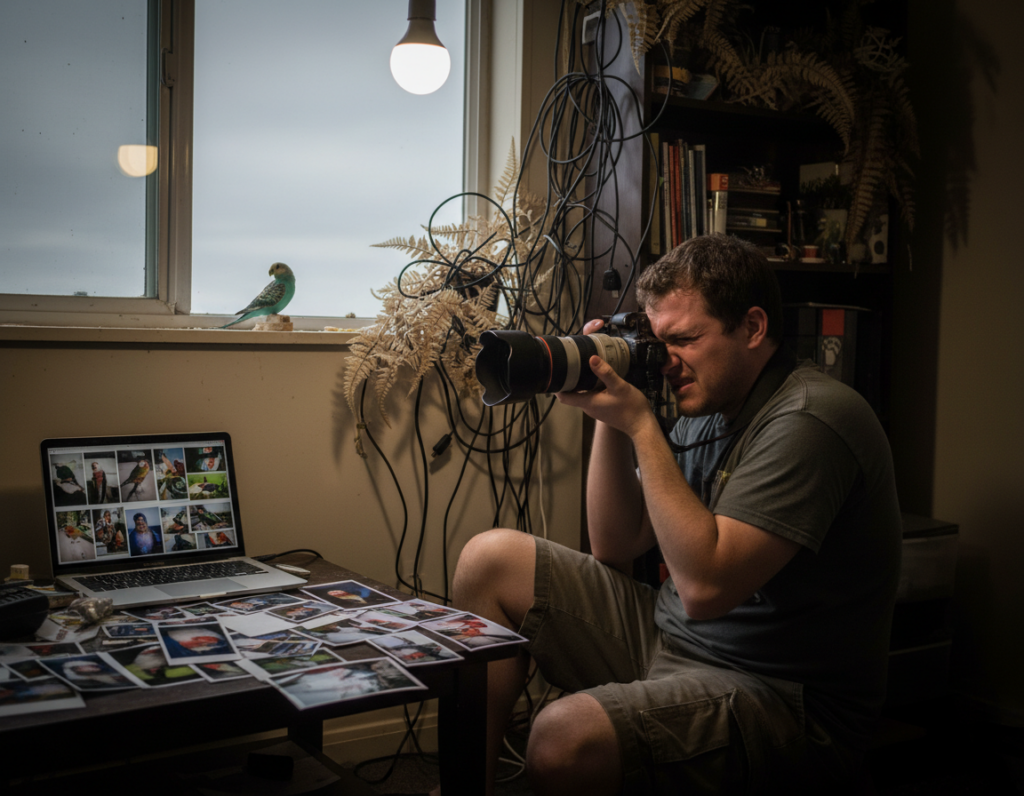
Keeping clear urban bird observation notes helps enthusiasts turn casual outings into meaningful data. They track when and where species appear, and they note behavior and habitat. This simple practice builds a bridge between personal interest and scientific work.
Recorders should list the date, exact location, and time of sightings. Adding brief context about park accessibility and conditions makes the information more useful to researchers. A quick note on weather and human activity adds valuable resources for later study.
Photos, names, and counts strengthen reports about birds and support local conservation. Mentioning community interactions and how people accessed a site can guide others seeking safe, welcoming places to enjoy nature. Small, consistent entries add up to big gains for habitat stewardship.
The Importance of Maintaining Urban Bird Observation Notes
A concise log transforms a routine walk into useful data about wildlife behavior in the city. Keeping short, regular entries helps show how birds use parks, rooftops, and street trees over time.
Field records from places like San Francisco illustrate this clearly. Ravens and starlings often use trees and vertical building structures for nesting and perching. Those reports reveal practical ways species adapt to concrete and glass.
Sharing brief entries with the local community helps more people see that the natural world is still present each day. Simple reports encourage care for green spaces and the trees that support local life.
- Track presence and movement to spot long-term shifts.
- Share findings to engage neighbors and build stewardship.
- Value small places that sustain diverse populations.
Essential Data Points for Your Field Journal
Clear, consistent entries in a field journal turn casual sightings into usable scientific records. Short, focused records make the data easier to share with scientists and provide reliable information for local projects.
Time and Location
Record the exact time and spot of each sighting. Noting the hour of the day helps researchers link activity to daily patterns.
Precise coordinates or a named place let others return to the same spaces for follow-up study.
Environmental Conditions
Describe the immediate environment and the type of vegetation or structures present. This context shows which habitats support certain species.
Include basic weather details; that information helps interpret why birds use a site on a given day.
Behavioral Observations
Note specific behaviors such as calls, feeding, or nesting. These observations give scientists clues about population health.
Short, regular entries from the community create a valuable resource for conservation and for people studying how development affects wildlife.
- Keep entries consistent to improve data quality.
- Record time and place for repeatable results.
- Note behavior and habitat to support conservation work.
Leveraging Technology for Accurate Bird Identification
Modern identification tools put reliable species matches at an observer’s fingertips. These apps shorten the time it takes to confirm a sighting and reduce guesswork.
Martha Maciel, a fellowship supervisor, recommends apps that support independent learning and quick verification in the field.
Using Digital Apps and Databases
Practical tools matter: digital platforms from the Cornell Lab of Ornithology help both amateurs and scientists identify calls and visual markers.
- The Cornell Lab database is a key resource for verifying sightings and sharing reliable information.
- Apps speed up the work of ID, letting observers spend more time enjoying nature and less time with paper guides.
- Modern tools offer new ways to learn calls, aiding documentation during a busy day.
“Using well-designed apps builds confidence and improves data quality,” said an expert in the field.
Bottom line: combining expert recommendations with trusted resources ensures data is useful to scientists and contributes to global research.
Standardizing Your Observations for Citizen Science
Following tested procedures converts scattered reports into comparable datasets. Standard methods help volunteers submit information that scientists can trust for long-term research and conservation work.
Following Established Monitoring Protocols
Programs such as the Tucson Bird Count (TBC) show how a consistent approach scales. The TBC began in 2001 to track distribution and abundance across many habitats.
In 2005 the TBC surveyed 772 sites on 72 routes, proving that large-scale work is possible when people follow a specific type of protocol.
- Model: the Tucson Bird Count provides a reproducible framework.
- Guidance: the Cornell Lab of Ornithology protocols give clear steps for data entry.
- Local effort: Smithsonian Neighborhood Nestwatch tracks nesting success through volunteer reports.
Ensuring Data Quality and Consistency
Volunteers should record the same fields each time — date, time, counts and habitat type. Consistent fields let scientists compare trends across cities and years.
Good training and simple forms reduce errors and improve the value of submitted information. Reliable data supports conservation decisions and helps direct future resources.
- Use standard forms or apps recommended by lab ornithology groups.
- Share results with local community projects to build trust and engagement.
- Follow quality checks so scientists can use the data without heavy cleanup.
Overcoming Challenges in Urban Birding Environments
When hawks nest on Ninth Street and ravens roost at City Hall, observers must adjust how they survey those places. Concrete and glass change sight lines and call patterns, so people need new approaches in the field.
Practical steps help overcome barriers. Use safe viewing spots, document timings, and note how trees and buildings serve as nesting sites. Short entries in a field journal record how species cope throughout the day.
Scientists study these adaptations to learn which spaces support wildlife. Sharing clear information about accessible spots and useful resources helps more community members enjoy local nature.
- Plan routes that respect private property and public safety.
- Use photos and short notes to confirm species on structures and trees.
- Share findings to expand access and build local stewardship.
Conclusion
Careful documentation gives researchers the context they need to study changing habitats. Consistent records help scientists spot trends and link local findings to broader work by groups like the Cornell lab ornithology programs.
Every session saves valuable time and adds clear information that supports long-term conservation planning. When volunteers collect steady data, scientists can shape sound strategies that protect nature.
Citizen efforts also feed into health and pollution studies; see a related research summary for examples of how field data inform public science.
In short, regular, focused recording is a small act with big results. It strengthens conservation and deepens appreciation for the living world outside our windows.