The roar of traffic and tall buildings can hide small wildlife from view. In busy U.S. cities, relying on vision alone often misses fleeting encounters.
Modern tools use machine learning to pull vocalizations from the urban din. The Cornell Lab developed the Merlin Bird app to help people identify species by song and calls in seconds.
These solutions let a casual birder capture short recordings and build a personal library over time. They turn a noisy street or quiet backyard into a learning space.
In short, audio recognition gives a clear edge when visibility is poor. It helps users develop skills, save data, and connect with nature in a new way.
The Challenge of Identifying Birds in Urban Landscapes
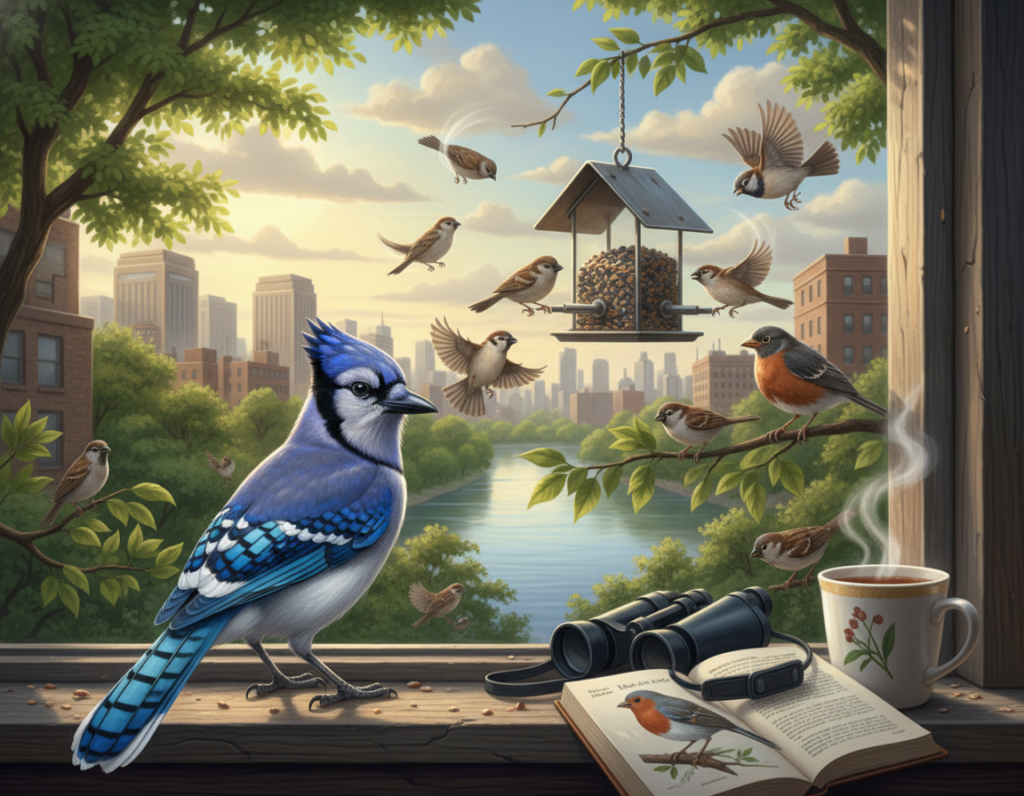
Urban structures and steady traffic frequently obscure quick sightings. Tall buildings, moving cars, and crowded trees make a clear view rare in places like New York or Chicago.
Relying only on a field guide often fails when a bird darts across concrete canyons. Novices quickly feel overwhelmed by the many birds that pass through parks and plazas.
Digital tools help, but even experienced birders use an app to log encounters and confirm species. A single glance seldom gives enough detail to name a bird confidently.
Patience and focused effort still matter in city birding, yet technology bridges the gap. Real-time assistance from a well-designed app turns fleeting moments into reliable records and helps users learn faster.
Why Audio Recognition Outperforms Visual Cues
City noise masks many fleeting encounters, making visual tracking unreliable on fast urban walks.
The limitations of sight in crowded streets
High-rise shadows and moving cars reduce usable view and make clear photos rare.
In places like Los Angeles, a brief glimpse rarely yields enough detail to name a bird with confidence.
Capturing songs amid traffic noise
An app that focuses on audio can isolate specific calls from steady background hum. The software analyzes recorded songs and matches patterns to known species using large databases.
- Speed: Audio-based ID can return results in seconds, faster than trying to snap a usable photo.
- Accuracy: Machine learning distinguishes similar calls and improves with more data.
- Evidence: Many users pair photos and recordings to create robust records for study.
“Sound carries where sight cannot; a clear recording often tells the full story.”
By prioritizing audio, observers gain a practical way to track species in active urban areas and collect useful data even when the subject is out of view.
Evaluating Top Bird Sound Identification Apps
In crowded city parks, quick encounters often arrive as brief notes rather than clear views.
The right digital tool turns those notes into useful records. This section compares leading solutions and how they support field learning and privacy.
Merlin Bird ID Features
The cornell lab ornithology maintains Merlin Bird, a widely used app with over 108,000 ratings worldwide.
- Speed: Identify species in seconds from a short recording or photo.
- Updated data: Version 3.8.4 adds regional species lists for South America, India, and Australia.
- Evidence: Recordings and photos sync to build a reliable life list at home.
The Role of Audubon in Field Skills
Using an Audubon guide helps users refine visual cues and calls. That training improves long-term skills and complements digital results.
Specialized Tools like Smart Bird ID
Smart Bird ID offers a focused, ad-free experience for observers who want to identify a bird by photo or recording. It emphasizes privacy and uninterrupted learning.
“The ability to identify a species in seconds makes these tools essential for anyone interested in nature.”
Leveraging Machine Learning for Accurate Results
Machine learning turns messy urban recordings into precise results for field observers.
The Cornell Lab of Ornithology trains models on millions of audio and visual samples. Experts curate this large data set to keep results reliable across regions and seasons.
Advanced algorithms can separate overlapping calls and songs. They compare a recording or photo to a global database to propose the best species match.
These tools improve as more users add recordings and photos. That growth lets the software filter noise and focus on the target, whether in a forest or a busy city view.
- Robust data: Expert-curated training files raise accuracy.
- Real-time results: The app returns likely matches in seconds.
- Research impact: Aggregated data helps scientists monitor birds across the world.
“With quality data and smart models, fielders get faster, more trustworthy matches.”
Enhancing Your Daily Mindfulness Routine
A short pause each day to notice nearby wildlife can reset focus and ease stress. This practice fits into short breaks at work or quiet moments at home.
Connecting with Nature in High-Stress Environments
Taking time to observe birds during a commute or lunch break offers a clear, repeatable ritual. It creates a calm ritual that takes little time but yields steady benefits.
Using a simple app to log a sighting can turn a short walk into a mindful routine. Many birders find that this small act helps them disconnect from professional pressure.
- Short practice: Two to five minutes of focused attention can lower anxiety.
- Easy to fit in: A quick view from a window or a walk around the block works.
- Habit-forming: Regular checks build a stable mental break across the day.
“Noticing small details makes the world feel more manageable and less rushed.”
For those who want a guided approach, see a personal account of how a digital tool helped turn recognition into a daily mindfulness practice at mindfulness practice.
Overcoming Common Technical Hurdles
Technical glitches can turn a promising backyard recording into a frustrating dead end. Crashes, failed saves, or frozen interfaces happen. Most developers release fixes quickly, so keeping the app current reduces many issues.
Before heading out, download offline data for the guide. This ensures the tool works in remote parks or subway-lined corridors without cell service.
Check privacy settings regularly. Users should confirm that location and account data are shared only with trusted services. Privacy controls protect both the user and shared recordings.
- Capture quality: If the app fails to identify a bird, try a clearer photo or a longer recording.
- Keep current: A specific version often performs better; install updates during downtime.
- Practice the interface: Familiarity with features saves precious time during quick encounters.
“Learning basic troubleshooting keeps outings productive and enjoyable.”
Minimize background noise when possible and test the smart bird tool before long trips. Small prep steps protect your data and boost successful identifications in the field.
Community Contributions and Citizen Science
Community reporting transforms single observations into a global picture of movement and change.
The Cornell Lab of Ornithology manages eBird, the world’s largest database for sightings and recordings. When local users submit a sighting, they add verified data that researchers use to map species trends.
Sharing Sightings with Global Databases
Submitting a photo or short recording from your home or local area helps create a clearer view of migration and presence across regions.
eBird aggregates millions of entries each year, letting scientists track changes by area and season.
Improving App Accuracy Through User Data
Every recording and validated checklist improves machine learning models in popular apps like Merlin Bird and Smart Bird.
Contributors make the tools smarter: more data leads to better matches in seconds and more reliable content for future users.
“Citizen science turns casual observations into lasting research.”
- Privacy: Users choose how much location data to share.
- Impact: Local entries feed global studies and conservation work.
- Access: Viewing others’ sightings creates a shared learning experience for new and veteran birders alike.
Conclusion
In dense city settings, a clear call can tell more than a fleeting view ever will. Modern tools let users capture a short clip and get a fast result, even when visibility is poor.
By combining machine learning and citizen science, platforms like Merlin and eBird keep improving. That progress helps people confirm a bird in seconds and build useful records for research.
These digital resources also serve personal goals. They support mindfulness and create simple ways to connect with urban nature. As technology advances, identifying birds will become easier and more reliable for everyone.