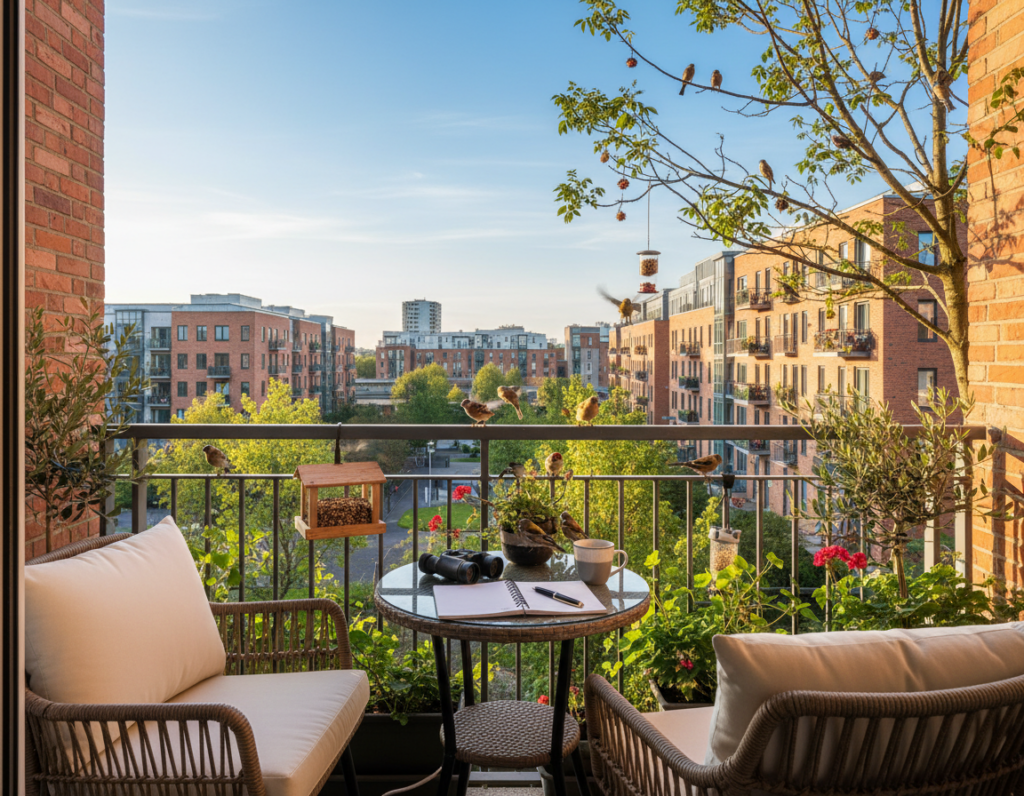
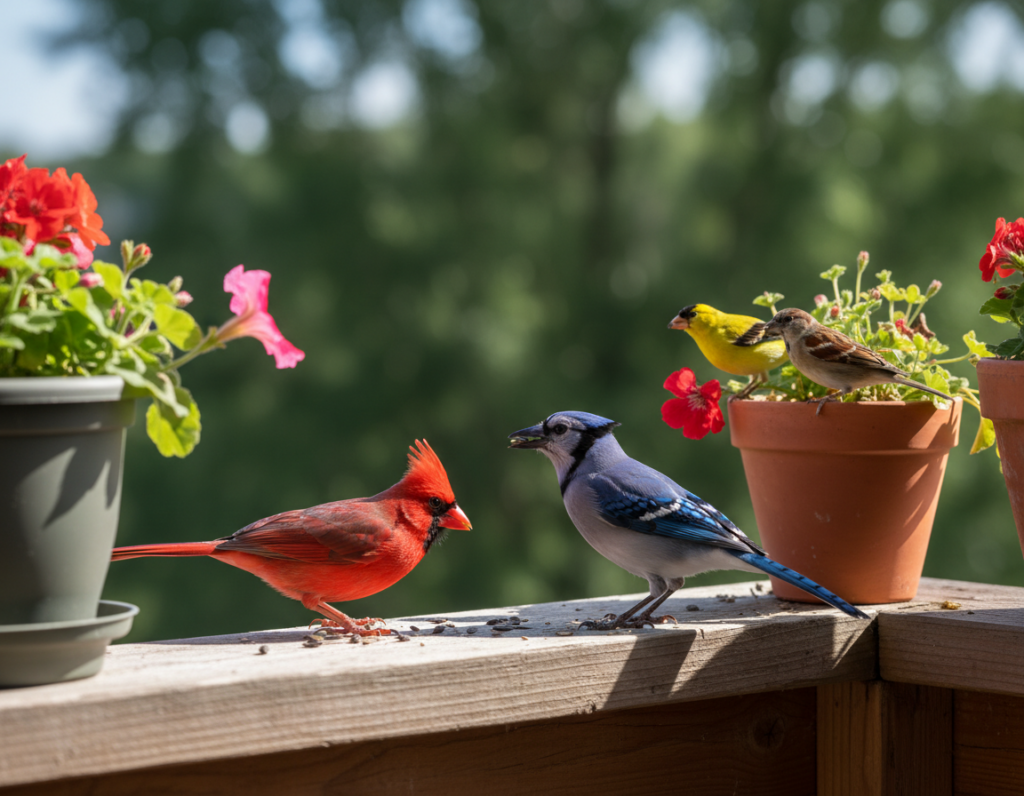
, Urban residents often assume wildlife stays near ground level. Yet many species adapt to life above streets when the right conditions exist.
The sight of a Summer Tanager on an apartment balcony in Maryland shows how rare visitors will come when habitat meets need. Providing water and seed creates a micro-habitat that helps wildlife feel secure even in dense areas.
Setting out a small feeder and a few plants is the first step to attract birds and build a steady view from your window. Placing feeders near glass and adding a water dish reduces collision risk and limits disturbance to neighbors.
Learning how these animals use vertical space is a compelling birding pursuit. It connects city dwellers to nature and offers steady rewards over time.
Understanding Building Rules and Safety Regulations
Checking building rules comes first for any resident who plans to add feeders or a small habitat on a balcony or near windows. Management offices and condo associations may have clear policies about mess, safety, and liability.
Emily Voigt’s study from a 25th-floor apartment above Greenwich Village showed how feeders can change bird behavior in the city. Similarly, Lynn P. in Toronto has hosted finches from her 21st-floor balcony for 20 years without incident.
Some buildings ban feeders because of droppings or seed scatter. Tenants should read leases and speak with property managers before installing any post or water dish.
Practical steps include confirming written permission, choosing no-mess feeders, and placing food where it won’t obstruct shared space. Proper feeding limits conflicts and keeps birding a good neighborly hobby year-round.
- Confirm building rules and rental clauses.
- Use low-mess feeders and keep water fresh.
- Adapt to local regulations to protect habitat and view for everyone.
Essential Gear for Birds Visiting High-Rise Balconies
Smart gear choices let residents create a safe feeding spot even when outdoor space is limited. A thoughtful setup balances building rules, wind, and seasonal needs to protect feathered visitors and preserve the view.
Suction cup feeders
Suction cup feeders attach directly to a window and keep the feeder away from shared railings. Placing a feeder within three feet of the window reduces collision risk and creates a safer habitat for feeding. These units work well under strict building rules because they avoid drill holes or permanent mounts.
Railing-mounted platforms give birds a stable place to perch. Tenants should verify their lease before installing and choose designs that do not damage the building structure. Consider wind exposure and the time of year when selecting materials.
- Start with a low-mess feeder and fresh water.
- Position feeders near windows to limit flight distance and collisions.
- Adjust setup to match local habitat, attracting finches and hummingbirds in many urban areas.
Selecting the Right Feeders and Food
Choosing no-waste seed varieties is the best way to keep a balcony clean and respect building rules. Residents should prioritize options that leave little hull or chaff.
Hulled sunflower and other no-waste seeds reduce debris and protect neighbors below. These choices also limit the need for frequent sweeping and lower the chance of attracting pests.
A durable, easy-to-clean feeder keeps seed fresh and healthy for visiting birds. The right feeder design prevents mold and makes maintenance simple.
- Select no-waste food such as hulled sunflower to cut down on mess.
- Pick a feeder that is easy to clean and has a tray or net to catch spills.
- Monitor cleanliness regularly to prevent disease and keep the habitat safe.
Proper setup balances feeding with respect for windows, glass safety, and neighbors. With the right seeds and feeders, birding from a compact urban space can be rewarding and tidy.
Creating a Welcoming Habitat with Plants
A compact planter group can turn a narrow apartment railing into a lively micro-garden that attracts local wildlife. Small planted areas give food, cover, and resting spots that help birds feel safer when they choose a city perch.
Container Gardening Basics
Container Gardening Basics
Julie Zickefoose recommends container gardening as an ideal way to add habitat on any floor of a building. Choose native plants for seed, nectar, and shelter.
Use a mix of heights: low herbs, mid-size shrubs, and a taller screen plant. Group containers to boost the garden effect and conserve space.
Using Hanging Baskets
Using Hanging Baskets
Hanging planters expand usable area and create layered cover near windows and feeders. Planters with trailing flowers and native vines provide perches and food without taking floor space.
Adding Water Features
Adding Water Features
A small tabletop fountain or shallow dish supplies drinking water and bathing opportunities. Keep water fresh and replace it daily in warm weather to protect health.
- Pick native plants to support local birding and food chains.
- Group containers for a stronger habitat presence on the balcony.
- Add a small water source and maintain it regularly.
“Container gardening can improve any high-rise apartment balcony.”
Preventing Window Collisions and Maintaining Cleanliness
Clear glass is deceptively dangerous; adding markers or films saves lives without altering the view.
With roughly one billion birds killed by window collisions in the U.S. each year, making glass visible is essential. Homeholders should install window treatments, decals, or external screens to break up reflections and guide flight paths.
Keeping a clean feeding area helps health and neighbor relations. Use hulled sunflower or sunflower seeds to cut waste and clean spilled seeds promptly.
- Check windows near feeders and planters and add visible markers.
- Keep feeders and water fresh; clean trays weekly to prevent disease.
- Remove clutter and old pots so visiting finches and other bird species feel safe.
Act quickly if a strike occurs: move the feeder away from the glass, add treatments, and monitor the area. Small changes protect urban wildlife and keep the balcony tidy for neighbors and the building community.
Conclusion
, An apartment can become a small but meaningful habitat with intent and care.
Simple steps — adding water, native plants, and a reliable feeder — help make a window ledge or balcony welcome. These actions let birds learn safe routes and return regularly.
Choose tidy feeders and no-waste seed to limit mess and protect health. Keep water fresh and monitor the area to reduce risk from glass.
Follow building rules and add window treatments to prevent collisions. With patience, good choices, and respect for neighbors, city birding rewards residents with steady nature moments from home.