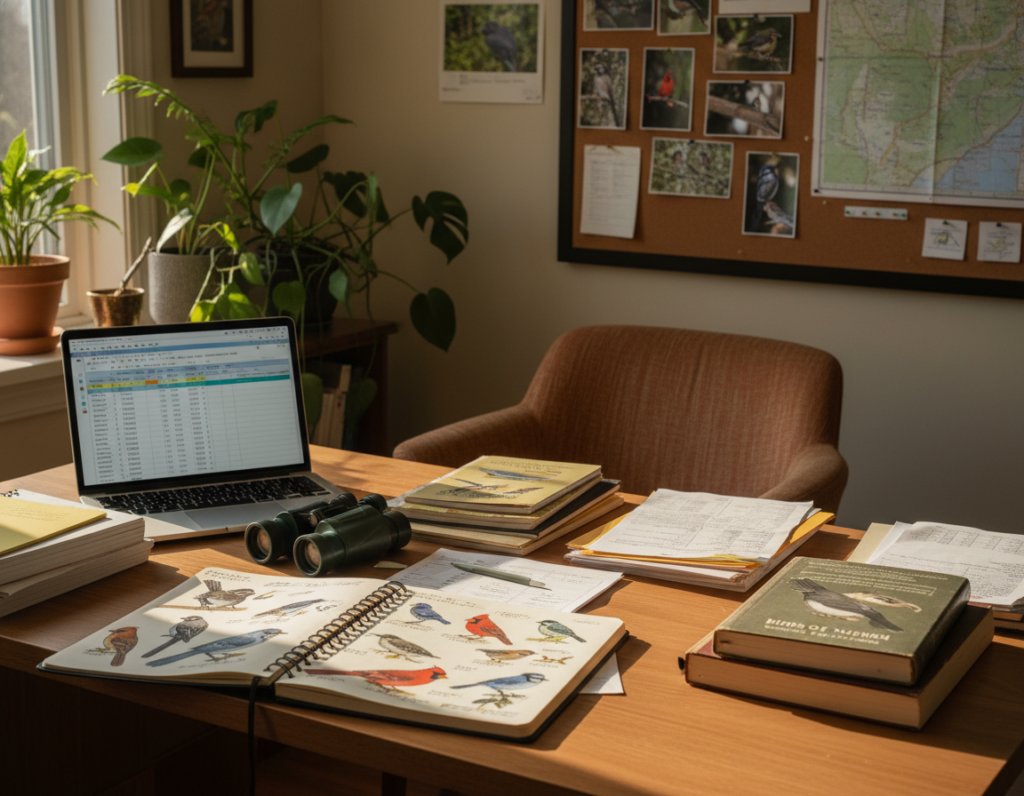
Consistent observation helps a person learn how local birds change through the year. They spend a little time each week watching and note which species appear and when. This steady approach builds practical knowledge quickly.
Using a reliable guide makes identification easier and more rewarding. A good field guide and quality binoculars reveal markings that separate similar species. For example, the downy woodpecker is a common species often seen in Lake Clark National Park and Preserve.
Short, regular sessions let observers spot patterns in behavior and movement. Over time, those patterns inform where and when to look. This steady method improves sighting success and deepens connection to local nature.
Understanding the Appeal of Birding
Birding becomes a steady way to slow down and notice the natural world. It invites people to observe and learn without hurry.
Watching birds offers a satisfying mix of calm and curiosity. Observers see feeding habits, calls, and interactions that reveal how species survive and thrive in local nature.
” A downy woodpecker clings to a tree in Lake Clark National Park and Preserve as documented by NPS / J. Mills.”
- Accessible hobby: Birding suits all ages and skill levels.
- Mindful escape: The activity helps reduce stress and sharpen attention.
- Daily lessons: Observing birds reveals small things about feeding and social life.
- Community: Birders share sightings and tips, building connections.
- Deeper appreciation: Identifying species leads to respect for local ecosystems.
Essential Gear for Seasonal Bird Tracking for Beginners
Choosing the right optics and tools speeds learning and improves every observation session. A clear setup helps observers focus on behavior and identification rather than struggling with poor gear.
Optical Equipment
A quality pair binoculars is the most important purchase. Models like a 10×50 give strong magnification and a large objective lens for clearer views at distance.
Consider an 8x or 10x lens for balance between stability and detail. A lightweight, waterproof pair holds up well in winter conditions and heavy use.
Recording Tools
Carry a reliable field guide and a phone with apps to confirm sightings on the spot. Simple notes, voice memos, or a small notebook make tracking patterns an easy habit.
- Tip: Match magnification to comfort — high power can shake, while lower power offers steadiness.
- Tip: Protect lenses with caps and keep a light cleaning cloth handy.
- Tip: Early investment in gear improves this hobby and reveals more of the natural world.
Selecting the Right Field Guide
The right reference book or app can cut minutes of doubt into seconds of recognition. A compact field guide that matches current skills helps a person identify birds with less frustration.
Decide whether a physical book or digital apps suit the outing. Printed guides work well in low power situations. Apps add quick searches, photos, and sound clips.
Many guides sort entries by size or color so the observer narrows options fast. This method makes spotting species simpler when the view is brief.
- Learn the layout: Spend a bit of time with the guide before heading out.
- Match to skills: Choose a field guide that fits current skills, then upgrade as skills improve.
- Trust the facts: Reliable information in the guide and apps is the cornerstone of steady progress.
Tip: As users gain confidence, they often add a larger field guide covering more species and deeper detail.
Mastering Binocular Techniques
Good binocular technique turns brief glances into clear, lasting sightings. Proper use helps observers pick out plumage, behavior, and subtle markings on birds.
Understanding magnification matters. A 10×50 binocular gives 10-times magnification and uses a 50mm objective lens to gather more light. That combination improves views at dawn, dusk, or under tree cover.
Practical tips
- Bring the binoculars up to the eye quickly to avoid losing sight of the bird in the field.
- The objective lens size directly affects how much light enters the optics; larger lenses help in low light.
- A well-adjusted pair will sit comfortably and stay stable, so the observer can watch for longer without fatigue.
- Practice steadying the hands and aligning the eye to the eyecups to build quick muscle memory.
Consistent practice with your binoculars makes locating targets faster and more reliable. Over time, this skill helps any observer become more confident during short, rewarding outings.
The Role of Photography in Bird Identification
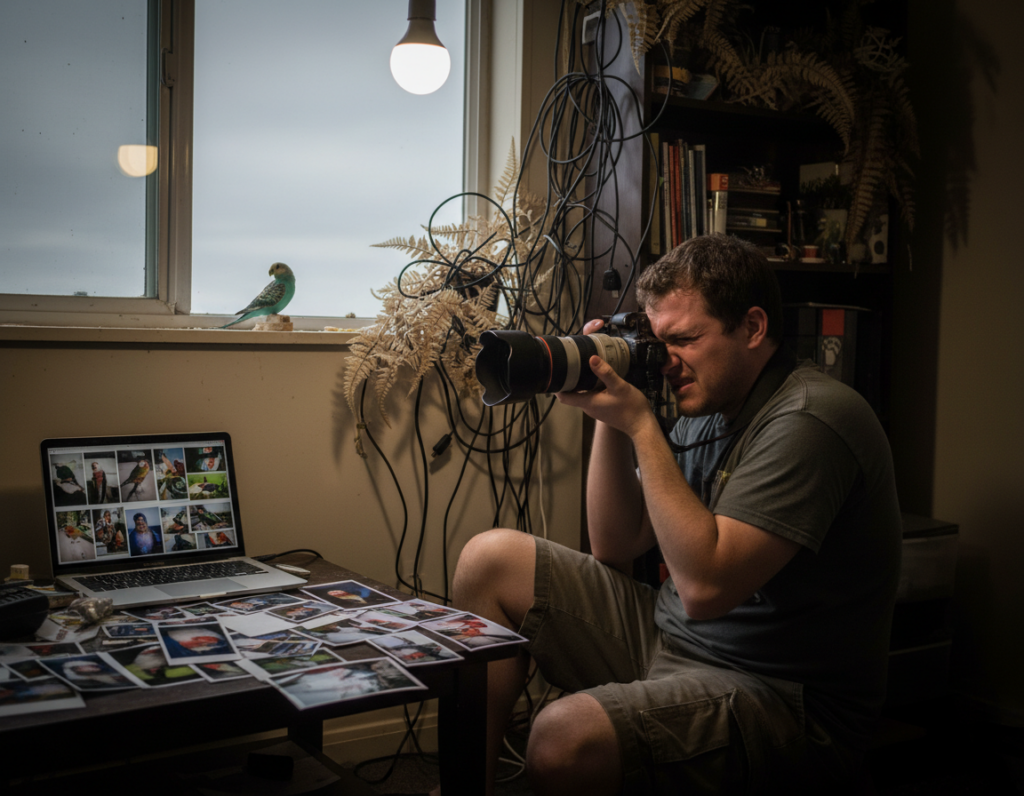
A single clear photograph can reveal small field marks missed during a quick glance. High-resolution images let observers study wing bars, bill shape, and subtle plumage after the moment has passed.
Using a camera with a strong zoom lens complements binoculars by reaching birds that are too distant to examine closely. Popular entry-level models like the Nikon P900, Sony HX400V, and Panasonic Lumix FZ80 offer long zoom ranges and easy controls.
Digital files also build a lasting record. Many people keep photos to confirm identifications, track local changes, and share sightings with other birding enthusiasts. A sharp image often settles doubts that a brief view cannot.
- Tip: Aim for steady shots and keep focal points on the head and wings.
- Tip: Use a telephoto lens when possible to preserve detail at distance.
- Tip: Archive images with date and location to strengthen your observation logs.
Developing Your Birding Life List
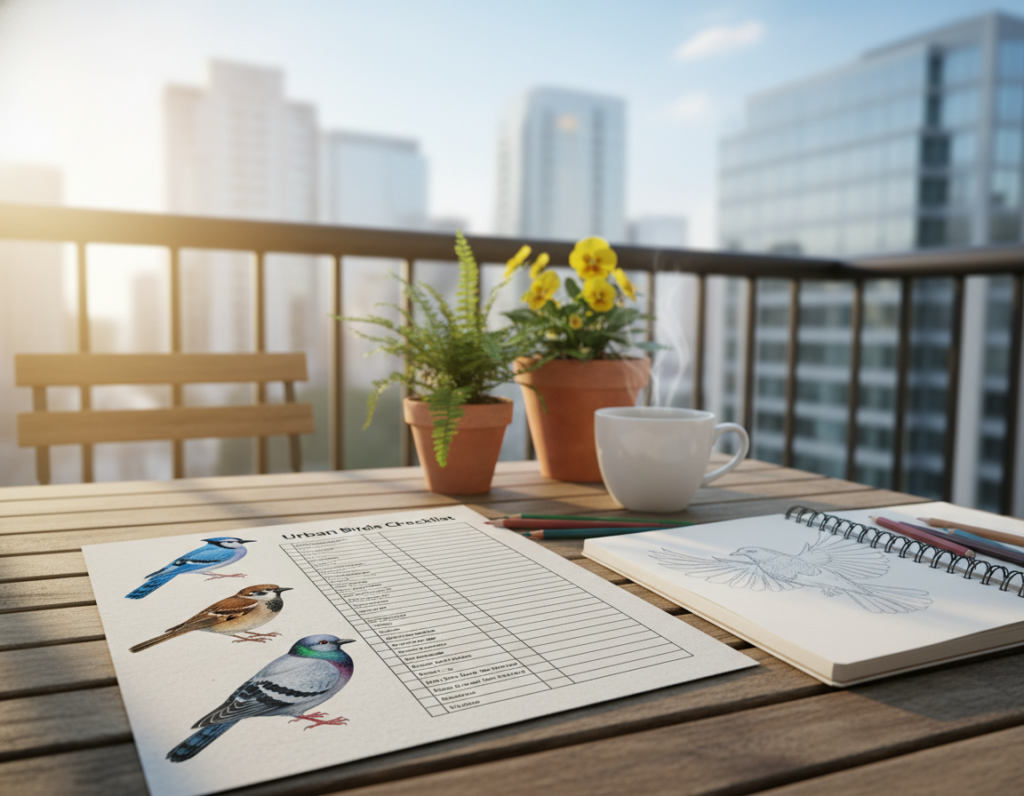
Logging each sighting creates a timeline of discoveries that motivates continued exploration.
Keeping a life list is a rewarding way for birders to record every species they have seen. It acts as a personal archive of the places visited and memories made.
Many use digital apps to record date, time, and location. Apps make it simple to save sightings from a national park or a neighborhood walk.
A life list also helps observers recall specific birds and the context of each sighting. This kind of record invites new goals and more varied outings.
- Notebook or phone: Choose the method that fits your routine.
- Share and compare: Exchanging lists with other birders builds community and spreads useful information.
- Use tools: Simple notes, photos, or a quick binoculars sketch deepen the entry.
In short, a life list turns casual moments into measurable progress and sparks a lasting interest in local birds.
Recognizing Seasonal Bird Activity Patterns
Patterns of movement and food availability shape when and where species appear each year. Paying attention to these cycles helps an observer predict what to expect on any given day. A simple log or guide speeds learning and builds confidence over the year.
Spring and Fall Migrations
During spring and fall many species travel long distances. They often move at night to avoid predators and to take advantage of stable weather and cooler temperatures. Knowing typical migration times helps birding trips yield better sightings.
Winter Visitors
Winter visitors arrive to find reliable food and shelter. Observers should watch feeder areas, wetlands, and fruiting trees. Using binoculars and a concise field guide makes identifying these winter arrivals faster.
Summer Residents
Summer residents return to breed and raise young. Their behavior changes by day: singing males, territorial displays, and nesting activity are common. Tracking these patterns by habitat teaches where each species concentrates its efforts.
- Tip: Keep a dated log to anticipate when certain species will appear.
- Tip: Note habitats and weather; these factors influence movements and sightings.
Identifying Birds by Sight and Sound
Sight and sound together form the fastest route to reliable identification. Learning to match a call with a quick visual mark speeds recognition. A clear view often confirms a call heard from the treeline.
Use a trusted field guide to compare plumage, shape, and song. Many guides include short descriptions of common calls. That helps an observer link audio notes to the right species.
A good pair of binoculars delivers the detail needed to see wing bars, bills, and color patterns. A steady set of binoculars makes brief sightings count.
Practice listening daily. Focus on the common calls in local parks and yards. Over time, those sounds cue where to look and what to expect.
“Correctly naming a species heard but not seen feels like solving a small, satisfying puzzle.”
- Train the ear: Repeat short listening sessions to learn local songs.
- Match visuals: Use photos in the guide to confirm overnight memories.
- Be patient: Developing these identification skills takes time but rewards persistence.
Finding the Best Local Birding Spots
Good birding spots often sit where habitats meet. Edges between forest and field or shores near water attract many birds. They concentrate food, shelter, and transit routes in one place.
Your own backyard can be a great place to start. Adding a small feeder and a shallow water dish invites more species to visit. Even a bit of native planting helps provide shelter.
Use a local map or online resources to locate parks and nature preserves. Spend time exploring a few nearby places to see which offer the best sightings. During winter, prioritize open water sites that hold waterfowl when other areas freeze.
Practical tips:
- Check edges of fields and woodlots; they often host the most variety.
- Note spots that offer food, water, and cover—those are reliable year-round.
- Carry binoculars and a simple map to learn new locations efficiently.
Optimizing Your Time of Day
Choosing the right times to go out can multiply sightings without adding extra hours. Early morning often shows the most active birds as they feed and call. Late evening can offer a second surge just before night falls.
The dawn chorus is a prime opportunity to both hear and see many species. Observers should bring a steady pair of binoculars and keep their eye trained on movement. Low light can make quick shots difficult, so steady hands and a practiced focus help.
Some creatures remain mainly active at night. Owls and other nocturnal species need different tactics, such as quiet listening and slow scanning near known roosts. Using short, repeated visits at peak times yields better results than longer midday outings.
Plan trips around dawn and dusk across the year to see the widest variety of birds. For practical routines and tips on improving observation habits, consult this guide with eight suggestions to improve your routine.
Creating a Bird-Friendly Backyard
A well-planned backyard can turn a small patch of lawn into a daily hub for local birds. Small, consistent changes invite many birds to visit the home and make observation easy.
Provide reliable food such as black oil sunflower seeds and mixed seed blends. A steady supply encourages repeat visits and helps observers learn which species prefer which seeds.
Offer fresh water in a shallow dish or small fountain. Water keeps visitors hydrated and clean, and it matters most during winter when natural sources freeze.
Add native shrubs and a brush pile to supply shelter. Practicing identification with binoculars in a home setting lets people notice behavior and seasonal habits without travelling far.
- Place feeders near cover but with a clear view.
- Rotate food types to support a wider range of species.
- Keep water clean and unfrozen in cold months.
- Record visits; a bit of patience rewards steady birding at home.
Navigating Different Habitats
Exploring forests, wetlands, and open fields at different times of day exposes a wider range of species and behaviors.
Each habitat concentrates different food and shelter. That means observers find certain birds in one place and different birds in another.
They should move between habitats through the year to note shifts in presence and behavior. Visiting varied places builds a fuller picture of local life.
Use binoculars to scan layers from ground cover to treetops. Many species hide in shrubs or sit high where a quick sweep reveals them.
Each habitat has distinct challenges and rewards. Wetlands often hide waterfowl and secretive species, while open fields show raptors and ground feeders.
“Learning habitat cues — food, cover, and movement — makes locating targets faster and more reliable.”
- Learn where birds gather at different times.
- Focus on edges where habitats meet; they host high variety.
- Note specific needs of each bird to predict where it will be.
Practicing Responsible Birding Ethics
Responsible field conduct protects birds and preserves the habitats they rely on. Observers should place the welfare of wildlife above the desire to get a close look.
Always keep a respectful distance, especially around nests and young. Quiet movement and low voices reduce stress and prevent abandonment or aggression.
Using binoculars lets people observe detail without intrusion. A good pair of optics is the simplest, most effective tool to watch birds safely.
Avoid playback calls and other disruptive techniques in sensitive areas. These actions can interrupt feeding, mating, and migration rhythms and harm local nature.
“Place the well-being of the animals first; that is the best way to ensure they remain in their natural habitat.”
Follow local rules and leave no trace. By practicing clear, respectful ethics, each observer supports conservation and keeps sites open to others who enjoy birding the same way.
- Keep distance: Do not approach nests.
- Use optics: View with binoculars, not hands-on.
- Respect rules: Stay on trails and minimize impact.
Staying Safe During Outdoor Excursions
Safety starts with a clear plan before leaving the trailhead. They should pack a small checklist that includes a physical map, extra food, and at least one liter of water for a half-day outing.
The 3-3-3 rule matters: three minutes of breathable air, three hours of shelter in harsh conditions, and three days of food and water in a true emergency. Carrying items that meet those needs is a simple way to prepare for bad weather or unexpected delays.
In winter, proper clothing and layered insulation reduce risk of hypothermia. They should also share their route and expected return time with someone at home before heading into remote areas.
Keep an eye on surroundings and use binoculars carefully—stop walking before raising optics to avoid trips. Good footwear, a whistle, and a small first-aid kit make the hobby safer and more enjoyable.
“Preparation is the simplest way to make any day in the field safer and more productive.”
- Carry a paper map and know basic navigation.
- Pack extra food and water, following the 3-3-3 guideline.
- Check weather forecasts and dress in layers.
- Tell someone your plan and expected return time.
- Pause to look through optics so you keep your balance and view the birds safely.
Managing Power and Technology in the Field
Long days in the field demand a clear plan for power and device care. Modern birding relies on phones and cameras to confirm IDs, log sightings, and stay safe.
A high-capacity power bank such as the EcoFlow RAPID Power Bank (25,000mAh) keeps devices charged when observers are far from home. Cold weather shortens battery life, so keeping the power source warm helps maintain peak performance.
Technology speeds identification through photos taken with a camera lens and quick access to apps. Before leaving home, they should double-check chargers, cables, and spare batteries to make sure they have enough power for the entire outing.
- Pack a power bank: choose one rated for multiple charges.
- Protect batteries: keep spares near the body in cold weather.
- Plan charging time: top off devices during breaks to avoid dead batteries at critical moments.
By managing power and tech well, observers can spend more time watching birds, using binoculars and cameras without interruption. For a practical look at field gadgets in action, read this piece on peak birding season — the tech I.
Conclusion
Simple routines—like a ten-minute walk each morning—turn casual looks into reliable recognition. Using a guide and a steady pair binoculars speeds learning and makes many sightings clearer.
Whether at a backyard feeder or in a nearby park, regular observation connects people to nature all year. Practice ethical birding, stay safe, and use a trusted field guide or apps to confirm impressions.
This hobby rewards small steps. Over time, the skills learned today shape a richer life of discovery and open new places and locations to explore.